
- Studbooks serve as vital resources for managing animal populations in zoos.
- The AZA Population Management Center plays a crucial role in developing Species Survival Plan (SSP) programs through studbook data.
- Real-life examples of successful SSP-matched animal pairs highlight conservation efforts at Lincoln Park Zoo.
- Studbooks aid in making informed breeding recommendations to create sustainable animal populations.
- The importance of genetic diversity in animal populations is emphasized through studbook analysis.
Studbooks are databases that contain comprehensive records of the lineage and history of animals in human care. These tools are essential for zoos and aquariums, particularly those accredited by the Association of Zoos and Aquariums (AZA). Each studbook meticulously captures details such as birth dates, parentage, genetics, health information, and breeding histories. This data is analyzed to guide breeding decisions and manage healthy populations. Studbooks do not function like dating apps; they are integral to a precise scientific approach aimed at conserving species.
At the forefront of studbook management is the AZA Population Management Center, located at Lincoln Park Zoo. This center is central to developing nearly 300 Species Survival Plan (SSP) programs. Each SSP aims to ensure the long-term survival of selected species in human care through carefully coordinated breeding programs and population management strategies. These plans address population genetics, behavioral considerations, and habitat requirements, all essential for developing sustainable animal communities.
Understanding the significance of studbooks requires familiarity with the dynamics of wildlife populations. Many species are compromised due to habitat loss, poaching, and climate change. Zoos often participate in breeding programs to counteract these issues. The studbooks enable zoos to make informed decisions about breeding that can improve genetic diversity, which is crucial for the resilience of animal populations.
Genetic diversity provides a buffer against diseases, environmental changes, and reduced fertility. Closed breeding populations, which are often the case in zoos, can suffer from inbreeding. This can lead to a range of problems, including reduced immune function and reproductive success. By analyzing studbook data, zoos can identify genetic relationships between individuals, allowing for breeding recommendations that maximize genetic variety. This analytical approach is critical for maintaining healthy, viable populations in human care.
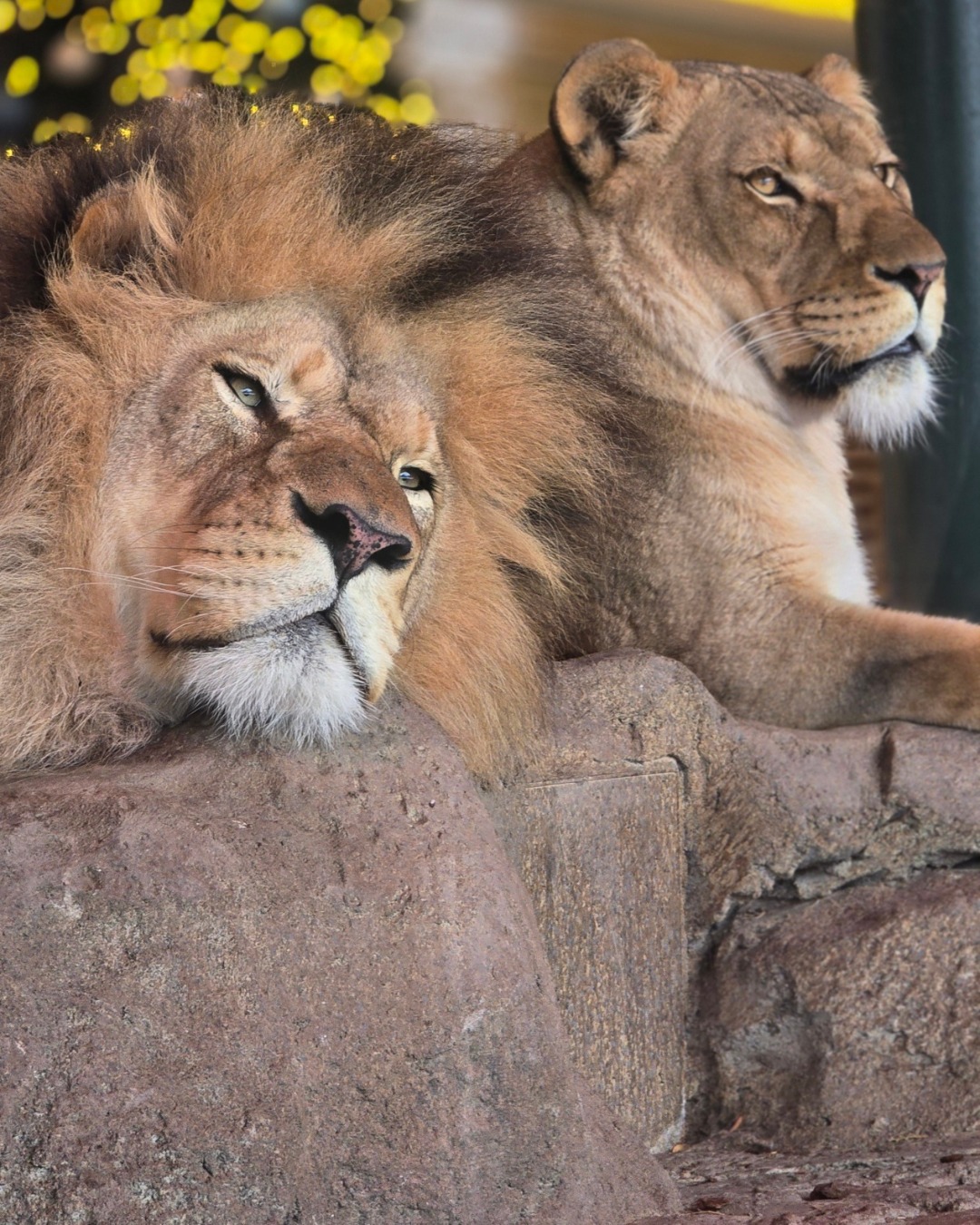
Real-life applications of studbooks are exemplified through successful breeding pairs at Lincoln Park Zoo. Consider the partnership of Jabari and Zari, a pair of African lions. These two lions were carefully selected through studbook analysis to maximize their genetic contributions to the population. Their successful breeding resulted in healthy cubs, contributing to the overall goals of the SSP for African lions. Such pairings are not arbitrary; they are based on profound research and data interpretation.
Another notable example is Utenzi and Kapuki, a pair of eastern black rhinoceroses. As a critically endangered species, the eastern black rhinoceros faces numerous threats in the wild. By utilizing studbooks, Lincoln Park Zoo identified these two individuals as suitable mates based on their lineage and population dynamics. Their successful pairing aims to bolster the population of a species on the brink of extinction, showcasing the impact of informed scientific matching in conservation efforts.
Penguin pairs also illustrate the practical use of studbooks in breeding programs. Luna and Oliver, a pair of Galápagos penguins at Lincoln Park Zoo, were matched with careful consideration of their genetics. This coupling ensures that their offspring will enhance the genetic diversity of the penguin population in human care. Through nurturing such connections, zoos can play a pivotal role in maintaining species survival both in captivity and in the wild.
The procedures surrounding these pairings underscore a larger cooperative framework. Various AZA-accredited institutions collaborate to share studbook data, optimizing the potential for successful breeding efforts across the nation. This partnership strengthens genetic management and supports the species’ overall health. It is through collective effort and data exchange that zoos can address the complexities of species conservation.
In addition to genetic considerations, studbooks also factor in behavioral traits and compatibility. Animals possess unique temperaments, which can significantly affect breeding outcomes. The social dynamics between animals must be understood. Experts analyze compatibility based on previous interactions, making pairing recommendations that promote successful mating behavior and rearing of young animals. The goal extends beyond mere reproduction; zoos are dedicated to nurturing well-adjusted and socially healthy animals.
The future of wildlife management lies in the integration of technology and traditional studbook approaches. Modern advancements in genetic testing have added another layer of depth to the data available for studbook management. Techniques such as DNA analysis allow animal care professionals to assess genetic diversity more accurately. This scientific assessment complements historical data, facilitating even more precise pairing recommendations.
The population management strategies supported by studbooks are also essential in the face of changing environmental conditions. As climate change impacts animal habitats, zoos can utilize studbook data to develop adaptive strategies to ensure that species remain viable. This adaptability is critical in an increasingly uncertain future.
Zoos are not simply purveyors of entertainment; they are leaders in conservation science. The work that goes into studbook management is a reflection of the commitment to preserving species and promoting biodiversity. Understanding these dynamics fosters an appreciation for the role zoos play in wildlife conservation.
As the Valentine’s Week celebration highlights, the animal kingdom also exhibits companionship and affectionate bonds. The matching of animals may appear arbitrary, but it is scaffolded by scientific understanding and care. The successful unions of Jabari and Zari, Utenzi and Kapuki, and Luna and Oliver are emblematic of the commitment that zoos have toward species conservation. Each breeding pair represents more than a chance for reproduction; they symbolize hope for their species’ survival.
Participants in Species Survival Plan programs, including those at Lincoln Park Zoo, are leading the charge in the conservation of biodiversity. The careful consideration of genetic data provided through studbooks helps build resilient populations capable of facing the challenges posed by a changing environment.
The significance of studbooks cannot be overstated. They are foundational tools in the arsenal of conservation scientists and animal caretakers. By documenting and analyzing data effectively, zoos can craft strategies that influence not only their animal populations but also the well-being of wildlife as a whole.
These insights into animal management and care inspire engagement and understanding among the public, making it clear that every visit to a zoo supports broader conservation goals. Acknowledging the vital role of studbooks in these endeavors is essential. They are a reflection of the deeper mission of zoos, transcending entertainment to encapsulate a genuine commitment to species survival.
By supporting organizations like AZA and the initiatives they promote, individuals can contribute to wildlife conservation efforts. Awareness and education about the scientific processes behind animal management elevate the role of zoos in society, emphasizing their importance in conservation efforts globally.
In fostering relationships between animals through studbooks, zoos exemplify a concerted effort in wildlife conservation. Each of these stories and each successful pairing reminds us of the potential for hope and renewal when science guides our efforts. The passion for preserving wildlife continues to resonate, and the involvement of the public in understanding these processes steps toward a more sustainable future for both animals and humans alike.
*****
Source Description
Studbooks aren’t a dating app — they are a powerful tool scientists use as matchmakers and support Species Survival Plan programs across @AZA-accredited zoos!
The AZA Population Management Center, right here at Lincoln Park Zoo, creates nearly 300 Species Survival Plan (SSP) programs to help manage healthy, sustainable animal populations. With guidance from the PMC, scientists use studbooks to track lineage and population history, helping recommend breeding pairs and long-term population strategies.
This Valentine’s Week, meet a few previous SSP-matched couples at Lincoln Park Zoo:
🦁Jabari and Zari
🦏 Utenzi and Kapuki
🐧 Luna and Oliver
