
- Understanding the behavioral adaptations of ZooTampa’s animals to summer heat.
- The significance of environmental enrichment in zoo habitats.
- Features and benefits of ZooTampa’s visitor attractions for cooling down.
- The role of zoos in wildlife conservation and education.
- The management strategies for animal welfare during extreme temperatures.
ZooTampa offers a unique opportunity to witness how animals adapt to seasonal changes, particularly during the hot summer months. With adapted behaviors and facilities suited to their needs, ZooTampa’s animals, like the Malayan Tapir, exhibit fascinating ways to stay cool. This article explores the diverse adaptations and comprehensive management strategies that support animal welfare in a zoo setting. We also delve into the amenities provided for visitors to enjoy a refreshing experience.
Understanding Behavioral Adaptations
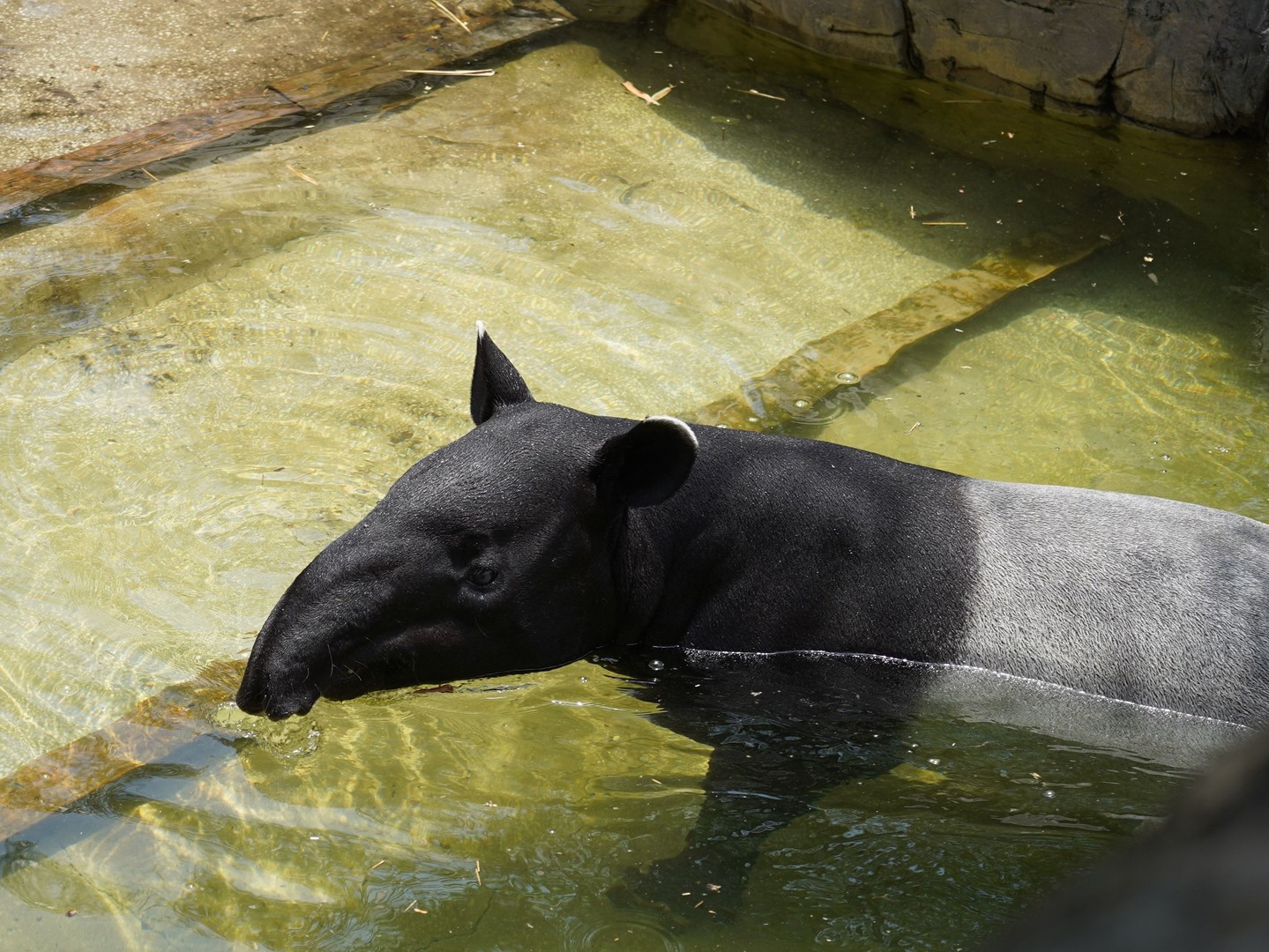
Animals at ZooTampa display remarkable behavioral adaptations to thrive under the summer sun. Malayan Tapirs, endemic to the rainforests of Southeast Asia, naturally gravitate towards water sources. During hot spells, these animals seek shade or submerge in pools, utilizing water as a thermal regulator. This aids in reducing their body temperature while offering them the comfort of a natural, familiar habitat.
Zoos play a crucial role in simulating these natural environments. Providing features like pools and shaded areas allows species like the Tapir to engage in their intuitive cooling behaviors. Such observations are pivotal in understanding animal needs and implementing designs that cater to these requirements effectively.
Environmental Enrichment in Zoo Habitats
Environmental enrichment is essential to maintaining healthy, dynamic zoo habitats. By introducing elements reminiscent of their natural surroundings, animals engage in instinctual activities that promote their overall well-being. For ZooTampa, adding features such as water sprays, mud wallows, and natural foliage provide crucial stimuli for animals like elephants, rhinos, and tapirs.
Continuous enrichment activities ensure that animals are mentally and physically stimulated. These enhancements allow them to express natural behaviors, contributing to better health and longer lifespans. The strategic placement of tactile and sensory elements encourages exploration and interaction within their enclosures, thus elevating their quality of life despite being in a controlled environment.
Visitor Attractions for a Cool Experience
Beyond the animal exhibits, ZooTampa ensures that visitors can enjoy a refreshing experience, even in the summer heat. Attractions such as the Billabong Splash Pad offer families a delightful respite, mimicking the aquatic comforts animals enjoy. Meanwhile, the thrilling Roaring Springs ride allows for an adrenaline-pumping adventure with the bonus of a cooling splash, making it a favored summer activity.
These attractions not only enhance the visitor experience but also serve as educational platforms. By integrating fun with learning, they inspire a deeper appreciation for wildlife and conservation efforts. Such experiences encourage guests to explore more about animal behavior and habitats, fostering a greater understanding and respect for nature.
The Role of Zoos in Wildlife Conservation
Zoos are pivotal in global wildlife conservation efforts. Institutions like ZooTampa engage in critical breeding programs for endangered species such as the Malayan Tapir. These initiatives are vital for preserving genetic diversity and ensuring the survival of species threatened by habitat loss and climate change.
Additionally, zoos serve as educational centers, raising public awareness about conservation challenges. Through interactive exhibits, informative signage, and expert-led tours, visitors gain insights into the intricacies of wildlife preservation. This educational component is crucial in galvanizing public support and advocacy for conservation policies and practices.
Management Strategies for Animal Welfare
Effective management strategies are fundamental for ensuring animal welfare, especially during extreme temperatures. ZooTampa employs various techniques to mitigate the impact of heat, such as providing climate-controlled indoor spaces and access to pools and misting systems.
Dietary adjustments are another consideration. Cooling treats like frozen fruits or specially prepared blocks with nutrients help keep animals hydrated and comfortable. Regular health checks and monitoring also play a role in detecting any stress or discomfort, allowing zookeepers to respond promptly to any issues that arise.
These strategies underscore the zoo’s commitment to maintaining a balance between environmental demands and the physical and psychological needs of the animals under their care. Such proactive measures are integral to the welfare and longevity of the zoo inhabitants.
In summary, ZooTampa exemplifies a holistic approach to zoo management through meticulous planning and dedicated care. By providing environments that mimic natural habitats and offering enriching, educational experiences for visitors, the zoo fosters an environment where both animals and humans can thrive. Their efforts in conservation and education make them a vital link in the chain of wildlife preservation.
*****
Source Description
Summer Jr. may be here, but that won’t stop our animals from feeling cool this summer at ZooTampa! ❄️
Our Malayan Tapirs can cool off by resting in the shade or taking a dip in their pool. While we might be jealous of their pool access, we can still beat the heat in the Billabong Splash Pad in our Australia realm or take a 3-story plunge on Roaring Springs presented by Pinch A Penny! 🪙
