
- At the River Museum’s commitment to sustainable animal feeding practices
- The importance of sourcing food responsibly for marine life
- The Seafood Watch Program and its role in promoting ethical seafood choices
- How individuals can adopt sustainable seafood practices for their families
- The broader impact of sustainable fishing on global marine ecosystems
At the River Museum, our dedication to animal care extends beyond just feeding. We prioritize sourcing food that aligns with conservation efforts, particularly focusing on responsible practices that protect our oceans and marine life. The ocean is a vital resource that supports countless species and ecosystems. By leveraging sustainable sources, we contribute to the health of marine ecosystems and set an example for the broader community.
Responsible sourcing is essential in today’s world, where overfishing and environmental degradation threaten the survival of various marine species. Many popular seafood choices come from fisheries that practice unsustainable fishing methods. These methods can decimate populations of fish and other marine creatures, disrupt ecosystems, and ultimately harm the very resource we depend on. By choosing sustainable options, both institutions like ours and individuals can help mitigate these issues.
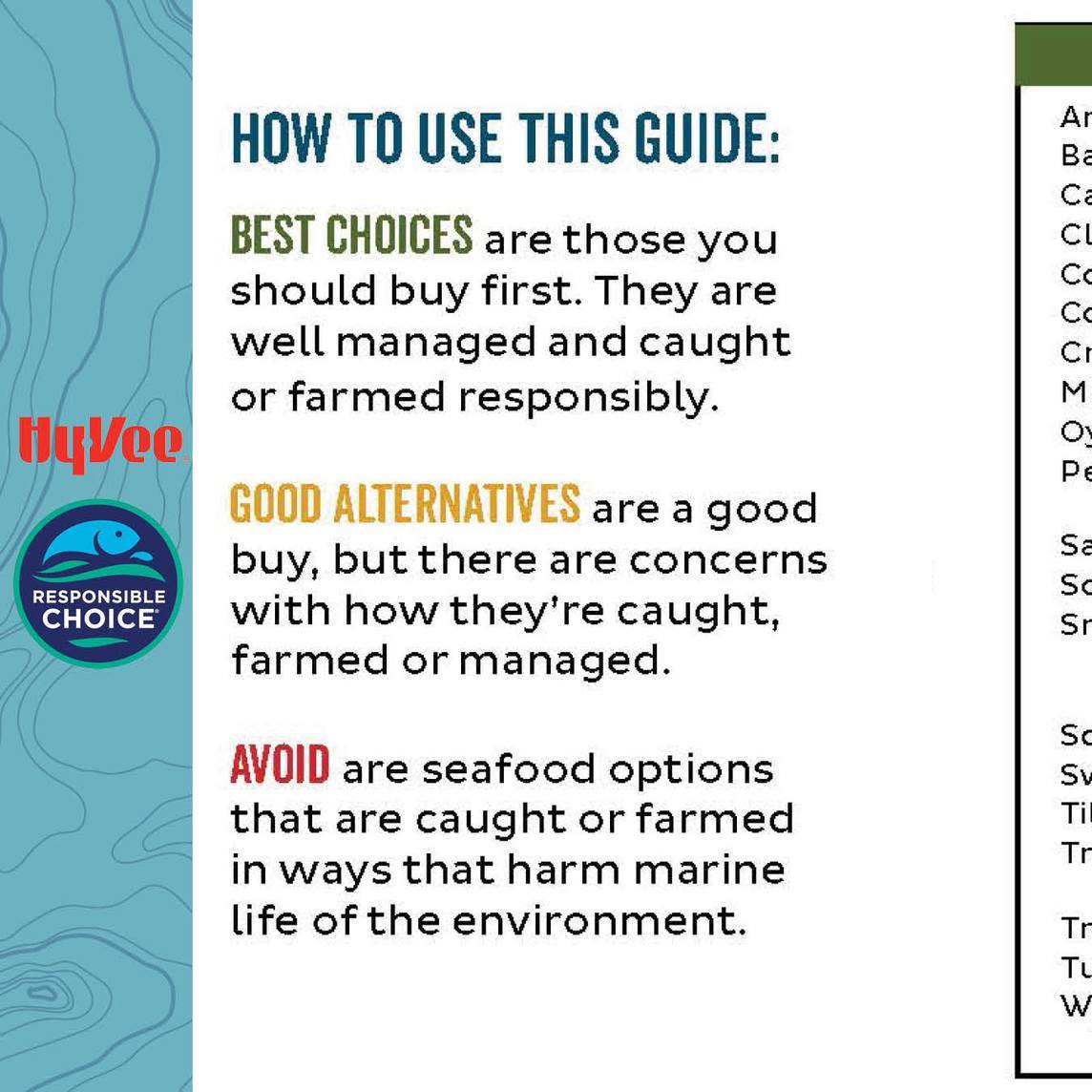
Our partnership with local Hy-Vee supermarkets through the Monterey Bay Aquarium’s Seafood Watch Program embodies our commitment to promoting responsible seafood choices. This program provides practical guidance for consumers to select seafood that is harvested in environmentally friendly ways. It assesses various fisheries and aquaculture operations, rating them based on their sustainability practices. These ratings allow consumers to make informed choices, ultimately driving the market toward more sustainable options.
The Seafood Watch program categorizes seafood into green, yellow, and red lists based on how each option impacts marine life. Green-rated options are the most sustainable, while red-rated choices should be avoided due to harmful fishing practices. This easy-to-understand system empowers consumers to make choices that align with conservation efforts. By choosing green-rated seafood, you actively contribute to the preservation of marine ecosystems and support fisheries that practice responsible methods.
Adopting sustainable seafood practices doesn’t stop at simply checking labels. Families can take a more engaged role in understanding where their seafood comes from. This involves asking questions about the sourcing practices of local markets and being aware of the species and their conservation status. When shopping, check for the Seafood Watch recommendations or utilize their mobile app. This tool can enhance your grocery shopping experience by providing instant access to sustainability ratings, making it easier to select responsible options.
The responsibility to promote sustainable seafood choices extends beyond individual shopping habits; it encompasses advocacy, education, and awareness. Engaging with your community about the importance of responsible seafood consumption helps expand the ripple effect of sustainable practices. By organizing or participating in local events that focus on marine conservation, you can play a role in educating others about the critical state of our oceans and the actions that can help.
The broader impact of sustainable practices resonates across global marine ecosystems. Unsustainable fishing methods lead to bycatch, which refers to unintentionally capturing non-target species. This issue significantly disrupts the balance of marine life, often resulting in declining populations of various species, including those that may play crucial roles in their ecosystems. As fish populations decline, the predators that rely on them for food may also experience population constraints. Sustainable fishing practices address these concerns by minimizing bycatch and promoting biodiversity.
Sourcing food for animal care in a way that protects marine life is not just a principle; it is a necessity. At the River Museum, we understand that the choices we make about food distribution have lasting implications on the environment. Implementing sustainable sourcing enables us to demonstrate to our visitors the direct correlation between our diets and the health of our oceans. It’s an integral part of our mission to foster a deeper understanding of wildlife conservation.
Many may wonder how institutions like ours manage to ensure a diverse diet for the animals while strictly adhering to sustainable practices. A variety of species require specific dietary needs, and sourcing these needs sustainably can be complex. We collaborate with trusted suppliers who prioritize sustainable harvesting methods and adhere to guidelines set forth by the Seafood Watch program. This alliance guarantees that the food provided meets not only the nutritional requirements but also aligns with our conservation goals.
Sourcing sustainably also reflects on food quality. Seafood that is responsibly harvested typically reflects higher quality. This is vital for the health of the animals under our care, as well as reinforcing the practice of sustainable consumption. Fresh, well-sourced food contributes to the overall health of aquatic creatures. Those who engage with seafood marketing often note that fresher fish offers a superior taste and nutritional benefit. This is another persuasive reason to support sustainable fisheries.
The connection between sustainable seafood practices and consumer education cannot be overlooked. In an age where information is abundant, consumers are in a unique position to drive change through their purchasing choices. Awareness campaigns and educational resources play a pivotal role in informing families about the importance of seafood sustainability. This knowledge is invaluable when it comes to making more informed decisions.
Parents can take an active role in sustainability by involving their children in the shopping process. Teaching children about the importance of making environmentally responsible purchases helps instill core values around wildlife conservation and stewardship from a young age. Simple discussions around sustainability can lead to informed shopping habits that last a lifetime. This family engagement not only strengthens relationships but also promotes a collective commitment to a healthier planet.
The Seafood Watch program serves as a direct link between consumers and conservation efforts. By participating in this initiative, individuals can contribute to research that affects fisheries across the globe. Consumer choices have the power to dictate market trends. When more people opt for sustainable seafood, it encourages fisheries to adopt better practices, fostering a healthier marine environment.
The importance of this collective action extends beyond immediate communities. Global initiatives require collaboration and shared responsibility among consumers, businesses, and policymakers. Policy changes aimed at promoting sustainable practices can radically impact fisheries worldwide. By voicing support for responsible fishing legislation, consumers can influence political will and inspire constructive change on a global scale.
Taking personal action and becoming informed is a vital part of promoting sustainable seafood choices. This opens up opportunities not only to improve individual diets but to contribute positively to marine conservation. By sharing meal preparations and recipes featuring sustainable seafood, individuals can inspire others to explore responsible options. Such practices cultivate an environment where sustainable choices become ingrained in daily lifestyles.
Furthermore, gaining insight into the intricacies of marine ecosystems enhances our understanding of the broader impacts of sustainable practices. Each species plays a distinct yet interconnected role within its habitat. A healthy ecosystem benefits humans, providing clean water, oxygen, and food. These essential services underline the importance of protecting our oceans through sustained, responsible practices.
At the River Museum, our mission revolves around fostering connections between our visitors and marine conservation efforts. Our collaboration with Hy-Vee and the Seafood Watch program epitomizes a shared commitment to sustainability that extends from our animals to our communities. Engaging with our local audience adds layers of understanding around the implications of their choices, emphasizing that every decision counts.
Community education initiatives must engage audiences through various formats. Workshops, presentations, and guided tours can inform the public about sustainable seafood choices and their role in conservation. Such outreach strengthens community ties while fostering awareness of the challenges facing global marine ecosystems.
The importance of adopting sustainable seafood practices transcends the individual, impacting communities and ecosystems worldwide. Every conscientious choice contributes to a healthier planet and its inhabitants. It’s a multi-faceted effort that requires collaboration, education, and advocacy. When combined, these efforts can cultivate a generation dedicated to preserving marine life for future generations.
Through our commitment at the River Museum to responsible sourcing, we showcase a practical model for individuals and families alike. By partnering with local supermarkets and programs like Seafood Watch, we emphasize simple, actionable steps that everyone can incorporate into their lives. Taking personal responsibility for the choices we make and inspiring others to do the same creates a culture of conservation. Each piece plays a role in the larger puzzle of marine sustainability; every effort counts in our quest for a healthier ocean and a thriving ecosystem.
*****
Source Description
At the River Museum, we’re committed to sourcing food for our animals in a way that protects our oceans and marine life. But did you know you can take the same approach to buying sustainable options for your family?
We’ve partnered with our local @hyvee supermarkets through the @montereybayaquarium’s Seafood Watch Program to promote responsible seafood choices.
You can learn more about Seafood Watch at https://www.seafoodwatch.org/
