
- The significance of animal enrichment in zoological settings
- Understanding the specific needs of primates in captivity
- The role of zookeepers in animal care and enrichment
- Insights into the social behaviors of gorillas
- The importance of public engagement and education in zoos
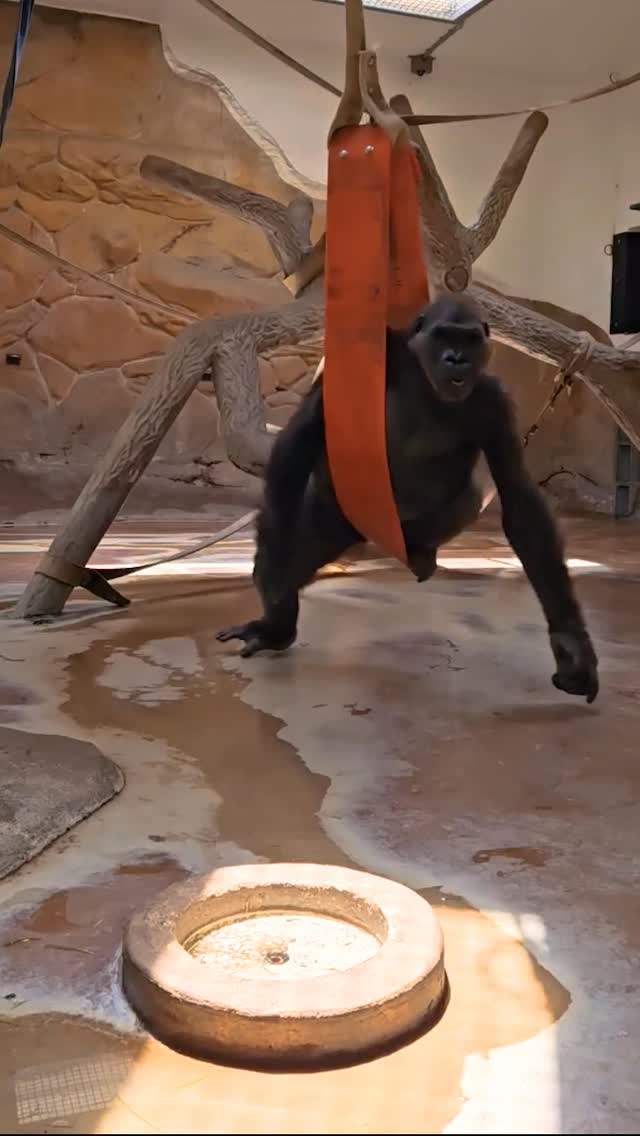
Animal enrichment plays a crucial role in zoological settings, significantly impacting the well-being of animals. This concept goes beyond mere habitat design; it includes activities and items that stimulate natural behaviors and provide mental and physical challenges. For instance, the recent unveiling of a swing in an off-habitat play area for the gorillas, Bruno and Gus, exemplifies this approach. Such enhancements create opportunities for animals to engage in behaviors that are essential for their development and happiness.
When considering the unique needs of primates in captivity, it’s essential to understand their complex social structures and environmental requirements. Gorillas, as highly social creatures, thrive in environments that allow for interaction and play. Introducing elements like swings offers a new way for these animals to practice skills essential for their survival in the wild, such as coordination and agility. These amenities not only entertain but are designed to mimic the physical activities gorillas would engage in in their natural habitats.
Zookeepers play an indispensable role in animal care and enrichment initiatives. Their knowledge of species-specific behaviors and needs is vital for implementing effective enrichment strategies. In the case of Bruno and Gus, Keeper Angie thoughtfully integrated the swing into their habitat, considering both their physical abilities and personalities. The observation of how these gorillas interact with the swings offers valuable insights into their behavioral patterns. Zookeepers not only care for the animals but also engage in ongoing education to optimize their care strategies.
Social behaviors among gorillas provide enlightening data about their dynamics in a group setting. In the wild, these animals exhibit a variety of interactions, including grooming, playing, and forming alliances. Such behaviors serve critical purposes, ranging from strengthening social bonds to establishing hierarchies within a troop. As seen in the play area with the swing, Bruno and Gus likely engage in playful antics that reinforce their relationship and offer emotional satisfaction—elements that are beneficial both mentally and socially.
Public engagement and education characterize modern zoological practices, crucial for fostering appreciation of wildlife. Educational programs that highlight the importance of conservation efforts complement the animal enrichment activities in zoo settings. Initiatives aimed at educating the public about the behaviors and needs of species like gorillas create a greater awareness of the challenges these animals face in the wild. Through public demonstrations, social media, and direct interactions, zoos provide platforms for learning, ultimately encouraging stewardship of wildlife and natural habitats.
Enrichment practices in zoos, such as the swing for Bruno and Gus, illustrate a commitment to creating high-quality, stimulating environments. Enrichment includes physical structures like swings but also encompasses interactive activities, food puzzles, and sensory items. The choice of materials and design reflects a deep understanding of the animals’ needs and preferences. Utilizing safe and suitable materials not only promotes activity but safeguards the animals’ physical health. Such considerations form the backbone of effective animal care strategies.
The psychological well-being of animals is equally as important as their physical care. Psychologists and behaviorists often collaborate with zookeepers to assess the mental health of animals. Stress or boredom can lead to abnormal behaviors, which not only affect individual animals but entire groups. Implementing well-thought-out enrichment practices can help mitigate these issues, providing a more fulfilling life. Regular evaluations help zookeepers refine their strategies, ensuring they are attuned to the changing needs of the animals.
Research into gorilla behavior sheds light on their intelligence and social complexity. Observing animals like Bruno and Gus can contribute to a broader understanding of gorilla behavior in captivity and the wild. For example, examining how these animals interact with the swing may reveal preferences for certain activities over others. This information can be pivotal for future zoo designs and enrichment efforts. Zoo habitats can actively encourage not just activity, but also positive interactions among group members.
Creating a stimulating environment goes beyond physical structures; it includes fostering curiosity and exploration. Animals, especially primates, possess an inherent drive to mentally engage with their surroundings. Enrichment items, including swings, ropes, and climbing structures, offer platforms for experimentation. By encouraging movement and socialization, these additions help replicate the conditions gorillas would encounter in their native habitats.
Monitoring the impact of these enrichment strategies is an ongoing process. Zookeepers keep logs of animal behaviors, noting changes in activity levels and social interactions. This documentation is instrumental in assessing the success of new initiatives. Data-driven strategies can inform future enrichment plans, custom-tailoring them to specific individuals within a species.
The introduction of new enrichment items also serves to stimulate interest from visitors. Zoos often utilize the excitement generated by activities like swings to draw public attention. These moments create educational opportunities, allowing visitors to witness naturalistic behaviors and learn about the animals. Public interest in animals can drive support for conservation initiatives, enhancing efforts to preserve wildlife both in captivity and the wild.
This engagement fosters a community interested in animal welfare and conservation efforts. Many zoos encourage visitors to participate actively in the care and enrichment of the animals. Volunteer programs, educational sessions, and interactive exhibits allow the public to connect with animals like Bruno and Gus on a deeper level. This connection can not only improve community relations but also raise awareness about the challenges faced by many species due to habitat loss and climate change.
Moreover, the role of social media in promoting zoo activities cannot be overstated. Posts featuring animals participating in enrichment activities, like the swing for Bruno and Gus, can quickly spread awareness and interest. Such visibility helps to highlight the benefits of modern zoos beyond simple animal display. It illustrates the focus on conservation, education, and animal welfare.
Animal conservation entails protecting species from extinction while fostering an ethical framework within human-animal interactions. Successful conservation strategies often include captive breeding programs, habitat restoration, and community education. For instance, understanding the behavioral needs of gorillas aids in creating programs that simulate their natural environment as closely as possible. Such measures are vital for species survival, especially in light of the threats posed by habitat destruction and poaching.
Effective practices also encourage conservation initiatives beyond the zoo. Collaborations with wildlife organizations, research institutions, and governmental bodies enhance protection efforts for gorillas and other wildlife. By integrating animal care, research, and conservation efforts, organizations can create holistic strategies that promote the welfare of animals both in captivity and the wild.
As zoos evolve, the focus on improving animals’ lives continues to grow. Strategies like the swing installed for Bruno and Gus are not mere novelties but essential components of forward-thinking zoo management. Such practices underscore the commitment of zookeepers and institutions to prioritize animal welfare over traditional displays. In turn, this commitment nurtures a public appreciation for wildlife conservation and the complexities of animal care.
The experiences of gorillas like Bruno and Gus highlight the ongoing endeavors to improve animal welfare. A swing in their habitat does much more than entertain; it offers them a chance to thrive socially and physically. This case exemplifies the wider responsibilities held by zoos and their staff, reaffirming their roles as educators, conservators, and caretakers of wildlife.
Through strategic enrichment and public engagement, zoos aim to create a brighter future for species like gorillas. This vision requires collaboration, adaptability, and ongoing education to uphold the commitment to animal welfare in an ever-concerning world. Engaging with the ongoing narratives of animals like Bruno and Gus fosters a shared responsibility among the public, creating advocates for wildlife conservation and understanding. This mutual goal can bridge the gap between the zoo environment and the world beyond it, fostering a sustainable future.
*****
Source Description
Swinging into the weekend! 🦍🎉
Bruno & Gus certainly seem to be enjoying the new swing in one of their off-habitat play areas!
📹: Keeper Angie
