
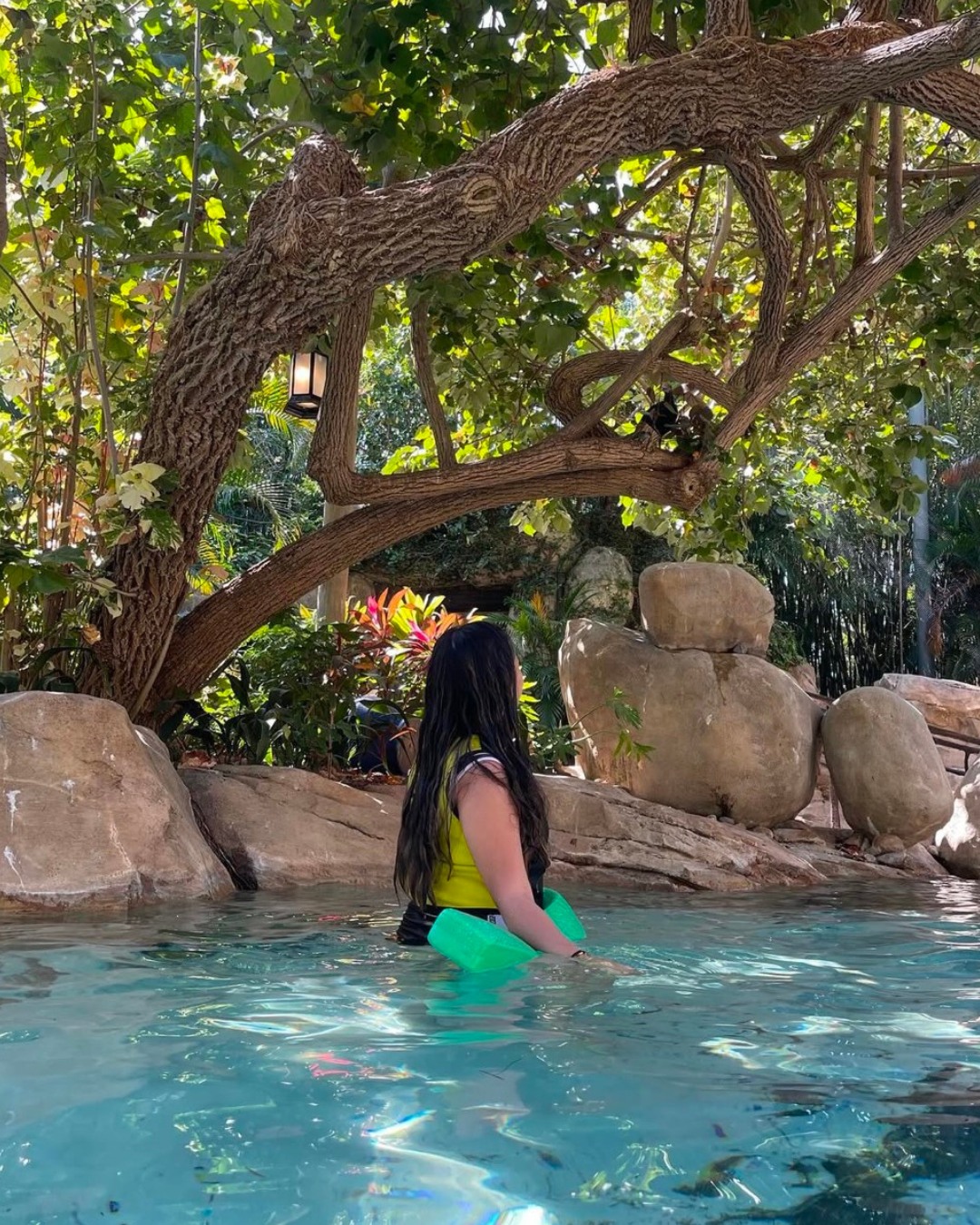
- Understanding the Cultural Significance of Paradise Landscapes
- The Ecology of Tropical Islands: Flora and Fauna
- Conservation Efforts for Wildlife: Challenges and Successes
- Engaging with Wildlife: Responsible Practices
- The Role of Zoos in Education and Conservation
Paradise landscapes encompass much more than picturesque views and tranquil beaches. They carry deep cultural significance, often rooted in the stories and traditions of local communities. These landscapes offer a physical space for spiritual rituals, community gatherings, and ancestral connections. In many indigenous cultures, tropical islands symbolize abundance and life. The lush greenery and diverse ecosystems create a sense of belonging. To fully appreciate these landscapes, one must engage with their cultural narratives and learn how they are intertwined with the natural world.
Analyzing the ecology of tropical islands reveals a complex web of interdependent life. Tropical environments are rich in biodiversity, housing thousands of endemic species. Flora varies greatly, from towering coconut palms to vibrant hibiscus flowers. Each species plays a role in the ecosystem. For instance, the coconut palm not only provides food but also serves as a habitat for various bird species. Animal life is equally diverse, with unique species adapted to island living.
Birds are often the most visible representatives of wildlife in tropical paradises. Many, like the Hawaiian ‘i’iwi or the Seychelles Seychelles warbler, have evolved in isolation, leading to distinct behaviors and traits. Marine life, too, is remarkable, from colorful coral reefs to diverse fish species. Such ecosystems must be continuously studied and understood. Only through a commitment to research can we implement effective conservation strategies that maintain this rich biodiversity.
Conservation efforts face numerous challenges. Habitat loss, climate change, and pollution threaten these delicate ecosystems. Invasive species often disrupt the natural balance, leading to declines in native species. Successful conservation initiatives require collaboration between local communities, governments, and conservation organizations. Strategies that incorporate local knowledge have proven effective. Engaging with communities creates a sense of ownership over conservation programs, fostering sustainable practices.
A prime example of this collaborative model is the establishment of marine protected areas (MPAs). These areas allow ecosystems to recover from human pressure. MPAs provide a refuge for marine species, helping to rebuild fish populations and protect coral reefs. Evidence shows that effective MPAs can lead to greater biodiversity and healthier ecosystems.
Engaging responsibly with wildlife is essential to conservation. Activities such as responsible tourism allow individuals to experience the beauty of nature while promoting conservation efforts. Adhering to guidelines helps minimize human impact on ecosystems. For instance, when observing marine life, maintaining a safe distance is critical. Disturbing animals can disrupt their natural behaviors and feeding patterns.
The role of zoos in education and conservation is multifaceted. Zoos serve as important educational institutions, raising awareness about wildlife issues. Through exhibits, educational programs, and outreach, zoos connect the public with conservation initiatives. They provide insights into species behavior, habitat needs, and environmental challenges.
Zoos also partake in breeding programs designed to enhance the genetic diversity of endangered species. These programs work to bolster declining populations, aiming for potential reintroduction into the wild. Breeding efforts are tailored to reflect natural breeding patterns and behaviors. By simulating natural environments, zoos increase the chances of successful reproduction.
Through these educational roles, zoos promote a deeper understanding of wildlife. They showcase the interconnection between species and ecosystems. This message amplifies awareness of broader conservation issues. Engaging with visitors provides zoos a platform to advocate for wildlife protection.
The ultimate aim of all these efforts—be it conservation work in natural habitats or education in zoos—is to build a future where human activities do not compromise biodiversity. Nature should coexist with human development, enriching lives while sustaining ecosystems.
Understanding the cultural significance of paradise landscapes enhances our appreciation of them. By supporting local cultures, conservation efforts become more effective. Language, art, and traditional practices inform us about the relationship between people and nature. Engaging with these stories creates a holistic understanding of what paradise truly represents.
The diverse ecology of tropical islands reminds us of nature’s incredible power and resilience. These habitats have evolved through millennia, producing peak biodiversity. Nonetheless, they face unprecedented threats. Climate conditions, pollution, and human involvement challenge their survival. Only through a collective effort can we protect these systems.
By understanding the various facets of wildlife conservation, individuals can become more informed stewards of the environment. This engagement leads to small actions, like minimizing plastic use, that contribute to larger goals. Every person can make an impact, fostering a culture of conservation and respect for nature.
Zoos play an increasingly vital role in fostering a culture of conservation. They bridge the gap between urban environments and wildlife, establishing connections. Visitors learn to appreciate biodiversity, understanding its critical role in global health. Education initiatives empower individuals to take action in their communities.
Responsibility extends beyond borders. As global citizens, we must support conservation efforts on tropical islands and elsewhere. Supporting NGOs dedicated to wildlife protection helps sustain efforts to preserve natural environments. Informing policymakers about conservation needs can lead to systemic changes that favor biodiversity.
In summary, having a perfect day in paradise goes beyond mere enjoyment of beautiful surroundings. Cultivating a deeper understanding of these landscapes, their cultural significance, and the biodiversity they host is crucial. Engaging with wildlife, participating in conservation efforts, and supporting organizations that promote these values are essential steps toward preserving paradise for future generations. Each of us holds the power to contribute, creating a lasting impact on the welfare of our planet and its inhabitants.
*****
Source Description
Swipe for a perfect day in paradise ➡️ 🌺 🌴
📸: @nath__cr
