
- The biological significance of tails in various species
- An overview of Tumbili’s species and native habitat
- The role of tails in primate behavior and movement
- Challenges in wildlife conservation affecting tail-bearing species
- Insights into the management and care of animals with tails in zoos
Tails serve varied purposes in the animal kingdom, acting as tools for communication, balance, and locomotion. In many species, including primates like Tumbili, a tail can provide significant advantages in their daily lives. Understanding these functions provides a window into the evolutionary traits that define each species.
Tumbili, the monkey in our case, belongs to the family Cercopithecidae, specifically to the genus Cercopithecus, native to parts of Africa. Ecologically, these primates inhabit rainforests, savannas, and mountainous regions. This diversity in habitat signifies that Tumbili has adapted to various environments. These adaptations help ensure good survival rates in different ecological conditions.
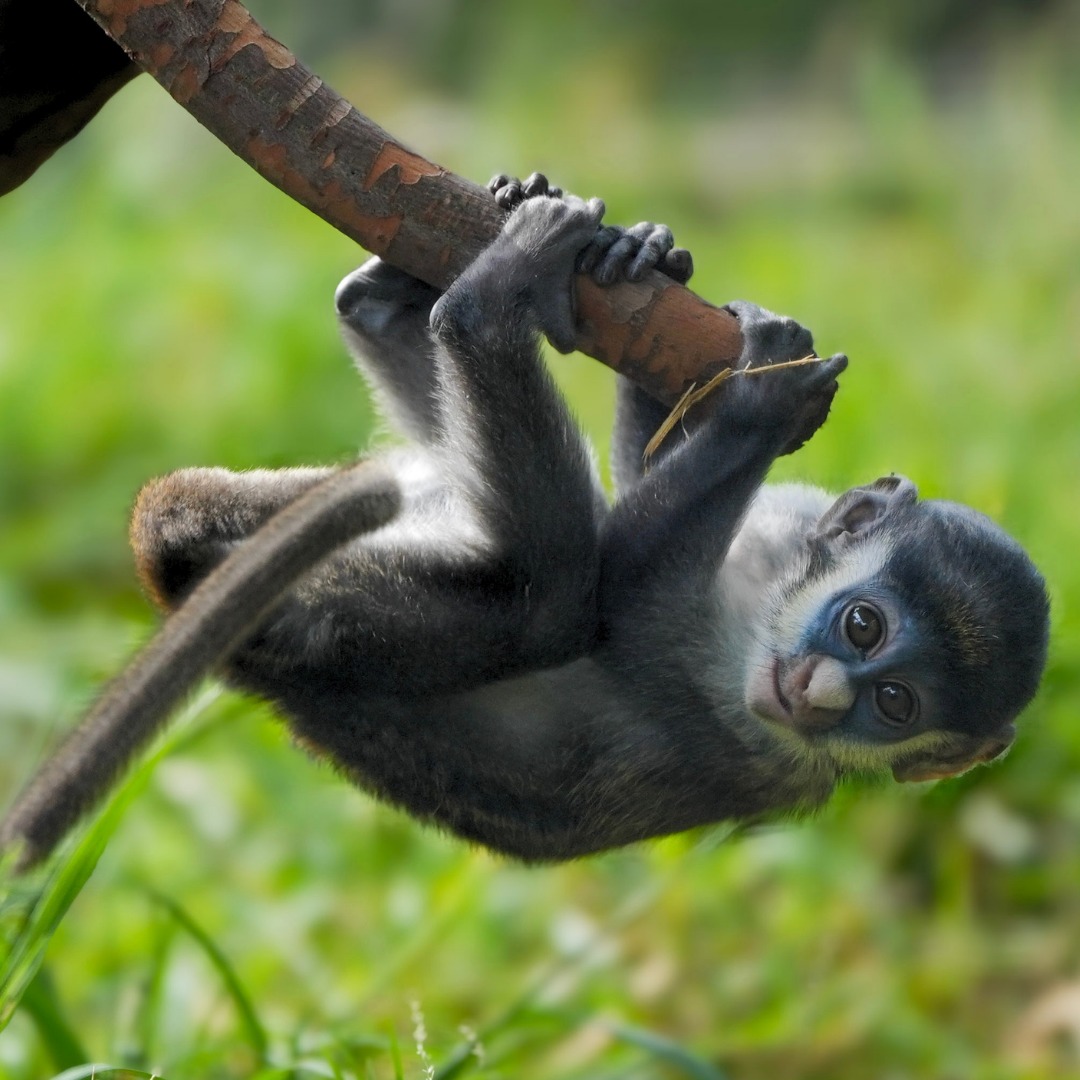
The tail of Tumbili is not a mere appendage; it plays a critical role in its behavior. For monkeys, tails typically aid in balance, especially when navigating through the branches of trees. Their long and flexible tails help them maintain equilibrium while jumping or swinging. Furthermore, tails can serve as signals to other members of their group. For instance, a sudden tail movement can indicate alarm or distress. These behaviors showcase the profound interactions between anatomy and social dynamics.
Analyzing tail functions in primates reveals critical insights into their evolution. Many species have evolved tails that serve essential roles, such as enabling them to maneuver through dense vegetation or escape from predators. In comparison, species that live in more open habitats may have shorter or less functional tails. These variations illustrate how environmental pressures shape anatomical features.
The significance of tails extends beyond anatomy; they are essential for social interactions. Tumbili and other tail-bearing species use their tails to express emotions or intentions. A higher tail position often indicates confidence and alertness, while a low tail may suggest submissiveness. By observing tail movements, researchers gain crucial insights into the social hierarchy and behaviors of these animals.
Unfortunately, habitat loss and illegal poaching are major threats to tail-bearing species like Tumbili. Deforestation impacts their natural habitats, forcing them into closer contact with humans and increasing the likelihood of conflict. Conservation programs focus on protecting these animals by preserving their habitats and raising awareness. Zoos often play a pivotal role in this effort, providing safe havens and educational experiences for the public.
In the context of zoo management, caring for tail-bearing species demands thoughtful strategies. Enrichment is an essential aspect of care. It can include anything from branches and ropes for climbing to puzzle feeders that encourage foraging behaviors. By catering to their instincts, caregivers can enhance the quality of life for animals like Tumbili and promote natural behaviors.
Feeding regimes must also be suitable for each species, taking into account their dietary needs and social structures. A well-rounded diet supports not only their physical health but also their psychological well-being. Tumbili, for instance, primarily feeds on fruits, leaves, and insects in the wild. Replicating these conditions in captivity can mitigate stress and tension.
Behavioral studies in zoos have shed light on animal cognition and social structures. Tumbili exhibits complex social behavior that is essential for cooperative breeding and resource sharing. Through observation, researchers can glean information about parental care, social hierarchies, and communication methods, further informing conservation and management practices.
Understanding the intricate biology of tails, particularly in primates, amplifies our knowledge of evolutionary biology. This understanding can be integral in conservation efforts. By recognizing tail functions, we can better advocate for the protection of habitats and develop more effective wildlife management strategies. Tumbili’s characteristic tail, while seeming simple, signifies complex behavioral patterns and ecological needs.
Challenges remain, however. Many species face critical threats, including climate change and human encroachment. Effective wildlife conservation relies on integrative approaches that combine scientific research and community engagement. Building relationships with local populations can create sustainable conservation frameworks. Programs that involve communities in conservation efforts often yield favorable outcomes, allowing for a coexistence that benefits both wildlife and humans.
Ongoing research into the behavioral ecology of tail-bearing species illustrates the connection between anatomical traits and their impacts on survival. Understanding these connections is crucial, not just for academic knowledge but also for practical applications in the field of wildlife management. Tumbili, with its tail and rich social behaviors, serves as an exemplary model for studying these concepts.
Zoos have the unique opportunity to serve as education hubs, raising awareness about the importance of tails in primates like Tumbili. Members of the public become informed about the species they might never encounter in the wild, helping them recognize the critical role animals play in their ecosystems. Educational programs can effectively highlight the significance of biodiversity, motivating individuals to engage in conservation efforts.
As global conservation conversations continue, the role of tails, like Tumbili’s, often becomes a focal point in discussions about adaptation and survival. By examining specific traits such as tails in certain species, scientists can predict how those animals might respond to environmental stressors. This knowledge is invaluable for developing comprehensive conservation strategies.
Collaboration between researchers, zoos, and conservation organizations stands as a pillar of effective wildlife preservation. This collective effort is crucial for addressing issues of habitat destruction and species extinction. By pooling resources and expertise, stakeholders can more effectively implement conservation initiatives that prioritize species like Tumbili.
Understanding Tumbili’s tail-related behavior enriches our comprehension of primate adaptations and social complexities. As wildlife conservation faces numerous challenges, such insights will inform strategies aimed at protecting not only Tumbili but also its habitat and companions in the wild. Careful management and committed conservation practices are essential to ensuring the longevity of these species and their ecological roles.
The journey of discovering the significance of tails in primates reveals the interconnectedness of anatomy, behavior, conservation, and management in zoos. Tumbili stands as a testament to the relevance of this exploration in broader efforts towards environmental stewardship. As knowledge grows, so does the potential for effective actions that support wildlife and contribute to a more harmonious balance between humans and nature.
*****
Source Description
Swipe to see Tumbili discover that he does in fact have a tail 😮🐒➡️
