
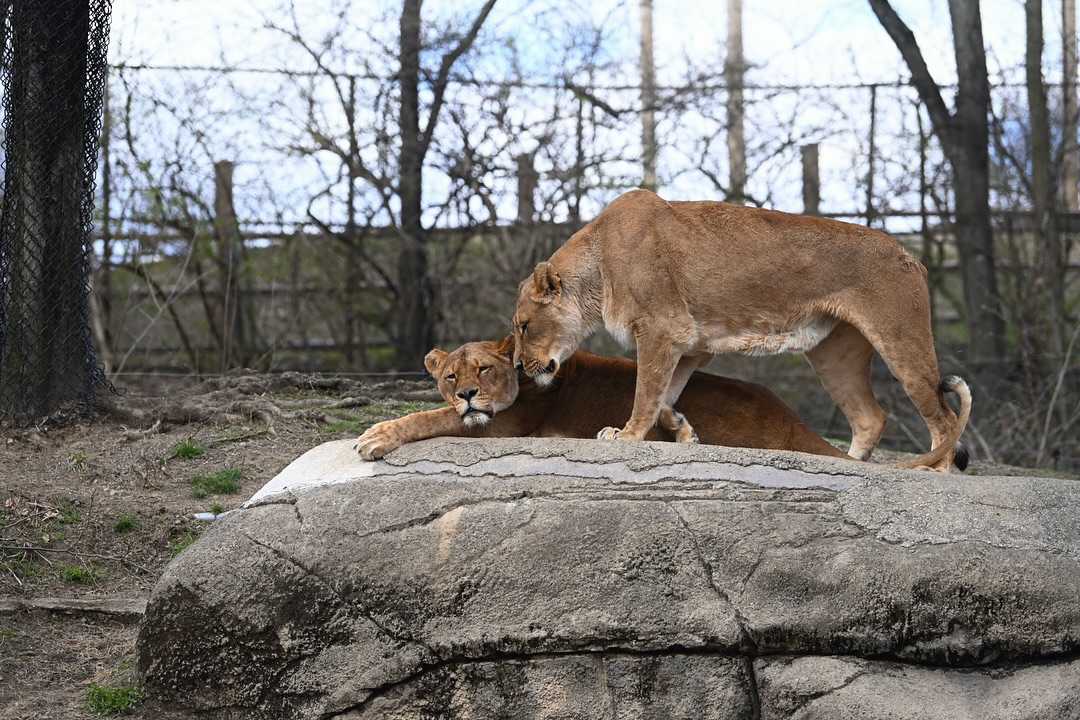
- The Role of Zoos in Wildlife Conservation
- Understanding Animal Behavior and Enrichment
- Challenges in Zoo Management
- The Importance of Public Engagement and Education
- Future Directions in Wildlife Conservation
The Role of Zoos in Wildlife Conservation
Zoos play a critical role in the conservation of species, providing a sanctuary for animals in danger of extinction. With nearly 1 million species at risk of disappearing, zoos have adapted their missions from mere entertainment to focused conservation efforts. Modern zoos prioritize breeding programs for endangered species, collaborating with global conservation organizations. Many species, such as the California condor and the Arabian oryx, have been brought back from the brink of extinction due to these programs.
These institutions are not merely holding areas; they act as research hubs. Studies on animal behavior, genetics, and reproduction conducted in zoos add vital knowledge to conservation projects. Additionally, zoos often contribute funds to in-situ conservation efforts, aimed at preserving animals in their natural habitats. The combination of ex-situ (off-site) and in-situ strategies creates a more holistic approach to conservation, addressing the root causes of species decline, such as habitat loss and poaching.
Understanding Animal Behavior and Enrichment
Understanding animal behavior is paramount in creating environments that promote natural activities and well-being. Enrichment, an essential aspect of modern zoological practices, involves modifying environments to stimulate the species’ natural instincts. This can include physical structures that encourage climbing for arboreal species or artificial water bodies for aquatic animals.
Behavioral studies provide insights into how animals interact with their habitat, aiding zookeepers in creating enriching experiences. For example, research indicates that elephants exhibit more natural behaviors when provided with task-oriented challenges, such as finding hidden food. These activities fulfill psychological needs, reduce stress, and improve animal health.
By promoting natural behaviors, zoos also facilitate better public education. Visitors witness animals engaging in activities they would typically observe in the wild. This not only raises awareness about species but also fosters a connection that drives conservation initiatives outside zoo walls.
Challenges in Zoo Management
Zoo management includes multiple challenges that require specialized knowledge and skills. Budget constraints often limit resources allocated for animal care and conservation projects. Proper training for staff members is crucial; they must possess both scientific knowledge and people skills to ensure public safety and animal welfare.
In addition, zoos face ethical dilemmas in balancing animal care, entertainment, and educational responsibilities. Discussions around animal welfare are growing, leading many institutions to reevaluate their practices. Some zoos are moving towards more spacious habitats, mimicking natural environments rather than traditional cages.
Furthermore, climate change poses an additional layer of complexity. As global temperatures rise, zoo management must adapt to the shifting needs of species, particularly those that cannot thrive in altered environments. This necessitates careful planning and resource allocation.
The Importance of Public Engagement and Education
Public engagement is vital for the success of zoos and conservation efforts. Through educational programs, zoos can inform visitors about the significance of biodiversity and the impacts of human actions on wildlife. Programs for schools, families, and community groups help to foster a sense of responsibility towards the environment.
Interactive exhibits that offer hands-on learning experiences also play a significant role in creating future conservationists. Shows featuring animal behavior not only entertain but instill knowledge and inspire action among the audience. A well-informed public is more likely to support conservation initiatives and engage in eco-friendly practices.
Social media and digital platforms further expand the reach of these messages, allowing zoos to connect with a global audience. Campaigns aimed at addressing specific conservation goals can garner widespread support. An engaged audience amplifies the call for action against wildlife trafficking, habitat destruction, and other threats to biodiversity.
Future Directions in Wildlife Conservation
The future of wildlife conservation lies in innovative approaches and partnerships that bridge gaps between various stakeholders. Collaborations among zoos, universities, and conservation organizations are becoming increasingly common. These partnerships facilitate knowledge sharing, allowing for more effective strategies.
Technology plays a crucial role, from using drones to monitor wildlife populations to employing genetic tools in breeding programs. Advances in veterinary medicine also contribute to healthier animal populations, enhancing both captive and wild efforts.
Global challenges require adaptive solutions. Creating wildlife corridors can counteract habitat fragmentation, allowing for greater animal movement. Rewilding initiatives, which reintroduce species into their natural habitats, are gaining traction and showing promise for ecological restoration.
Investing in community-driven conservation programs empowers local populations to participate in protecting their natural heritage. Sustainable practices support both wildlife and human needs, making conservation a shared responsibility.
As the landscape for conservation continues to shift, zoos must remain dynamic and proactive. By adapting to new challenges, engaging the public, and prioritizing animal well-being, they can play a vital role in safeguarding biodiversity for generations to come.
*****
Source Description
Tag someone you bothered on this lazy Monday
