
- The significance of tamarin twins in conservation and education efforts.
- Behavioral traits and social structures of tamarins.
- The role of zoos in wildlife conservation and species preservation.
- The nutritional needs and care practices for golden lion tamarins.
- Public engagement strategies that promote wildlife appreciation and awareness.
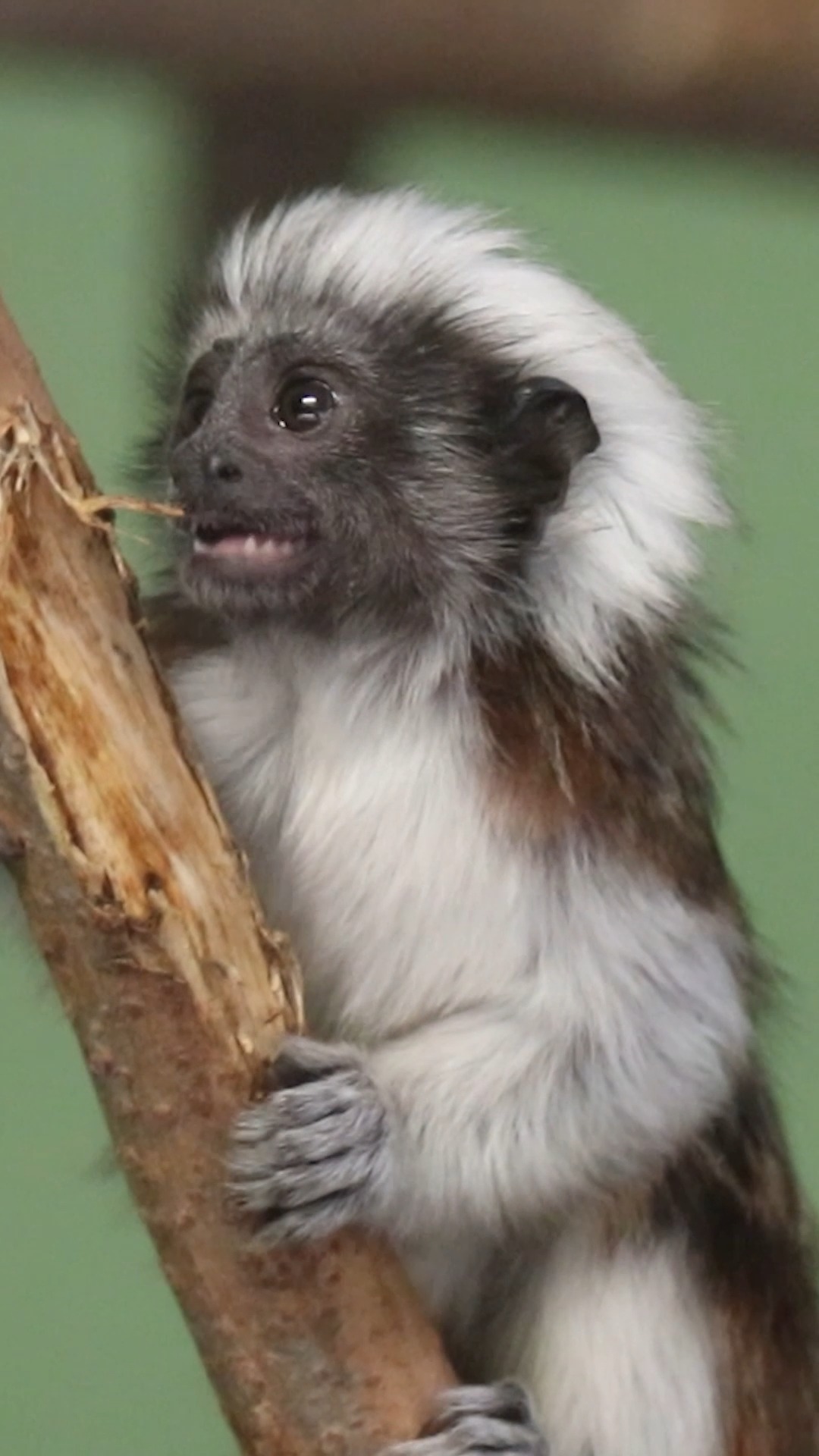
The tiny tamarin twins at Stone Zoo exemplify the vibrant energy and engaging personality that captivates visitors and enriches the overall zoo experience. Golden lion tamarins, known for their striking golden fur and charming antics, play a vital role in both their ecosystems and conservation initiatives. Their playful behaviors offer a window into the complexities of their social structures, enhancing public interest and education about wildlife.
Golden lion tamarins are small primates native to the Atlantic coastal forests of Brazil. Unfortunately, their habitat has dwindled due to deforestation and urbanization. These twins serve as ambassadors of their species, drawing attention to the pressing need for habitat conservation and wildlife protection. By showcasing the beauty and vitality of these animals, Stone Zoo encourages visitors to reflect on their role in preserving biodiversity.
Behavioral traits of tamarins are notable, particularly their social structures. Tamarins are highly social animals that live in family groups, typically consisting of a mated pair and their offspring. The twins often engage with their parents, demonstrating behaviors such as grooming, playing, and vocalizing. Such interactions highlight the importance of social bonds in tamarin communities, which can impact their survival in the wild. Observing these behaviors raises awareness about the need for intact family units in animal populations.
Understanding tamarin parenting is essential for both zoo management and conservation efforts. In the wild, tamarin parents share the responsibility of caring for their young, with both mothers and fathers providing nurturing support. This cooperative breeding strategy increases the survival rate of the offspring as they receive more care and attention from multiple adults. At Stone Zoo, this practice is mirrored in their efforts to provide a suitable environment for the twins and their parents. This includes attention to enclosures designed to mimic natural habitats, allowing for more naturalistic behaviors to flourish.
The role of zoos in wildlife conservation cannot be overstated. Institutions like Stone Zoo not only aim to provide an enriching habitat for animals but also engage in critical research and breeding programs. Captive breeding helps to bolster populations of endangered species and offers opportunities for genetic studies that can inform conservation strategies in the wild. The twins symbolize hope for the future of tamarins, showcasing that with proper care and attention, species can thrive even in captivity.
To ensure the health of tamarins, nutritional needs must be met adequately. The diet of golden lion tamarins consists mainly of fruits, insects, and small vertebrates. In captivity, zoos replicate this diet by providing a variety of fruits, vegetables, and protein sources to meet their dietary requirements. Zoos collaborate with veterinarians to monitor health and nutrition closely. Proper dietary care enhances the well-being of the tamarins and helps sustain their energy levels for the active behaviors that draw in visitors.
Public engagement plays a significant role in raising awareness and appreciation for wildlife. Stone Zoo utilizes a variety of strategies to promote interaction and engagement, particularly with appealing animals like the tamarin twins. Interactive educational programs, guided tours, and animal presentations serve to inform and inspire zoo visitors. By encouraging discussions around conservation and habitat protection, the zoo fosters a lasting connection between people and wildlife.
Social media outreach also amplifies the impact of educational initiatives. Posts featuring the tamarin twins, including videos and photographs, not only draw attention to their enchanting behaviors but also educate the public about their plight in the wild. These digital platforms enable the zoo to extend its reach beyond physical visitors, sparking conversations about wildlife conservation and sustainable practices among a broader audience.
Moreover, the tiny tamarin twins can ignite inspiration in local and international communities. They act as living representatives of a species facing challenges due to habitat loss and human encroachment. By engaging with educational initiatives focused on these twins, visitors become advocates for wildlife conservation efforts. The personal attachment that forms by observing and learning about the twins can encourage individuals to support conservation organizations and initiatives, both financially and through grassroots activism.
Zoo management also prioritizes the welfare of individual animals, ensuring that enclosures are enriching environments. Providing climbing structures, foliage, and water features allows tamarins to exhibit natural behaviors. Stone Zoo actively participates in research that evaluates animal behavior and the efficacy of enrichment techniques. By staying informed and adapting to best practices in animal care, zoo staff contribute to creating settings in which animals like the tamarin twins can thrive.
In the case of golden lion tamarins, there are ongoing efforts to partner with organizations in their native Brazil to support rewilding programs. These initiatives focus on habitat restoration and the reintroduction of captive-bred individuals into the wild. Such collaboration between zoos and global conservation organizations amplifies the impact on species survival. The presence of the twins at Stone Zoo serves as a poignant reminder of the interconnected nature of global biodiversity initiatives and the responsibility humans hold in addressing environmental issues.
The conservation story of the tiny tamarin twins at Stone Zoo encompasses both individual animal welfare and broader ecological impacts. It emphasizes the need for a holistic approach to wildlife preservation. When visitors observe the charming twin tamarins, they witness not only their playful antics but also the important conservation messages surrounding their species. The zoo becomes a living classroom, where learning occurs beyond the confines of traditional education settings.
Encouragingly, public interest in tamarins and other endangered species can lead to increased funding for conservation projects. Individuals moved by the twins’ story may choose to contribute to initiatives that protect their habitats. There is an undeniable link between supporting zoos and fostering the next generation of conservationists. The emotional connection that people form through experiences at places like Stone Zoo translates into meaningful actions that benefit the entire ecosystem.
Additionally, educational outreach programs can help extend the knowledge gained through visits to the tamarin twins by integrating environmental science curricula into local schools. Stone Zoo could partner with educators to create lesson plans that align with the National Science Standards. Such programs would promote wildlife conservation and environmental stewardship, empowering young learners to become advocates for nature.
As the tiny tamarin twins continue to grow and develop, their impact goes beyond their immediate environment. They represent the ongoing battle against biodiversity loss and highlight the role zoos play in conservation efforts around the globe. Passionate individuals who are touched by the twins’ story are more likely to share that enthusiasm with others, amplifying the call for conservation initiatives.
The significance of the tiny tamarin twins at Stone Zoo transcends their immediate charm. They serve as a powerful reminder of our collective responsibility to protect wildlife and natural habitats. Their story encapsulates the intricate intersections of animal welfare, conservation science, and community engagement. Promoting the welfare and survival of golden lion tamarins stands as a testament to the efficacy of well-managed zoos. Stone Zoo showcases how close interactions with wildlife can inspire action, leading to meaningful changes in perceptions and behaviors related to conservation.
Bringing big-time main character energy, these tamarin twins not only enchant zoo visitors but also fuel the urgent conversation surrounding wildlife preservation. By safeguarding these extraordinary animals, Stone Zoo contributes to a vision where future generations can enjoy the beauty of diverse species like the golden lion tamarin.
*****
Source Description
The tiny tamarin twins at Stone Zoo bring big-time main character energy. ⚡️
