
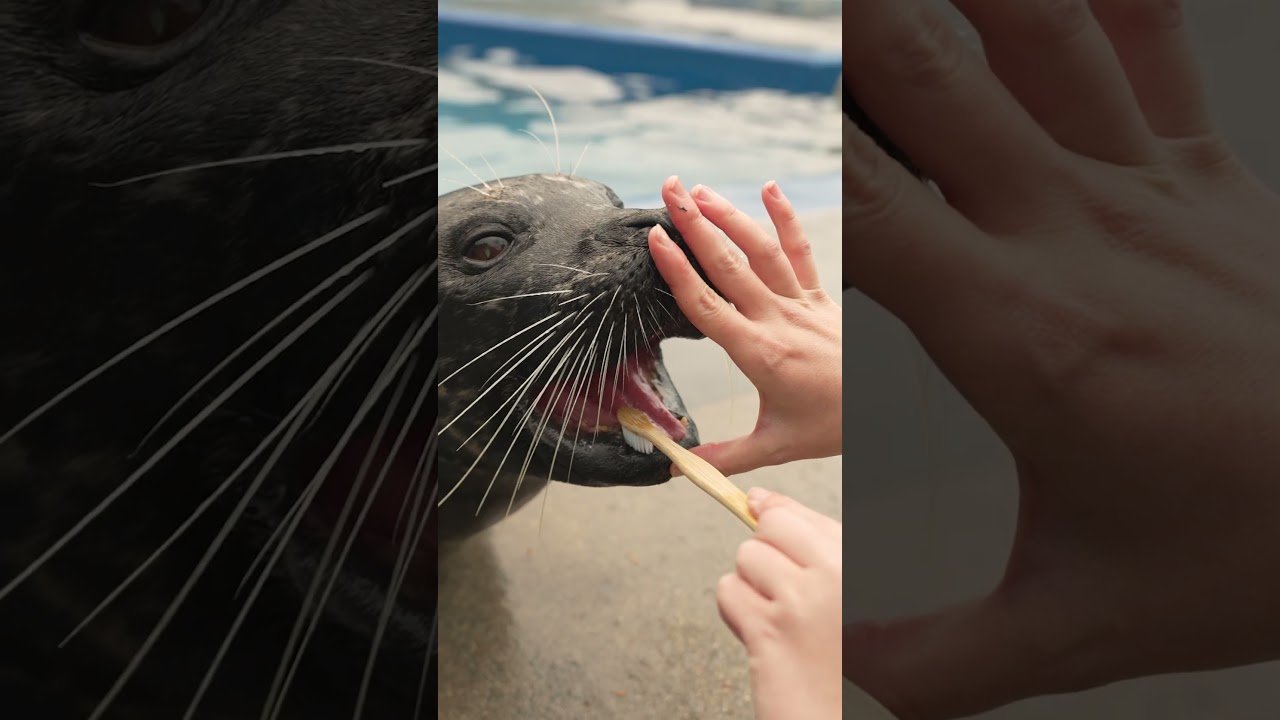
- Understanding the Importance of Seal Oral Hygiene in Conservation
- Techniques and Practices for Brushing Seal Teeth
- The Role of Zoos in Promoting Seal Dental Health
- Insights from Zoology and Wildlife Conservation
- The Connection Between Seal Dental Care and Overall Animal Well-being
Understanding the Importance of Seal Oral Hygiene in Conservation
Seal teeth brushing might sound unusual, but it plays a critical role in animal care and conservation. Oral hygiene in seals is not merely about aesthetics—it’s a vital aspect of their health. Dental diseases can lead to serious conditions that affect feeding and immune function. In natural settings, seals would wear down their teeth on bones and rough surfaces, but in controlled environments like zoos, these natural processes are limited.
Without dental care, seals can suffer from plaque buildup, gum disease, and tooth decay. These issues can cause pain and prevent proper nutrition, potentially resulting in larger systemic health problems. This highlights the essential role of zoology and veterinary science in wildlife management, where regular health assessments are combined with practices such as teeth brushing to promote longevity and quality of life in captive seals.
In conservation, understanding these health needs allows for better care of both captive and wild populations. It can inform rehabilitation practices and reintroductions, ensuring seals are released back into the wild with the best chance of survival.
Techniques and Practices for Brushing Seal Teeth
The practice of brushing seal teeth involves specific training and collaboration between zookeepers and veterinary staff. Initial trust-building exercises are crucial. These are designed to acclimate the animals to human touch and the tools used during dental care. Positive reinforcement is the cornerstone of this training, with treats and calming interactions serving as rewards.
Professional-grade toothbrushes and animal-safe toothpaste are used to clean their teeth. The process usually happens at least once a week, depending on the individual health needs of each animal. The equipment is adapted to accommodate the size and shape of a seal’s mouth. Brushes with longer handles or softer bristles are often preferred to maximize reach and minimize discomfort.
During a session, the seal is guided to rest its head on a platform. This position enables the caretaker to access the animal’s mouth comfortably. Throughout the procedure, careful attention is given to signs of discomfort, ensuring stress levels remain low. This aspect underscores the significance of empathy and patience in zoo management practices.
The Role of Zoos in Promoting Seal Dental Health
Zoos perform crucial functions beyond simple exhibition. They act as research centers and conservation hubs, focusing on species preservation and public education. Within these institutions, the dental health of seals is a component of comprehensive animal care programs aimed at fostering wellness and preventing disease.
Zoological experts develop individualized plans for each animal. These plans are informed by continuous monitoring and scientific research. By maintaining optimal health conditions, zoos contribute to the broader conversation around conservation strategies and species longevity. The involvement in these practices emphasizes the proactive role zoos play in wildlife conservation, moving beyond preservation to active engagement in health and welfare.
Programs often include public demonstrations of seal teeth brushing. These sessions serve dual purposes: they provide necessary care while educating the public about the species’ needs and the importance of conservation. Visitors gain insights into animal care routines, fostering a deeper connection and understanding of the challenges and commitments involved in wildlife stewardship.
Insights from Zoology and Wildlife Conservation
Zoology extends its insights into numerous aspects of animal care, always prioritizing health and adaptability. In the context of seals, research highlights how oral health influences broader physiological systems. By studying the intricacies of a seal’s anatomy and dietary habits, experts can devise methods to alleviate health issues related to captivity.
Teeth brushing in seals also connects to conservation tactics in natural habitats. For example, observations from captivity can inform wild seal monitoring projects, identifying markers of dental health decline and allowing for timely intervention. The crossover between captive care and wild populations is significant, promoting conservation by creating pathways for continuous health monitoring and emergency care when needed.
Such integration of knowledge and method exemplifies a commitment to scientifically informed conservation practices, ensuring animal welfare is elevated alongside species preservation.
The Connection Between Seal Dental Care and Overall Animal Well-being
Dental care is an integral part of holistic animal well-being. A seal’s ability to feed, socialize, and perform natural behaviors all ties back to its overall health status, of which teeth brushing is a part. Habitats are enriched with these practices, fostering environments that accommodate behavioral needs while maintaining physical health.
Ensuring proper dental hygiene in seals supports their physical functionality and contributes to their mental health. Stress reduction strategies embedded in dental care routines extend to other facets of zoo management.
Through consistent and compassionate interventions, zookeepers and conservationists forge pathways towards a world where animal welfare is prioritized alongside conservation. This holistic approach does not only augment the quality of life for captive animals but also builds a framework for stronger, healthier populations in the wild.
*****
Source Description
It’s Teefer Tuesday! 🦷✨ Harbor seals only get one set of teeth in their lifetime, so our Animal Care Team prioritizes gentle dental checkups and brushing, sometimes even right in the water for a fun change of scenery. Caring for their pearly whites helps support their long-term health.
