
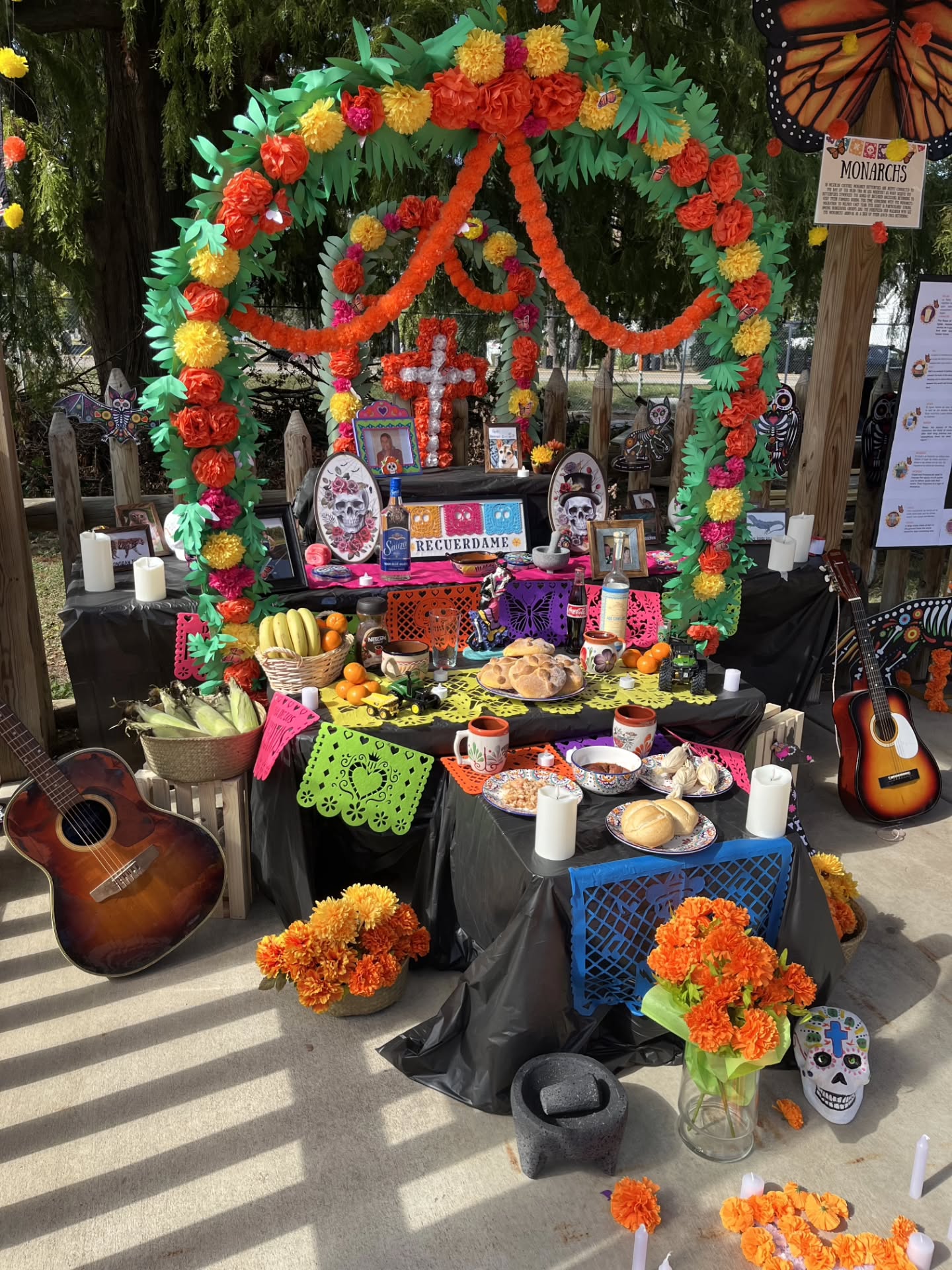
- Appreciate the cultural significance of Monarch butterflies.
- Explore the biological and ecological aspects of Monarchs.
- Discuss the conservation efforts directed toward Monarch butterfly populations.
- Highlight the value of community engagement in wildlife events.
- Reflect on the contributions of events like Dia de Las Monarcas in education and awareness.
The Dia de Las Monarcas event served as a vibrant opportunity to celebrate Monarch butterflies and their deep-rooted significance across various cultures. Monarchs are not just visually striking; they embody complex narratives surrounding migration, ecological balance, and cultural traditions. Their lifecycle and behaviors have inspired numerous celebrations, serving as a tangible connection between people and nature.
Monarch butterflies are renowned for their long migratory journey, spanning thousands of miles from North America to the mountainous regions of Mexico. This journey is not merely a biological feat; it mirrors the themes of resilience and change that resonate in many cultures. In Mexico, Monarchs are considered spiritual messengers, believed to return each year carrying the souls of departed loved ones. This meaningful connection adds depth to the event, transforming a simple celebration into a profound cultural commemoration.
From a biological standpoint, Monarchs undergo a remarkable transformation known as metamorphosis. Starting as tiny eggs laid on milkweed, they progress through various larval stages before entering the pupal stage as chrysalises. This incredible transformation speaks to their resilience and adaptability in the natural world. Monarchs play a crucial ecological role, notably in pollination, contributing to the health of numerous plants and ecosystems. Their reliance on milkweed plants for nourishment during their larval stages highlights the interdependencies in nature, which are vital for maintaining biodiversity.
Conservation has become a pressing issue for Monarch butterfly populations. Over recent decades, urbanization, pesticide use, and climate change have resulted in significant declines in their numbers. Habitat loss is one of the most critical threats facing these butterflies, as both migration and breeding grounds are disappearing. Organizations and community initiatives work tirelessly to create habitats that support Monarchs, such as planting milkweed and other nectar-producing flowers. Events like Dia de Las Monarcas foster awareness and encourage community involvement, emphasizing the importance of local action in global conservation efforts.
Engaging the community is crucial in promoting the importance of wildlife conservation. Events, such as Dia de Las Monarcas, provide a platform for education and engagement. They invite individuals of all ages to connect with nature, learn about local biodiversity, and understand the implications of individual choices on ecosystems. Cultivating a sense of stewardship encourages attendees to adopt sustainable practices in their own lives, thus amplifying the impact of conservation efforts.
Moreover, events like this serve as a reminder of our shared responsibility to conserve and protect these vital species. Information stations at the event may include displays on the biology of Monarch butterflies, conservation efforts, and interactive activities that help participants understand their role in preserving biodiversity. Such hands-on education enhances retention and fosters a deeper appreciation for the natural world.
The contributions from volunteers and event coordinators like Silvia, who actively engage participants, are invaluable. Their efforts play a critical role in shaping the event’s success. Volunteers may organize activities ranging from butterfly art stations to guided nature walks, ensuring diverse experiences for all attendees. This collaborative spirit amplifies the educational impact of the event, laying a foundation for ongoing environmental stewardship.
In recognizing the significance of Monarch butterflies, we engage with themes that transcend science. They embody resilience in migration, reflect cultural narratives, and represent the delicate balance of ecosystems. Promoting awareness around these aspects is paramount to fostering appreciation for wildlife conservation and ensuring that future generations inherit a vibrant natural world.
All those who attended the Dia de Las Monarcas event contributed to a richer community understanding of the Monarch butterfly’s significance. Not only does this awareness raise valuable funds for conservation efforts, but it also enhances the cultural fabric of communities by recognizing their interconnectedness with nature. Participants at the event may have left with not just knowledge but with a renewed sense of purpose to protect these vital species.
In terms of ongoing efforts, individuals can become more actively involved by supporting local conservation organizations or initiating butterfly-friendly garden projects. Cultivating milkweed and native flowering plants can significantly contribute to sustaining Monarch populations while enhancing local biodiversity. Even small actions can yield substantial impacts when adopted by many individuals.
The interplay of culture, biology, and conservation offers many avenues for exploration and understanding. By fostering connections with nature and promoting educational opportunities, communities can generate excitement for wildlife preservation and encourage responsible participation in environmental stewardship.
Reflecting on such events, it is clear that they play a pivotal role in weaving threads of knowledge, cultural recognition, and conservation action together. The Dia de Las Monarcas was not just an event; it was a celebration of life, culture, and the ongoing work necessary to preserve the wonders of the natural world. By coming together to champion Monarch butterflies, individuals and communities can turn awareness into action, creating a brighter future for these remarkable creatures.
As we look ahead, the importance of collaborating with local schools, organizations, and citizens remains clear. Engaging students in Monarch butterfly projects, such as tagging programs or classroom projects about their lifecycle, can ignite curiosity and commitment to the environment. Educational outreach may not only cultivate future conservationists but also inspire broader societal shifts towards sustainability.
Creating a network of butterfly enthusiasts and advocates is essential for the ongoing fight to protect Monarch populations. By sharing success stories, best practices, and new research findings, communities can stay informed and motivated in their conservation efforts.
The core of the Dia de Las Monarcas event lies in the celebration of interconnectedness, reminding us of the beauty and wonder of nature. Monarch butterflies symbolize a delicate balance that must be maintained through conscious efforts in conservation and education. By celebrating and advocating for these ecological treasures, we contribute to a healthier planet for all living beings.
The collaborative spirit seen at the Dia de Las Monarcas event embodies the essence of community engagement. When people unite for a common cause, such as protecting Monarch butterflies, they pave the way for significant change. It highlights the power of collective passion, lifting voices that may otherwise go unheard in the conversation around conservation.
As more people engage with nature through events like this, they develop an understanding of the responsibilities we all share in preserving our natural heritage. Such community-oriented initiatives cultivate not just awareness but a lifelong dedication to stewardship of the environment, for the benefit of both current and future generations.
*****
Source Description
Thank you to all who came out to our Dia de Las Monarcas event! It was a beautiful day to celebrate Monarch Butterfiles and what they mean to different cultures.
📷 Events and Volunteer Coordinator Silvia
