
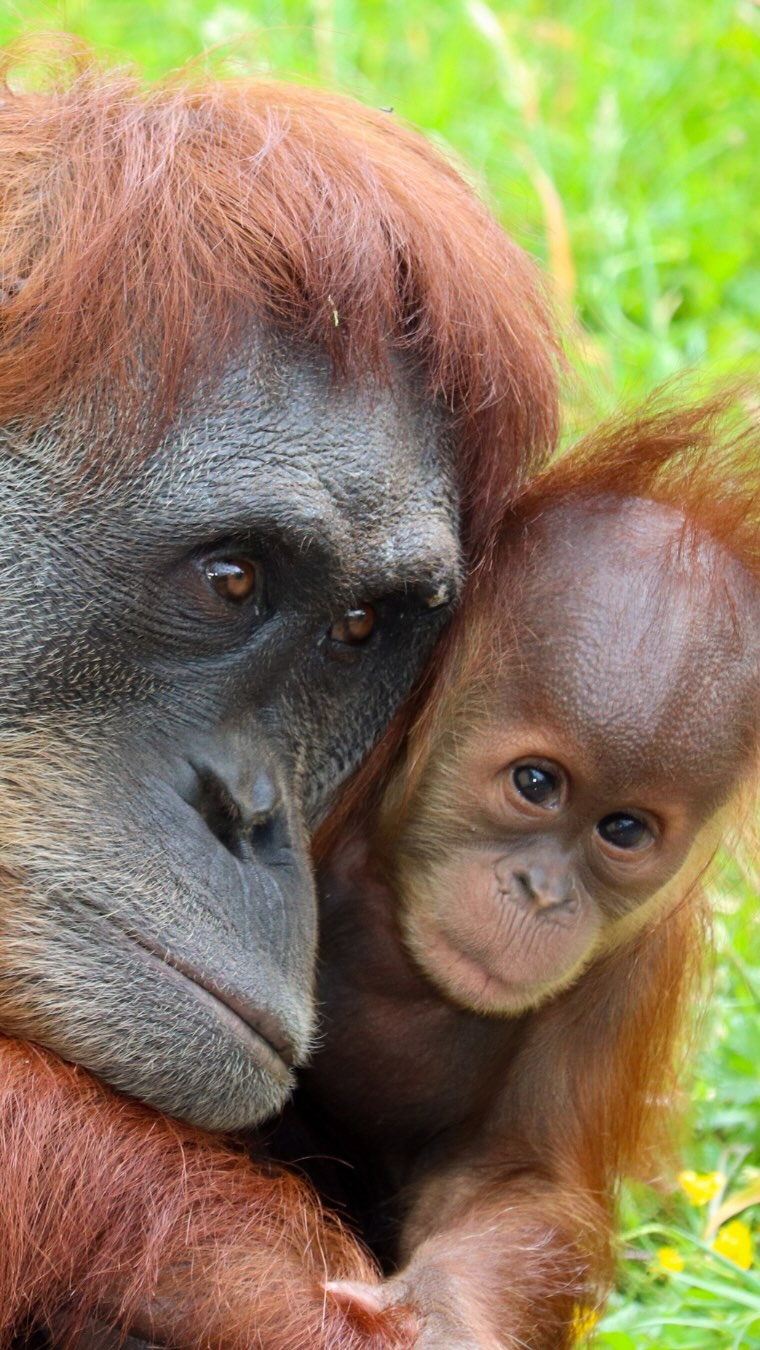
- Importance of Mothers in Wildlife: Focus on Mother-Child Bonds
- Enrichment Activities at Zoos: Benefits for Animals
- The M.O.M (Missing Orangutan Mothers) Campaign: Conservation Efforts
- Community Engagement in Wildlife Conservation: Events like Mother’s Day at the Zoo
- The Role of Zoos in Animal Care and Education
Celebrating Mother’s Day at the zoo offers a unique opportunity to reflect on the role of mothers in both human society and the animal kingdom. Just like in our homes, mothers in the wild play a critical role in nurturing and teaching their offspring. This relationship is especially significant for species such as orangutans, where maternal care is essential for the survival of the young. The bond between mother and child is strong, characterized by extensive care and social learning. Mothers guide their offspring in using tools, foraging, and navigating their environment, imparting invaluable skills that will aid their survival.
In a zoo setting, like the one celebrating Mother’s Day this year, visitors are treated to a lively demonstration of enrichment activities designed for animals. Enrichment is a crucial aspect of zoo management, enhancing the well-being of animals while providing them with mental and physical stimulation. The activities at this event included treat-filled wrapped boxes, ice pops shaped like cakes, and a variety of melons. These initiatives allow animals to engage in natural behaviors, such as problem-solving and foraging. For instance, the animals showcased their dexterity and intelligence as they interacted with the treat-filled boxes, enhancing their overall quality of life.
The importance of enrichment activities cannot be overstated. Many species suffer from boredom and stress when kept in captivity. Effective enrichment not only promotes healthier animals but also reflects positively on the conservation message that zoos aim to convey. Providing stimulating activities addresses the psychological needs of animals, ensuring they lead fulfilling lives even in a controlled environment. By watching animals like Ibu, Khalessi, and Zaini enjoy their treats, visitors gain a profound appreciation for the complexity of animal behavior. This engagement fosters a sense of responsibility toward wildlife conservation.
As part of this celebration, the M.O.M (Missing Orangutan Mothers) campaign receives special attention. Launched by organizations such as Orangutan Outreach, this initiative highlights the challenges faced by orphaned orangutans due to habitat loss, human conflict, and illegal poaching. Orangutans typically live in complex social structures and rely heavily on their mothers for survival. When these mothers are lost, the young face a grim future, often ending up in rehabilitation centers or, worse, the illegal pet trade.
The M.O.M. campaign serves a dual purpose: raising awareness about the life-threatening issues orangutans face and encouraging people to take action. By fostering greater understanding of the mother-offspring relationship in orangutans, the campaign inspires support for rescue organizations and habitat conservation efforts. Individuals can help by promoting sustainable practices, participating in fundraising events, or simply spreading the word about the plight of these animals.
Community engagement is vital for wildlife conservation. Events like Mother’s Day at the zoo bridge the gap between the public and significant global issues. They provide families an opportunity to spend quality time together while also immersing themselves in educational experiences. Such events educate visitors on the importance of protecting wildlife and inspire action in their personal lives. Engaging activities, like observing animal enrichment or learning about conservation campaigns, empower people to make a difference.
The role of zoos has evolved significantly over the years. No longer are they merely places of entertainment; they have become critical centers for education, research, and conservation. Zoos contribute to wildlife preservation efforts by participating in breeding programs for endangered species, conducting scientific research, and educating the public about the importance of biodiversity. For instance, many zoos actively collaborate with conservation organizations, focusing on habitat restoration, anti-poaching initiatives, and sustainable development.
One of the most admirable aspects of zoos is their commitment to species survival. By carefully managing their animal populations, zoos can help mitigate the effects of habitat destruction and climate change. They often join networks for breeding endangered species, allowing for genetic diversity and population sustainability.
Whether attending events like Mother’s Day at the zoo or simply visiting for educational purposes, the public plays a crucial role in this effort. Financial support through attendance fees helps fund conservation projects, maintenance of animal habitats, and educational programming. Knowing that your visit directly contributes to wildlife preservation can make it even more rewarding.
On Mother’s Day, families have the chance to bond over shared experiences while learning how to support wildlife. Parents can engage their children in conversation about animal care and conservation, fostering a new generation of wildlife advocates. Whether it’s watching animals play with their enrichments or discussing the impact of habitat loss on orangutans, these experiences cultivate empathy and awareness.
In summary, Mother’s Day at the zoo exemplifies the interconnectedness of human and animal experiences. The emphasis on mother-child relationships, particularly in species like the orangutan, reinforces the value of understanding and protecting wildlife. From the role of maternal care in animal development to the importance of enrichment activities, events like these promote awareness and inspire meaningful action.
Organizations like Orangutan Outreach highlight the need to support conservation efforts aimed at protecting orphaned orangutans and their habitats. By participating in such initiatives, the community can contribute to a more sustainable future for both wildlife and humans. Active engagement in events supports the broader mission of zoos and conservation groups, ensuring that essential lessons about empathy, stewardship, and conservation resonate long after the celebration ends.
As we reflect on the joys of Mother’s Day spent at the zoo, let us carry forward the insights gained. By understanding the significance of maternal bonds in the wild, recognizing the importance of animal enrichment, and actively participating in global conservation efforts, we help pave the way toward a better future for wildlife, including our beloved orangutans.
By championing causes like the M.O.M campaign and celebrating shared experiences with animals in captivity, we embrace our role as caretakers of the planet. Together, we can strive for a world where both mothers and their young, whether human or animal, thrive.
*****
Source Description
💐🌷❤️Thank you all for coming to celebrate Mother’s Day at the Zoo!
Enjoy Ibu (mom), Khalessi (10 yr. old daugher), and Zaini (2 yr. old son) as they go thru their enrichment: treat-filled wrapped boxes, ice pops w/jello jigglers in the shapes of cakes 🍰 in different colors, melons, and more.
Please visit @Orangutan Outreach to learn more about the 🦧M.O.M (Missing Orangutan Mothers) campaign. The M.O.M. Campaign is a global initiative that brings attention to the plight of orphaned orangutans and the crisis facing these animals in the wild. The campaign aims to raise awareness about the impact of deforestation, human-orangutan conflict, and the illegal pet trade on orangutan mothers and their young. By highlighting the importance of the orangutan mother-child relationship, the campaign encourages people to take action to support organizations like @orangutanoutreach which provide care for orphaned orangutans and work to protect their habitat.
