
- The importance of community in wildlife conservation
- Understanding biodiversity and its significance
- Challenges faced by conservationists today
- The role of education and advocacy in conservation
- The future of wildlife conservation: trends and predictions
Wildlife conservation is a cooperative effort that brings together individuals, organizations, and communities passionate about protecting our planet’s natural resources and diverse species. This article discusses the critical role communities, including hopeful conservationists, play in conservation efforts and highlights the essential aspects of biodiversity and education.
The importance of community in wildlife conservation cannot be overstated. Communities serve as the backbone for many conservation initiatives. When individuals unite around a common goal, such as protecting endangered species or restoring habitats, they create a powerful force for change. Local communities often have historical connections to their environment, possessing knowledge passed down through generations. This indigenous wisdom is invaluable in designing effective conservation strategies.
Working with local stakeholders is crucial for successful conservation projects. Residents understand their environment better than outsiders, allowing for more informed decisions about land use and resource management. For instance, involving communities in managing natural resources ensures that conservation efforts align with the populations’ needs, fostering stewardship and increasing support for initiatives. An engaged community also enhances monitoring efforts, as local individuals can provide real-time insight into the status of wildlife populations and ecosystems.
Biodiversity is a critical aspect of conservation, reflecting the variety of life on Earth. It encompasses all living organisms, from the smallest microorganisms to the largest mammals. The significance of biodiversity lies in its contribution to ecosystem stability, resilience, and functionality. Each species plays a role in its ecosystem, and the loss of even one can have cascading effects. For example, removing a keystone species, such as sea otters in coastal areas, can lead to algal blooms that suffocate other marine life, disrupting entire marine ecosystems.
Maintaining biodiversity is also imperative for human well-being. Biodiverse ecosystems provide essential services, including clean water, pollination of crops, and carbon sequestration. Research indicates that ecosystems rich in species are more capable of withstanding environmental changes, such as climate fluctuations. Efforts to preserve biodiversity must prioritize protecting habitats, as habitat destruction is one of the primary threats to species loss. Protecting areas known for their rich biodiversity, such as tropical rainforests and coral reefs, is vital for sustaining both wildlife populations and human communities.
Despite significant strides in the conservation field, challenges persist. Climate change poses a profound threat to wildlife and ecosystems around the globe. Rising temperatures, changing precipitation patterns, and extreme weather events can disrupt habitats and migration patterns. Additionally, pollution, poaching, and habitat destruction due to urban development and agriculture further exacerbate persistent issues in wildlife conservation.
The role of education and advocacy within conservation efforts is crucial. Awareness campaigns can mobilize public interest and support for wildlife causes, encouraging individuals to engage in local conservation activities. Education programs can also instill a sense of environmental responsibility in young people, promoting a culture of conservation. Schools and educational institutions can play a pivotal role in integrating wildlife conservation into their curricula, fostering the next generation of conservationists.
Advocacy efforts often focus on policy change. Advocates work tirelessly to influence legislation on environmental protections and funding for conservation projects. These initiatives can result in the establishment of protected areas or the implementation of sustainable practices in agriculture and forestry. Public engagement is a powerful tool, allowing citizens to voice their opinions on biodiversity protection and climate action.
As we look to the future of wildlife conservation, various trends and predictions can inform our approach. Technological advancements play a vital role in shaping modern conservation strategies. Tools such as satellite imagery, drones, and advanced data analytics enable researchers to monitor wildlife populations and habitats more effectively. Conservationists can also employ genetic studies to understand animal health and evolution better.
Climate adaptation strategies are becoming increasingly relevant. These initiatives seek to equip wildlife with the means to adjust to changing environments. By identifying and protecting critical corridors for migration, conservationists can help species reach more suitable habitats. Strategies such as assisted migration, where species are moved to regions where they may thrive, have started to gain traction.
Community engagement will remain a cornerstone of wildlife conservation efforts. As the impacts of climate change become more pronounced, collaboration between scientists, local residents, and policymakers will be essential. Building resilient communities that can adapt to environmental changes while advocating for wildlife protections will be necessary for long-term conservation success.
In reflecting on the journey of conservation, it is clear that individuals are at the heart of these efforts. Supportive communities, along with education and advocacy, form the foundation upon which effective conservation thrives. As we approach 2026 and beyond, may our commitment to protecting our planet and its remarkable creatures inspire us all to continue the vital work of conservation. Each one of us can take proactive steps to ensure that future generations inherit a vibrant, diverse, and flourishing planet.
*****
Source Description
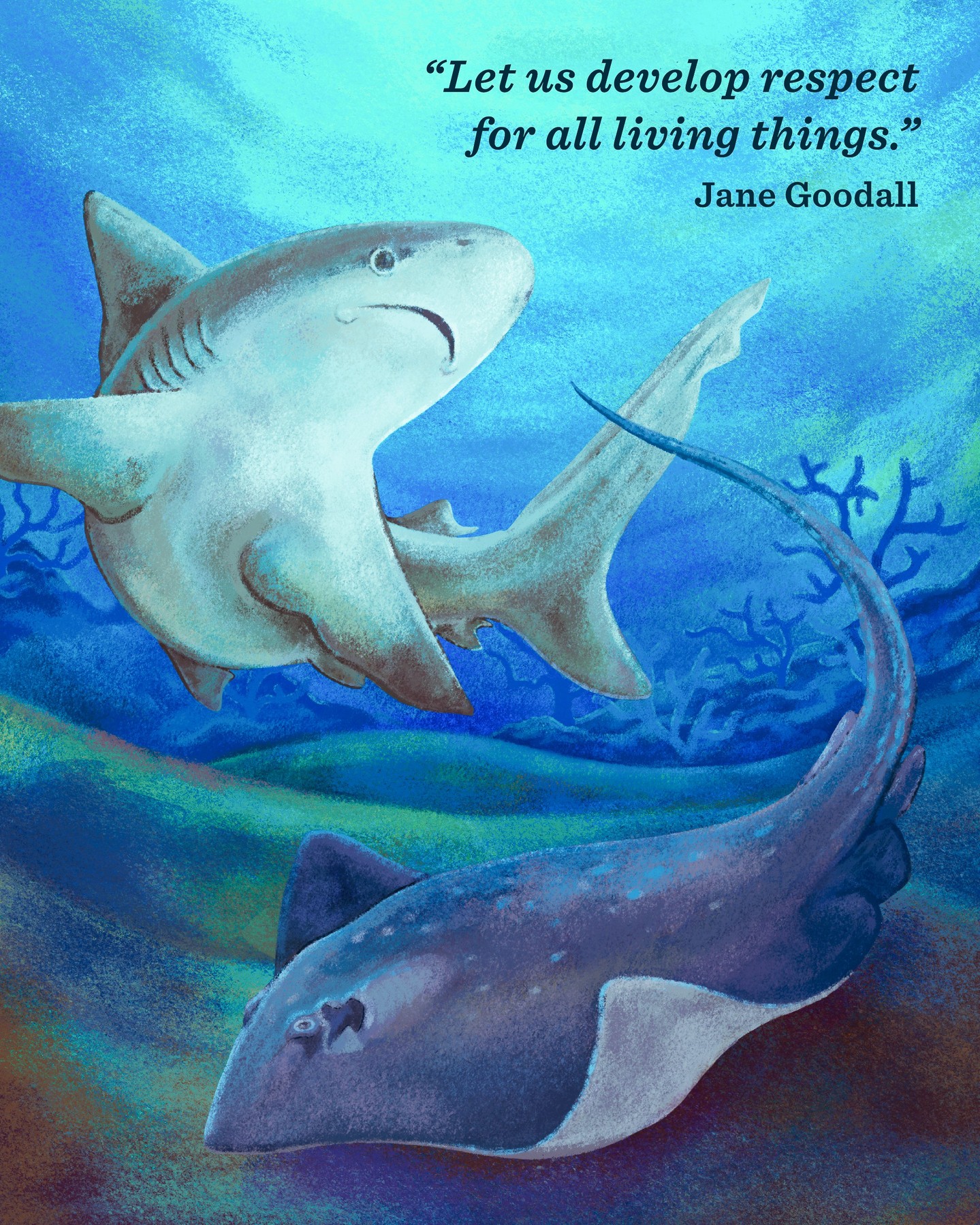
Thank you for being part of our community of hopeful conservationists who care deeply about creatures great and small, and about our beautiful blue planet. 💙 We hope 2026 brings good things to you and to the people, places and animals you care about most.
