
- The importance of invasive species management for ecosystem health.
- Overview of the specific actions taken during the Trunk Island cleanup.
- The significance of native plant restoration and its ecological benefits.
- The role of organizations like Strategic Risk Solutions in conservation efforts.
- Acknowledging volunteer contributions and fostering community in conservation.
Effective management of invasive species is critical for maintaining the health of ecosystems. Invasive plants and animals can outcompete native species for resources, disrupt habitats, and alter the dynamics of local environments. The recent efforts by the BZS Conservation team, in collaboration with Strategic Risk Solutions (SRS), on Trunk Island exemplify firsthand the importance of invasive species management. By removing invasive growth, the team enhances factors that are crucial for the growth and survival of native species.
During the cleanup, volunteers from SRS worked diligently to clear invasive plants that had begun encroaching on valuable habitats. Areas located behind the beach were targeted, allowing for more sunlight and nutrients to reach the soil. The removal of these invaders not only creates room for desired plants but also balances the overall ecosystem dynamics. This proactive approach is essential because invasive species often spread rapidly, making earlier interventions much more effective in the long run.
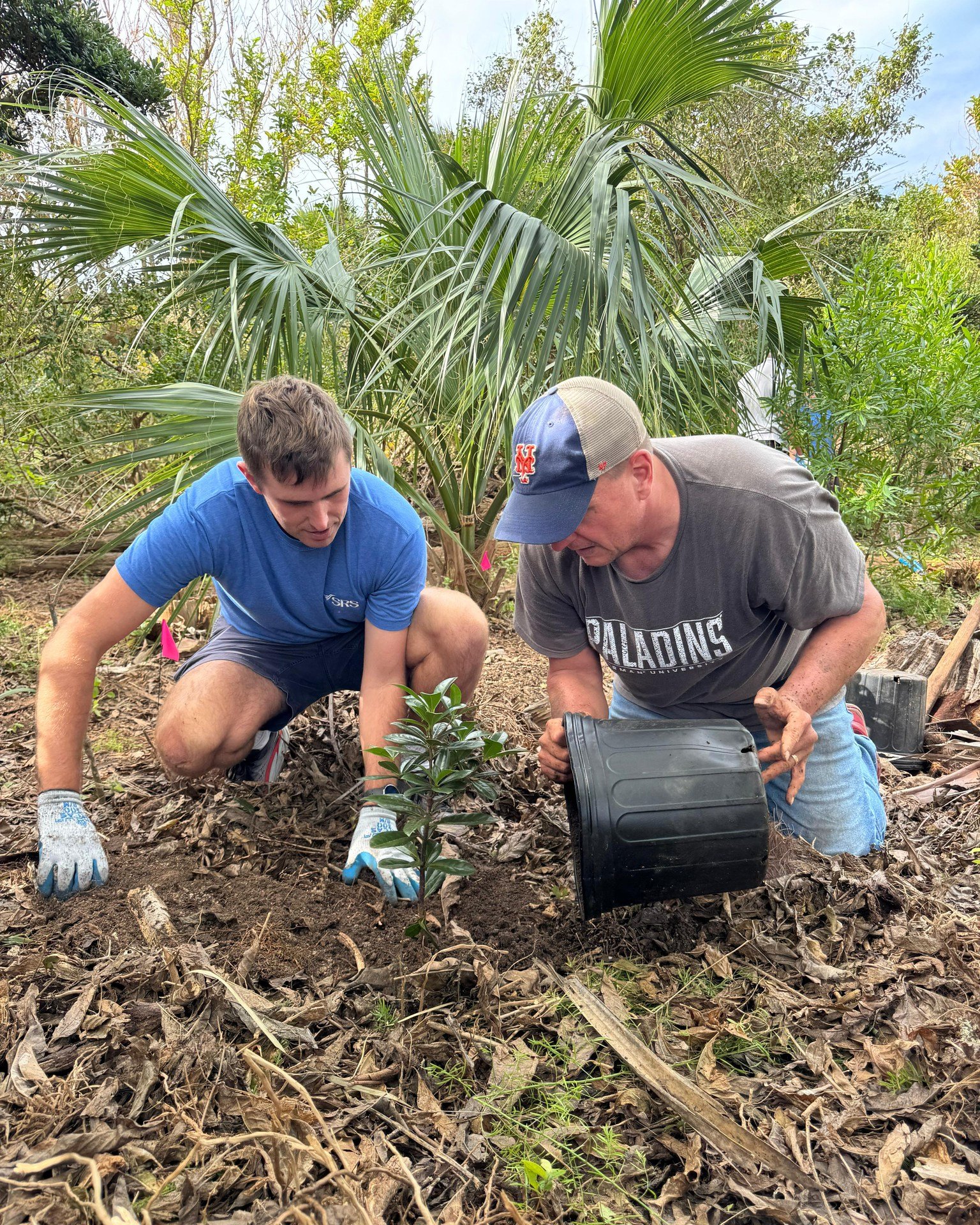
The team’s efforts were not limited to mere removal. With the invasive species gone, they set about planting native flora, including olivewood, palmettos, and wax myrtle. Native plants play an essential role in their ecosystems. They provide food, shelter, and habitat for native wildlife, while also promoting soil health. The planting of these species contributes to the preservation of local biodiversity, which is a key factor in ecological resilience. Biodiversity acts like a safety net for ecosystems, allowing them to adapt to changes like climate fluctuations or disease outbreaks.
Invasive species also impact human interests, including agriculture, fishing, and tourism. The management of these species helps to protect not just natural habitats but also the economic interests of local communities. When ecosystems function well, human communities benefit from cleaner water, fertile soils, and vibrant recreational areas. The partnership between BZS Conservation and Strategic Risk Solutions underscores the interconnectedness of environmental stewardship and community well-being.
The efforts made on Trunk Island highlight the significance of community involvement in conservation. Organizations like SRS contribute by providing resources, expertise, and manpower, thus amplifying the impact of conservation initiatives. This partnership reflects a collaborative spirit that can help overcome challenges associated with wildlife conservation. Engagement from businesses and community members fosters a shared sense of responsibility for the environment.
Volunteers feel a sense of accomplishment when they contribute to meaningful projects such as these. This collective experience enhances community ties and encourages future participation in conservation efforts. Enthusiasm for these initiatives often grows as people witness the tangible results of their work. Such participation serves as an important educational tool, enabling people to learn about ecological issues while getting hands-on experience.
Taking care of well-loved areas, such as Trunk Island, reveals a broader understanding of ecological stewardship. Cleaning up these spaces brings not only aesthetic improvements but also ecological recovery. The removal of trash and debris supports species that might otherwise be negatively impacted by human activity. Healthy ecosystems serve as crucial buffer zones against climate change, flooding, and other environmental disturbances.
The work carried out on Trunk Island also raises awareness about the fragility of island ecosystems. Island habitats are often more vulnerable to the effects of invasive species due to their isolated nature. Many native species found on islands have evolved without predators or competition and can be significantly affected when invasive species are introduced. Therefore, preserving these ecosystems has far-reaching implications, including global biodiversity conservation and the protection of endemic species.
There is a growing body of research supporting the notion that local conservation efforts can have a global impact. By restoring ecosystems and enhancing local biodiversity, the benefits extend beyond immediate surroundings. Healthy ecosystems can serve as significant carbon sinks, which contribute to the mitigation of climate change—a critical issue today. Moreover, conservation initiatives support scientific research, including studies on climate resilience, habitat restoration, and sustainable practices that benefit local communities.
The partnership between BZS Conservation and SRS is a fine example of how different organizations can come together for a common goal. SRS’s expertise in risk management provides an added layer of strategy to conservation efforts. Their involvement helps ensure that projects are carried out efficiently and effectively. This strategic support is invaluable when addressing the multifaceted challenges that conservation efforts often face. By pooling resources and expertise, organizations can maximize the impact of their efforts.
In addition to environmental benefits, there is also a social aspect to these initiatives. Engaging in conservation foster dialogue around environmental issues among community members, which can lead to a greater understanding of global challenges. Educational outreach combined with hands-on activities can encourage individuals to become lifelong advocates for the environment. This holistic approach to conservation cultivates an informed public that is aware of the importance of preserving natural ecosystems.
The Trunk Island efforts exemplify how targeted actions yield significant results. Each plant removed and each native plant put in the ground adds to a larger narrative of ecological restoration. The emotional connection people feel towards specific habitats can drive conservation efforts, encouraging them to advocate for environmental policies that protect these spaces. As participants reflect on their contributions, it can lead to increased support for future initiatives.
The appreciation extended to the SRS team speaks volumes about the collaborative nature of conservation work. Recognizing the value of volunteer contributions fosters an environment of gratitude and shared commitment. It is this sense of community that builds momentum for ongoing conservation efforts. Projects that involve multiple stakeholders tend to yield better results, as the diverse perspectives also contribute to more innovative solutions.
Remaining actively involved in local environmental issues makes a tangible difference. Engaging with conservation initiatives can be a fulfilling way to learn more about local ecology while contributing to larger conservation goals. The small actions taken by individuals can collectively lead to impressive outcomes. Participation cultivates a culture of respect and care for local ecosystems.
Collaborative conservation serves as a reminder that protecting the environment is a shared responsibility. Each effort counts, and the success seen on Trunk Island is a testament to the power of teamwork. It highlights how organizations, volunteers, and community members can work together for a common cause. The importance of these collaborative efforts cannot be overstated, as they lay the foundation for impactful conservation initiatives moving forward.
Understanding the intricate balance of ecosystems and the role of invasive species aids in the broader narrative of wildlife management and conservation. Education and community involvement remain critical in navigating the challenges of conservation. The actions on Trunk Island reflect a microcosm of larger trends in environmental stewardship and sustainability that must continue to evolve and adapt to the rapidly changing world.
*****
Source Description
A big thank you to @strategicrisksolutions for joining the BZS Conservation team on Trunk Island last week.
The team cleared out invasive growth behind the area of the beach on Trunk, making room to plant, including olivewood, palmettos and wax myrtle. They also accomplished cleaning up this well-loved area of the island and helping to ensure an environment for natives and endemics to thrive!
We appreciate your support, team SRS!
