
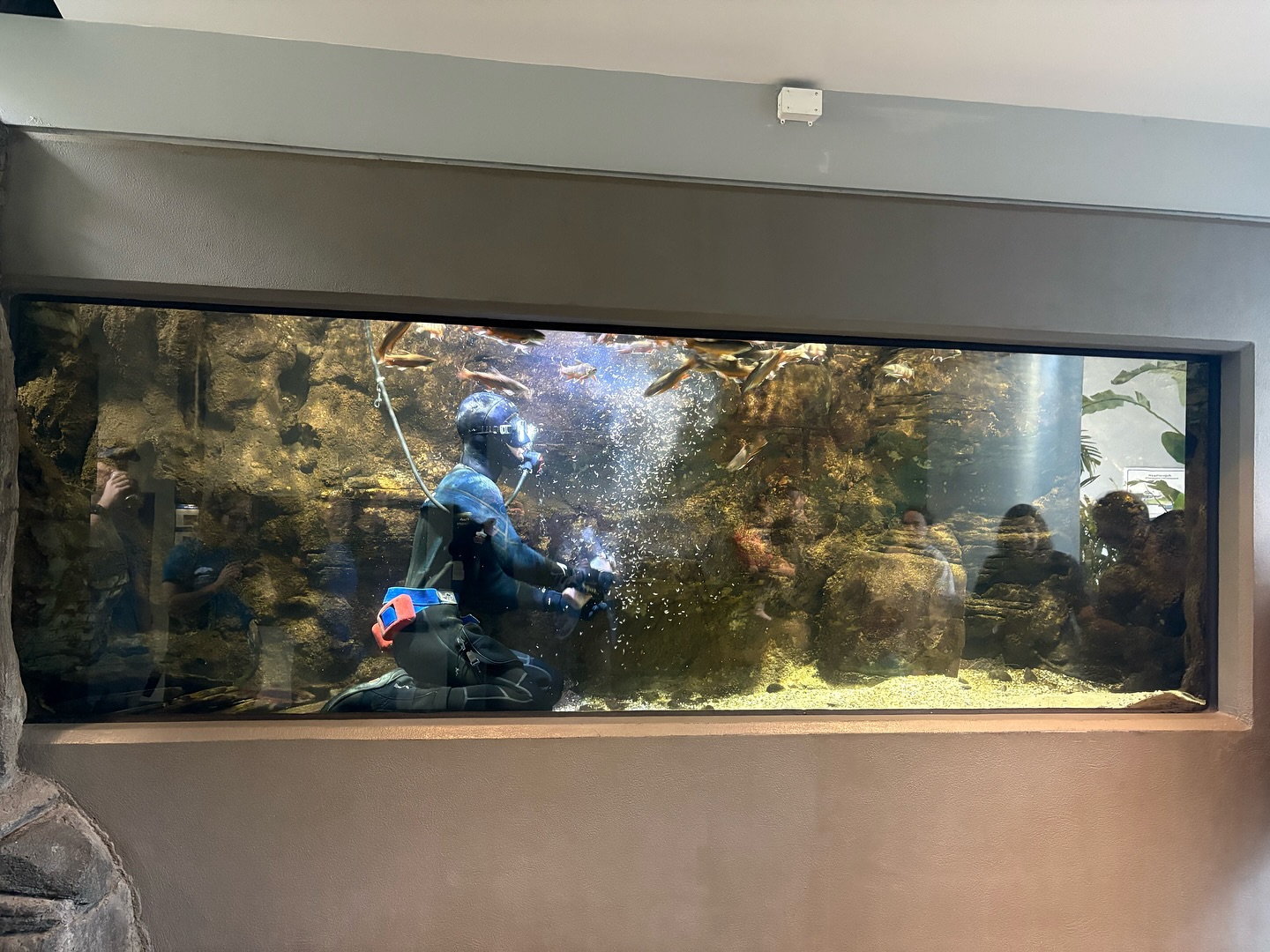
- The significance of rivers in ecosystems and human life
- Celebrating International Action Day for Rivers with engaging activities
- Educational efforts in wildlife conservation at zoological facilities
- The role of community engagement and sponsorship in conservation
- Encouraging ongoing participation in conservation efforts
Rivers hold an essential place in both ecosystems and human society. They serve as vital sources of fresh water, habitat for countless organisms, and corridors for biodiversity. Rivers support a vast array of plant and animal life while also providing recreational opportunities and resources for agriculture and industry. However, pollution, climate change, and habitat destruction are threatening these waterways. International Action Day for Rivers aims to raise awareness of these issues and promote actionable solutions to protect and restore our rivers.
The celebration of International Action Day for Rivers at the zoo brought together community members, families, and conservation enthusiasts for a day dedicated to education and empowerment. The sunny atmosphere provided the perfect backdrop for various activities, including dives, special enrichment displays, touch tables, and keeper chats. Participants got to see firsthand how their local zoo incorporates education around river conservation into its programming. These interactions not only foster a sense of enjoyment but also deliver important information about the ecological importance of rivers.
Engagement with educational resources is critical in developing an informed public that supports wildlife conservation and river protection initiatives. Activities like keeper chats give visitors direct access to the expertise of zoo professionals who dedicate their careers to wildlife education and conservation. These discussions often cover topics related to the animals living in and around riverine ecosystems. For example, understanding the life cycles of fish species or the feeding behaviors of river otters can illuminate the interconnectedness of animal species and their habitats.
Touch tables are particularly effective for interacting with participants of all ages. By enabling individuals to physically engage with items related to rivers—such as river stones, fish scales, and aquatic plants—these installations spark curiosity and create avenues for deeper understanding. Children learn about the textures, colors, and roles of different organisms in river ecosystems, building a connection to these environments. This tactile experience not only aids learning but also encourages a sense of stewardship for natural resources.
In addition to these interactive experiences, dives featuring trained animals demonstrate aspects of river life. Such demonstrations can notably include fish feeding sessions or waterbird displays, showcasing the key adaptations that allow these species to thrive in their aquatic environments. These performances emphasize the importance of preserving river habitats, illustrating how the decline of biodiversity is directly linked to the degradation of these ecosystems.
The event was made possible through the generous sponsorship of @peoplesnatgas, which reflects a commitment to community engagement and environmental responsibility. Partnerships like this not only provide vital funding but also integrate conservation into corporate social responsibility efforts. By aligning business practices with conservation goals, organizations can advocate for sustainable practices that support local ecosystems, including rivers.
Community participation is essential to the success of wildlife conservation initiatives. Events like International Action Day for Rivers promote a culture of environmental responsibility, inviting families and individuals to contribute to conservation efforts. Public programming helps build a network of conservation-minded citizens who can advocate for policies that protect waterways and foster biodiversity. Moreover, learning how to make small changes in daily habits—such as reducing plastic use and properly disposing of waste—can collectively lead to significant positive impacts.
To continue promoting environmental awareness, it is crucial for zoos and aquariums to provide regular programming beyond just International Action Day for Rivers. Various theme days can offer opportunities for families to engage with conservation topics while enjoying their visits. Each visit can serve as a gateway to more profound learning experiences about the environments that are vital to the health of our planet.
Zoos have a unique opportunity to create awareness on a wider scale. They can engage in research concerning riverine habitats and their species, contribute to conservation programs, and participate in global collaborations focused on preserving biodiversity. Many zoos have established breeding and rescue programs aimed at protecting endangered species that depend on river ecosystems. These efforts can lead to stable animal populations and plan reintroductions in their native habitats when possible.
Various tools, such as citizen science initiatives, allow community members to participate directly in monitoring local river health. By engaging volunteers in activities like water sampling and species identification, these programs help build a more informed community that understands the challenges impacting rivers and their inhabitants. Local groups can be empowered to support legislation that safeguards against pollution and habitat loss, ensuring rivers remain vibrant for future generations.
Research and data collection are foundational to effective conservation strategies. Regular assessments of river health can inform management decisions and policy formation. Information on water quality, riverbank erosion, and biodiversity levels contributes to understanding how human activities affect aquatic ecosystems. In turn, this knowledge helps develop strategies to mitigate impacts and restore habitats.
Supporting rivers is not just about conservation efforts, but also about equitable access to clean water. Clean rivers benefit communities by providing water for drinking, agriculture, and recreation. As environmental stewards, it is crucial to advocate for policies that safeguard waterways from pollution caused by industry and urbanization. This means understanding the social, economic, and environmental dynamics at play in river conservation efforts.
The successful celebration of International Action Day for Rivers is a testament to the potential of community action. As participants came together to learn about river protection through interactive activities, they reiterated the importance of collective responsibility in addressing environmental challenges. Protecting rivers is a shared responsibility that requires cooperation among individuals, organizations, and governments.
Even after events like this one, the quest for knowledge and engagement should continue. Involvement in conservation does not end with a single event but can evolve into lifelong commitments. Attending more theme days and programming at local zoos helps sustain interest in wildlife and ecosystem stewardship. Each visit is an opportunity to learn about different themes, such as the importance of wetlands or the impact of invasive species on local habitats.
Responsible stewardship of rivers involves critical thinking and an understanding of how decisions at individual and community levels can impact broader ecosystems. Effective conservation requires comprehensive strategies that encompass habitat preservation, pollution control, and community education. By advocating for policy changes and participating in local conservation initiatives, individuals can help protect the ecological integrity of rivers.
The journey of conservation is ongoing, and every effort counts in saving our planet’s waterways. As we reflect on the collective enthusiasm during the International Action Day for Rivers, it becomes clear that with continued engagement and education, significant change is achievable. Together, through action and awareness, we can build a future where rivers thrive, biodiversity flourishes, and communities can access the invaluable resources that healthy waterways provide.
In recognizing the connection between rivers, wildlife, and human activities, it becomes apparent that the health of our planet is intricately linked to the condition of its rivers. The excitement and commitment displayed during International Action Day for Rivers serve as a beacon for what can be achieved through community engagement and knowledge-sharing. As we look forward to future events, the emphasis will remain on fostering a deep-rooted appreciation for our natural environments and driving sustained efforts in conservation.
*****
Source Description
Thank you to everyone who joined us for International Action Day for Rivers at the Zoo! It was a sunny day filled with dives, special enrichment, touch tables, and keeper chats, all while learning how we can protect our rivers. Together, we can make a difference! 🌊🐾 Make sure to join us for more theme days included with admission.
Sponsored by @peoplesnatgas
