
- The importance of wildlife conservation and its impact on community health.
- The role of zoos in wildlife education and public engagement.
- Strategies that zoos use to support wildlife conservation efforts.
- The relationship between community support and zoo sustainability.
- The future of zoos and wildlife conservation in a changing environment.
Wildlife conservation plays a significant role in maintaining the balance of ecosystems. It fosters healthy environments for both flora and fauna, demonstrating a direct correlation between the health of wildlife and community well-being. Preserving various species not only protects biodiversity but also benefits human populations through improved ecosystem services like clean air and water. Habitats provide resources critical to human existence, making conservation more vital than ever.
Zoos serve as pivotal institutions in wildlife education. They provide visitors with opportunities to learn about different species and the challenges they face. Through firsthand experiences, people develop an appreciation for wildlife, which often translates into active participation in conservation efforts. Interactive displays, educational sessions, and animal encounters offer visitors insight into complex biological systems. This learning experience encourages individuals to care for animals and the environments they inhabit.
Zoos also implement various strategies to support wildlife conservation. Many institutions actively participate in breeding programs for threatened and endangered species. These initiatives aim to increase population numbers while preventing extinction. Genetic research and management techniques are employed to create robust breeding plans that strengthen species diversity and viability. Zoos collaborate globally to facilitate knowledge sharing and resource allocation, amplifying their conservation efforts.
Community support is essential for the sustainability of zoos. Donations, sponsorships, and volunteer programs allow these institutions to fund their operations effectively. Community involvement leads to increased awareness and participation in wildlife conservation, creating a cycle of support. The more individuals understand the role zoos play in conservation, the more inspired they become to contribute. Financial resources from the public are vital for enhancing zoo facilities, conducting research, and facilitating educational outreach programs.
As we consider the future of zoos and conservation, the impact of climate change cannot be overlooked. The habitats of many species are changing rapidly, necessitating zoos to adapt their conservation strategies. Education must evolve with these changes, ensuring the public remains informed about how these dynamics affect wildlife. Innovative technologies and practices in habitat simulation and animal care are likely to play a significant role in future zoo management.
Wildlife conservation extends far beyond the walls of a zoo. It encompasses a network of partnerships among government agencies, non-profit organizations, and the general public. Advocating for wildlife policies, supporting habitat preservation, and promoting sustainable practices are essential components that complement the educational role zoos fulfill. Public involvement not only enhances awareness but also drives legislative actions aimed at conserving critical habitats.
The role of zoos has transitioned significantly over the years. Originally conceived as mere entertainment venues, modern zoos emphasize conservation and education. Efforts to create more naturalistic exhibits allow animals to exhibit more natural behaviors. Structures that simulate habitats support animal welfare, promote visitor engagement, and provide realistic environments for the animals. This approach fosters a deeper understanding of the intricacies of animal life and interconnections within ecosystems.
In addition to breeding programs, many zoos conduct extensive research on animal behavior, ecology, and genetics. This research informs best practices for species preservation. By studying animal interactions and habitats, zoos can develop conservation strategies that are more effective and targeted. The application of such research extends to wildlife populations in their natural habitats, where findings can lead to policies aimed at reducing human-wildlife conflict and fostering coexistence.
Community outreach is a cornerstone of zoo activities. Initiatives that focus on local wildlife not only educate but also empower communities to engage in conservation efforts. Programs aimed at schools and neighborhoods foster a culture of environmental stewardship. Workshops, events, and volunteer opportunities provide hands-on experiences that inspire collective action. Building connections between communities and local wildlife is essential for fostering long-term conservation goals.
The integration of technology into zoo management is another critical trend. Interactive exhibits and virtual reality experiences provide engaging ways for visitors to learn about wildlife and habitats. This advanced approach enhances the educational experience and reaches audiences who may not have access to traditional educational resources. Conservation messaging can be targeted and specialized, allowing zoos to address specific issues related to biodiversity and ecosystem health.
The success of modern zoos relies heavily on collaboration. Many zoos partner with universities, government agencies, and international organizations to maximize their conservation impact. These alliances facilitate research efforts and expand resources for conservation projects. Such partnerships not only bolster scientific initiatives but also enhance community engagement, proving essential in tackling global conservation challenges.
Public awareness campaigns play a vital role in educating the community about the importance of wildlife conservation. These campaigns vary from local events to global initiatives that highlight pressing conservation issues. They encourage individuals to participate in eco-friendly practices, reduce waste, and promote biodiversity. Educational content on social media platforms broadens outreach, allowing zoos to connect with younger audiences effectively.
Funding sources for zoos have evolved significantly. Traditional models relied heavily on admission fees. Today’s successful zoos diversify their financial strategies by establishing merchandizing, food services, and educational programs. Grant applications and sponsorship opportunities have become crucial for sustaining zoo operations. Such financial stability empowers institutions to pursue ambitious conservation projects and educational initiatives.
Furthermore, implementing sustainable practices is increasingly important for zoos. The integration of renewable energy sources, conservation of water, and waste reduction strategies are gaining traction. By minimizing the environmental footprint of their operations, zoos set a standard for best practices in wildlife conservation. This commitment to sustainability enhances the credibility of zoos and strengthens their position within the broader conservation community.
The role of education cannot be overstated in the context of wildlife conservation. Through engaging exhibits and informative programming, zoos foster a sense of responsibility among visitors. Awareness directly leads to action, creating a ripple effect that benefits wildlife and ecosystems. Educational programs that encourage wildlife exploration empower communities to advocate for responsible stewardship of the environment.
As we look to the future, the adaptability of zoos is key. The ongoing threats posed by climate change necessitate flexible approaches to wildlife management. Conservation strategies will need to evolve alongside changing habitats and species behaviors. Educational programming must address real-time environmental changes, equipping visitors with the knowledge to respond effectively.
Engagement with the community fosters a stronger bond between people and wildlife. Recognizing the value of animals in local ecosystems creates advocates for conservation efforts. Increased engagement translates into more robust support networks for wildlife initiatives. Ultimately, a community that understands and values its wildlife is more likely to participate in conservation activities, ensuring the survival of many species.
Zoos have a transformative impact, extending well beyond animal exhibits. They serve as educational hubs, conservation organizations, and community centers. The public’s increasing support for zoos reinforces their mission, allowing for innovations in wildlife education and conservation. Each donation and volunteer hour contributes to a larger movement dedicated to protecting biodiversity and fostering a healthier planet for future generations.
The responsibility of ensuring species survival relies on collective action. Zoos, communities, and wildlife advocates must work together to face contemporary conservation challenges. Effectively communicating the importance of conservation fosters a culture of engagement and advocacy. There is a shared responsibility among all stakeholders to promote practices that protect wildlife and their habitats.
In summary, zoos play a crucial role in wildlife conservation. Their efforts to educate and engage the public create actionable change that contributes to the preservation of biodiversity. Community support enhances the effectiveness of these institutions, leading to sustainable practices and initiatives that protect wildlife. As challenges mount in the face of climate change and habitat degradation, the synergistic relationship between zoos and their communities becomes increasingly essential.
*****
Source Description
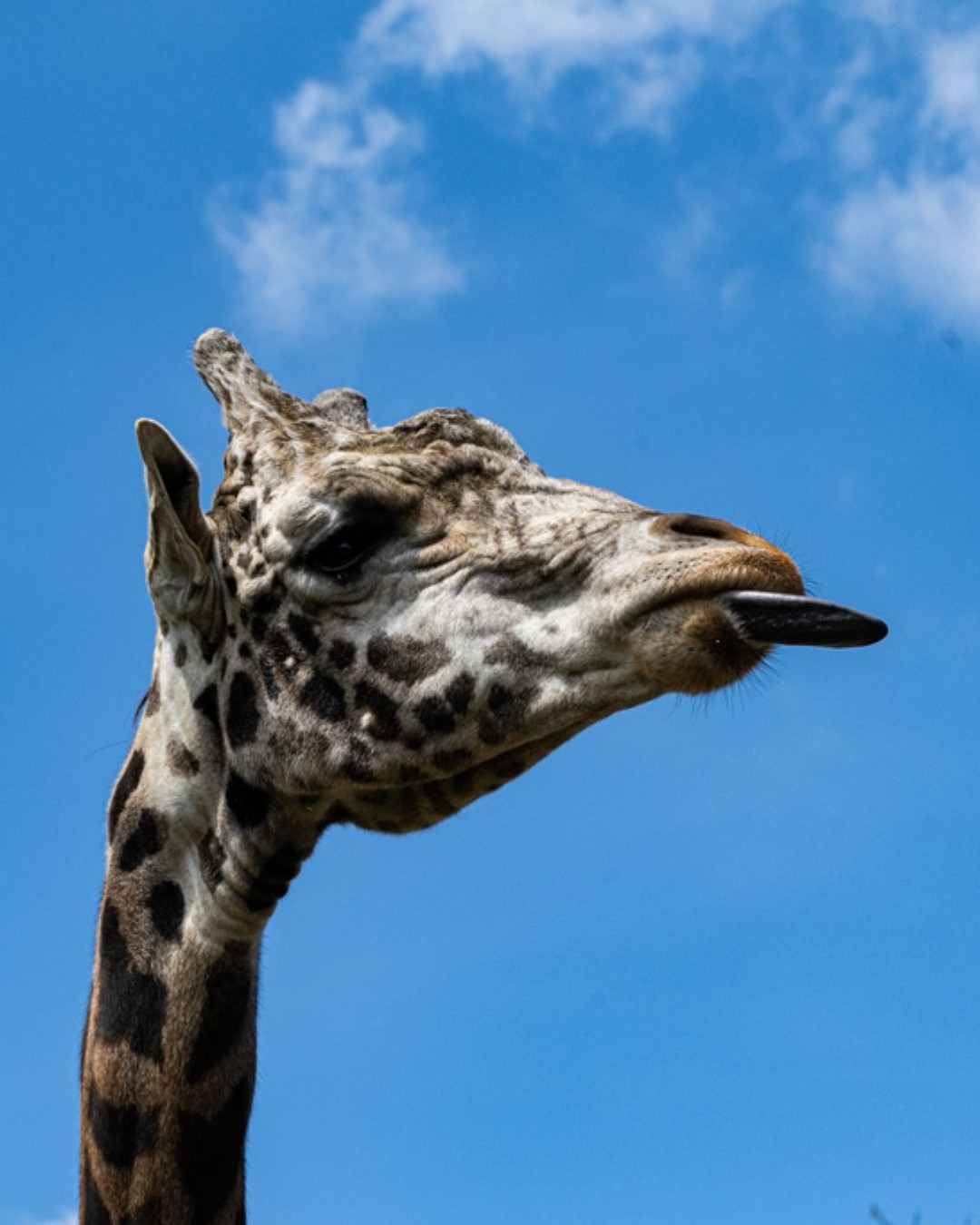
Bleh!
Happy Your support helps us create wild moments to connect our community to wildlife. Consider donating to the Zoo today! You can learn more under “Support” on our website.
