
- Coquerel’s Sifaka: An Overview of Its Biology and Behavior
- The Role of Geophagy in Sifakas’ Diet
- Conservation Efforts and Habitat Preservation
- The Significance of Captive Breeding Programs
- Educational Outreach and Community Involvement
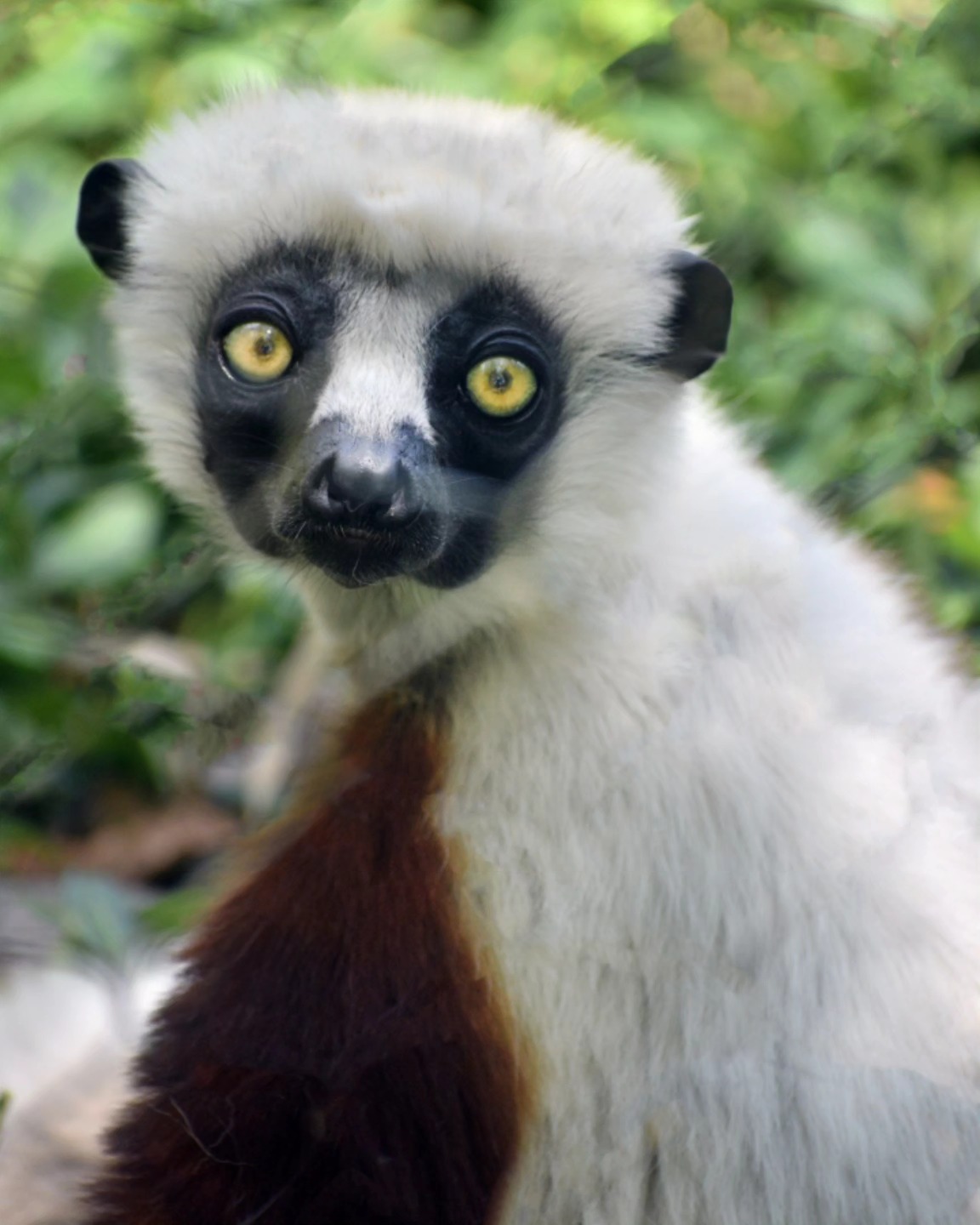
Coquerel’s sifaka (Propithecus coquereli) is a fascinating primate native to the rich biodiversity of Madagascar. These lemurs are well-known for their striking appearance, characterized by their white fur and black crown, as well as their remarkable ability to leap across the ground with agility. Their social structure is complex, and their behaviors often reflect intricate adaptations to their environment. When thanking the Coquerel’s sifaka for remaining calm enough to capture a photograph, we recognize both its beauty and the opportunities to learn from its existence.
Coquerel’s sifakas belong to the family Indriidae, which includes several other species of sifakas and indris. Sifakas are notable for their unique locomotion, often employing a mode of movement called “vertical clinging and leaping.” This behavior allows them to traverse the tall trees of their arboreal habitat efficiently. Observing these sifakas at facilities like the Mesker Zoo provides valuable insight into their interactions and daily behaviors.
These primates primarily inhabit the dry deciduous forests of Madagascar, a unique environment that nurtures a variety of flora and fauna. The forests face environmental pressures from deforestation and habitat degradation, which pose severe threats to the survival of Coquerel’s sifakas and other endemic wildlife.
Sifakas are herbivorous, consuming a diet mainly comprised of leaves, fruits, and flowers. One intriguing aspect of their dietary behavior is called geophagy, which involves the consumption of soil. According to the Duke Lemur Center, this behavior may occur for two key reasons: detoxifying their leafy diet and absorbing necessary minerals. Understanding the significance of geophagy sheds light on the nutritional strategies employed by these primates to maintain their health in an environment where food sources may vary greatly with the seasons.
Geophagy plays an essential role in the overall diet of these sifakas. The consumption of soil can provide trace minerals, which are crucial for metabolic processes and maintaining bone density. Additionally, certain plants in their diet may contain compounds that are potentially toxic in large amounts. By consuming soil, Coquerel’s sifakas help mitigate these risks and ensure their digestive systems can process the higher fiber content found in leaves.
Efforts to combat the declining populations of Coquerel’s sifakas revolve around conservation initiatives aimed at habitat protection and restoration. Organizations focused on wildlife conservation recognize that preserving the native forests of Madagascar is vital for the survival of not only sifakas but also countless other species. Deforestation, driven by agriculture, logging, and overgrazing, has led to significant habitat loss. Sustaining healthy ecosystems is essential for maintaining biodiversity and ensuring that endemic species continue to thrive.
Captive breeding programs are increasingly vital as conservation measures for Coquerel’s sifakas. These programs play a significant role in protecting genetic diversity and establishing stable populations. By carefully managing the breeding of these sifakas, wildlife experts can increase the chance of survival for individuals and enhance the genetic pool from which future populations may arise.
Facilities like the Mesker Zoo not only support captive breeding but also provide meaningful educational outreach. Visitors who observe these captivating animals are often inspired to learn more about their habitat and the challenges they face. Educational programs centered on Coquerel’s sifakas raise awareness about specific conservation issues and foster a deeper understanding among the public about the importance of preserving Madagascar’s unique biodiversity.
Community involvement is another critical component of successful conservation efforts. Engaging local populations in development and conservation initiatives helps create sustainable solutions. Education about the ecological significance of Coquerel’s sifakas and their forest habitats encourages communities to value and protect these animals. When people recognize the benefits of maintaining a healthy ecosystem, they are more likely to engage in practices that contribute to conservation.
In addition, governmental policies and international partnerships support the preservation of Madagascar’s forests. Organizations work to create protected areas that guarantee sanctuary for Coquerel’s sifakas and other endemic species. These measures help to safeguard critical habitats against further degradation, while also enabling scientific research that enhances our understanding of these primates.
Scientific studies on the behavior and ecology of Coquerel’s sifakas continue to provide insights into their social structures and relationships. Their social groups typically consist of a few related females and males, exhibiting a matriarchal system. Sifakas engage in various vocalizations and social displays to maintain group cohesion. Observational studies assist zoologists and ethologists in developing a clearer picture of their social dynamics and communication methods.
Wildlife photography plays an essential role in promoting conservation awareness. Capturing moments of wildlife in their natural habitats can evoke empathy and understanding in the viewer. As individuals share images of Coquerel’s sifaka, such as the picture of one staying still for a moment, they contribute to a broader narrative around the importance of preserving Madagascar’s rich biodiversity. These visual stories foster an emotional connection that may encourage stewardship and advocacy.
Research initiatives that monitor the health and wellbeing of Coquerel’s sifakas in both wild and captive settings also contribute to conservation strategies. Collecting data on population dynamics, habitat utilization, and health indicators is vital for formulating evidence-based conservation policies. This data-driven approach can help identify at-risk populations and inform targeted interventions.
Technological advancements play an important role in conservation efforts. Remote camera traps, GPS tracking, and monitoring software allow researchers to observe and analyze sifaka behavior without causing disruption to their natural activities. These tools help wildlife biologists gather invaluable data that can drive conservation initiatives effectively and sustainably.
Efforts to connect communities with nature through ecotourism have also shown promise. When local economies benefit from conservation efforts, the incentive to protect wildlife and their habitats increases. Responsible ecotourism initiatives that highlight the beauty of animals like Coquerel’s sifakas can provide locals with alternatives to unsustainable practices, such as logging or slash-and-burn agriculture.
In summary, the story of Coquerel’s sifaka illustrates not only the beauty of these primates but also the pressing need for concerted conservation efforts. Through understanding their biology and behavior, recognizing the importance of geophagy in their diet, and engaging in sustainable practices, we can contribute to the preservation of their environment. Educational outreach, community involvement, and scientific research all play vital roles in ensuring that future generations may continue to marvel at the incredible sight of Coquerel’s sifakas thriving in their natural habitat. The experience of observing these animals is not simply one of appreciation; it is also a reminder of the responsibilities we hold in protecting our planet’s incredible biodiversity.
*****
Source Description
I want to take a moment to thank this Coquerel’s Sifaka for actually staying still long enough for me to capture this moment😃
As per the Duke Lemur Center, Coquerel’s sifakas sometimes eat soil, likely to detoxify their leafy diet or absorb minerals—a behavior called geophagy | 📷 at the @meskerzoo
