
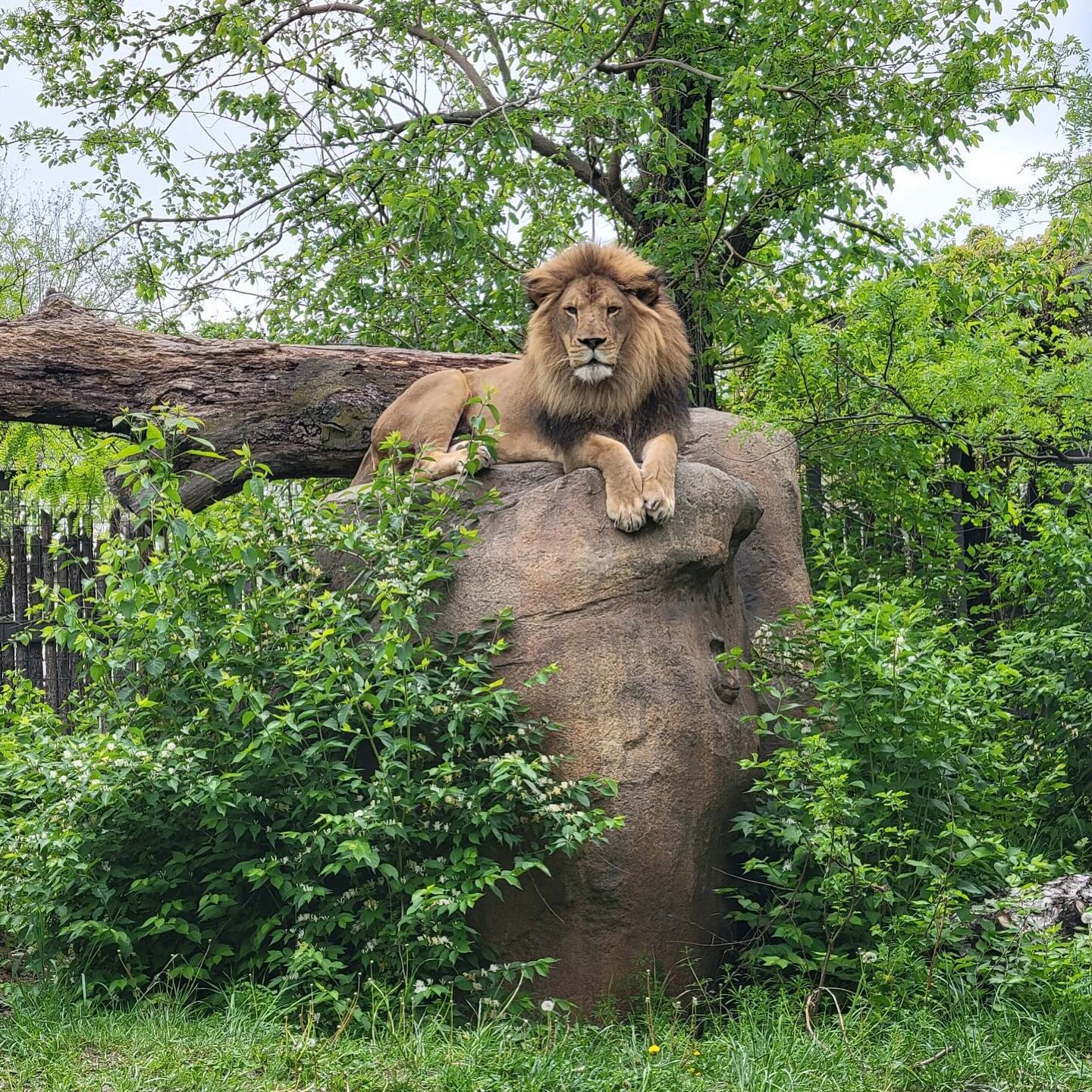
- The dual responsibilities of a male lion as protector and leader of the pride.
- The physical demands and conservation challenges faced by lions in their habitat.
- Social structure and dynamics within a lion pride.
- Behavioral patterns, including hunting and resting habits.
- The implications of habitat loss and human interaction on lion populations.
In the wild, male lions carry significant responsibilities. Their leadership role within the pride is both crucial and demanding. A key duty of a male lion is to protect the pride’s territory from encroaching males. This involves patrolling the perimeter frequently. Male lions can be seen climbing to elevated areas, where they can survey their surroundings. These higher points offer not only a vantage for observing potential threats but also serve as prime spots for relaxation.
Defending territory is a physically taxing job. Male lions weigh between 330 to 550 pounds and must maintain their strength to fend off rivals. Weakened lions or those unfit to defend their territory often lose both their pride and access to essential resources. In many situations, male lions may confront intruders head-on, engaging in fierce fights. Such confrontations can lead to injuries, which may have long-lasting effects on their ability to lead.
In addition to territorial defense, male lions must also ensure the safety of the group. When they are not on patrol, they are usually found lounging, resting, or napping. This inactivity is essential, as a lion’s energy expenditures should be balanced; otherwise, they risk compromising their physical fitness. A well-rested lion will be in a better position to respond to threats, protect the young cubs, and maintain the cohesion of the pride.
The social structure of a lion pride is complex and hierarchical. Typically, a pride consists of several related females, their cubs, and a small number of adult males. Lions communicate through vocalizations, body language, and scent markings. These interactions help maintain the social bonds necessary for cooperation in hunting and rearing young. Male lions often participate in cooperative behaviors with pride females, but they primarily interact with the females during mating. The presence of multiple males can lead to fierce competition, yet only the strongest typically maintain control over breeding rights within the group.
Behavioral patterns among lions can also be intriguing. Despite their reputation for being fierce predators, lions spend a significant amount of their day resting. Research indicates that lions can sleep anywhere from 16 to 20 hours a day. They tend to be crepuscular hunters, meaning they are most active during dawn and dusk. This behavior maximizes hunting efficiency and minimizes energy expenditure. During these active hours, the entire pride often works together to hunt larger prey such as buffalo or wildebeest.
One primary factor influencing the dynamics of lion society is their habitat. Savannahs and grasslands generally serve as their home, providing ample space for hunting and territory establishment. However, these habitats are increasingly threatened. Human encroachment, agricultural expansion, and urbanization are leading causes of habitat loss. Consequently, lions find their natural territories shrinking, forcing them into conflict with human populations and livestock.
The growing human-wildlife conflict presents challenges not just for lions but for entire ecosystems. As lions lose their territories, they may venture closer to human settlements in search of food, leading to retaliatory killings by farmers and herders. Such actions can devastate lion populations, destabilizing pride structures and increasing the risk of inbreeding. Furthermore, diminished genetic diversity threatens the long-term survival of lion populations. Conservation efforts that foster coexistence between lions and local communities are vital in addressing these challenges.
Preserving the habitat of lions is not just about saving a species; it is also about maintaining ecological balance. Lions play a critical role in their ecosystems by regulating herbivore populations. Through their hunting, they help maintain the health of grasslands by preventing overgrazing. This dynamic sustains biodiversity, which is essential for the resilience of ecosystems.
Certain conservation initiatives focus on community engagement. Educating local populations about the ecological importance of lions can help foster tolerance and reduce conflict. Involving communities in conservation efforts can promote sustainable practices that benefit both humans and wildlife. Programs that provide financial incentives for protecting lions, such as eco-tourism initiatives, create a win-win situation.
Zoos and wildlife sanctuaries also play crucial roles in lion conservation. They provide safe havens for lions unable to survive in the wild due to injury or human interference. In addition, these institutions engage in breeding programs designed to enhance genetic diversity. They also contribute to research aimed at understanding lion behavior and health.
Overall, being king of the pride is no small task. The life of a male lion revolves around responsibilities that demand physical strength, strategic thinking, and social acumen. While the majestic image of lions may portray a serene existence, the reality is that their lives are filled with challenges. By recognizing these demands, we can better understand the complexities of lion societies and the urgent need for conservation efforts.
Lions have long been symbols of strength and power in human culture. However, the threats they face today are stark reminders of the fragility of wildlife. As global citizens, encouraging practices that promote conservation helps ensure that future generations can marvel at these incredible animals in their natural habitats. Understanding the roles male lions play in their prides equips us with the knowledge necessary to advocate for their survival and that of the ecosystems they support.
*****
Source Description
It’s a tiring job, being king of his own (Lion’s) Pride rock. 🦁
One of a male lion’s roles in the pride is to defend the pride & territory of any intruders – if they aren’t on perimeter patrol, they may be lounging where they have a higher vantage point for observing (and napping in peace). 🦁
📸: Carnivore Keepers Melissa & Madison
