
Summary of The amazing mechanics of cat tongues:
The article by Jen A highlights the unique features of cats’ tongues, specifically their rough texture caused by keratin structures called papillae. These papillae serve multiple functions: they assist in grooming by pushing saliva between hair follicles for cooling and help cats consume prey more effectively by holding food and removing hair from flesh. Variations in papillae among different cat species correspond to their feeding habits. The piece encourages readers to appreciate the fascinating adaptations of cat tongues, particularly when observing larger felines at the zoo.
- The anatomy and structure of cat tongues.
- The diverse functions of papillae on cat tongues.
- The role of cat tongues in grooming and hygiene.
- The significance of cat tongues in feeding behaviors.
- Conservation and the importance of understanding feline species.
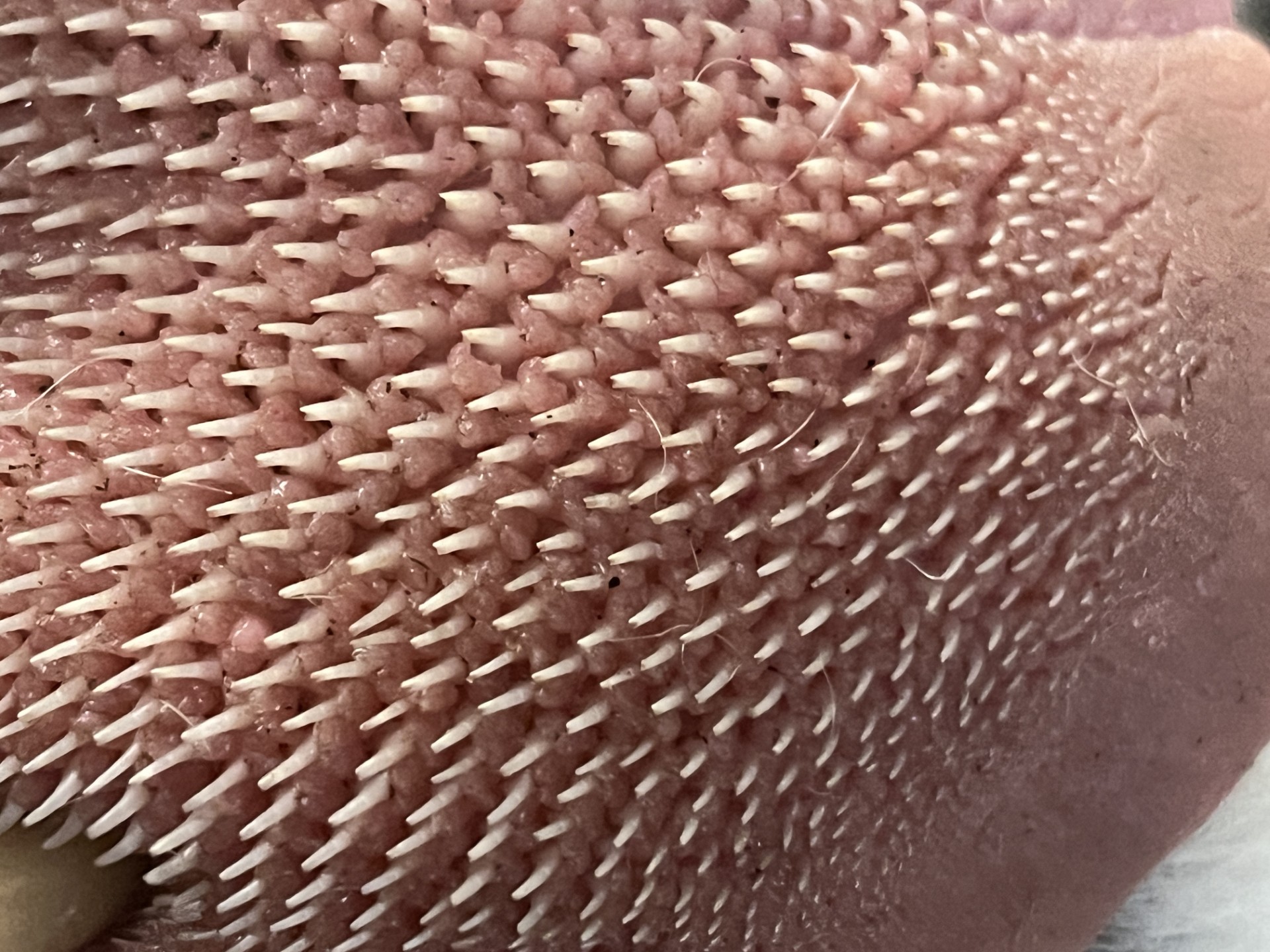
One of the fascinating characteristics of cats is their unusual tongues. This feature is present in all members of the Felidae family, from the mighty lion to the small rusty-spotted cat. The defining aspect of a cat’s tongue is its rough texture, which many pet owners notice but may not understand in detail. The roughness arises from specialized structures called papillae, which are made of keratin.
Papillae on a cat’s tongue protrude outward and are shaped similarly to tiny hooks or bristles, creating a surface that is reminiscent of a strip of Velcro. These structures serve multiple functions that are vital for the survival of cats in their natural habitats.
One of the primary roles of the papillae is in grooming. Cats spend a significant portion of their day cleaning themselves. The backward-curve of the papillae allows them to effectively remove loose fur and dirt from their coats. This grooming behavior is essential for maintaining hygiene and preventing issues such as matting or skin infections. A study published in 2018 identified another interesting aspect of grooming: when cats lick themselves, the saliva is effectively pushed between hair follicles, which helps them cool down. Unlike humans, cats do not have sweat glands distributed across their bodies, making this cooling method crucial in hot conditions.
Additionally, the papillae are integral to the feeding process. The rough surface aids in holding onto prey, allowing cats to grip and consume their meals more effectively. This adaptation is vital, especially for wild cats that rely on catching live prey. The papillae are not just for gripping; they also assist in separating meat from bones when eating. This ability enhances feeding efficiency, allowing cats to gain the necessary nutrients from their meals with minimal waste.
Interestingly, different species of cats exhibit variations in the shape, size, and density of their tongue papillae. These differences correlate with their feeding habits and dietary requirements. For instance, big cats like tigers and lions have more robust papillae that reflect their need for a diet rich in meat, while smaller species may have different adaptations suited to their particular feeding strategies.
The uniqueness of cat tongues also extends to their evolutionary significance. As members of the carnivorous group, cats have developed specific physical traits that contribute to their success as hunters. This adaptation of the tongue is just one of many physiological and behavioral traits that enable them to thrive in various environments.
Understanding the mechanics of cat tongues can help foster a greater appreciation for feline behavioral ecology and conservation efforts. Knowledge about their feeding and grooming habits contributes to better care in domestic settings and enhances wildlife management strategies for conservation organizations. Recognizing the interconnectedness of biology and the environment is essential in promoting sustainability for all feline species.
Visitor experiences in zoos provide an excellent opportunity to witness these mechanics in action. Observing big cats during feeding or grooming sessions adds layers of understanding to their natural behaviors. Watching a lion consume its meal or a cheetah groom itself can be a vivid illustration of the functionality of their tongues. This firsthand experience can inspire audiences to learn more about their preservation and the complexities they face in the wild.
Conservation efforts are crucial given the ongoing threats that various species encounter. Habitat loss, poaching, and climate change can have drastic impacts on cat populations worldwide. Education about their biology, including the fascinating mechanics of cat tongues, plays a vital role in advocacy and conservation efforts. By raising awareness, we can encourage more significant efforts to protect these remarkable animals and their habitats.
The understanding of cat tongues provides deeper insights into their lives and behaviors. It presents an opportunity to explore the broader ecological context that shapes not just their feeding habits and grooming practices, but also their role in maintaining balanced ecosystems. As we continue to learn about these creatures, it becomes ever more important to promote responsible stewardship of our environment and ensure the survival of diverse feline species for future generations.
In summary, cat tongues are a remarkable feature equipped with intricate mechanics that demonstrate nature’s evolutionary adaptations. From grooming to feeding, the rough surface plays multiple roles essential for the health and well-being of cats. Understanding these elements not only enriches our knowledge of the Felidae family but can also inform conservation efforts aimed at protecting these vital species. Observing and appreciating the amazing mechanics of cat tongues emphasizes both the beauty of nature and our responsibility in preserving it.
