
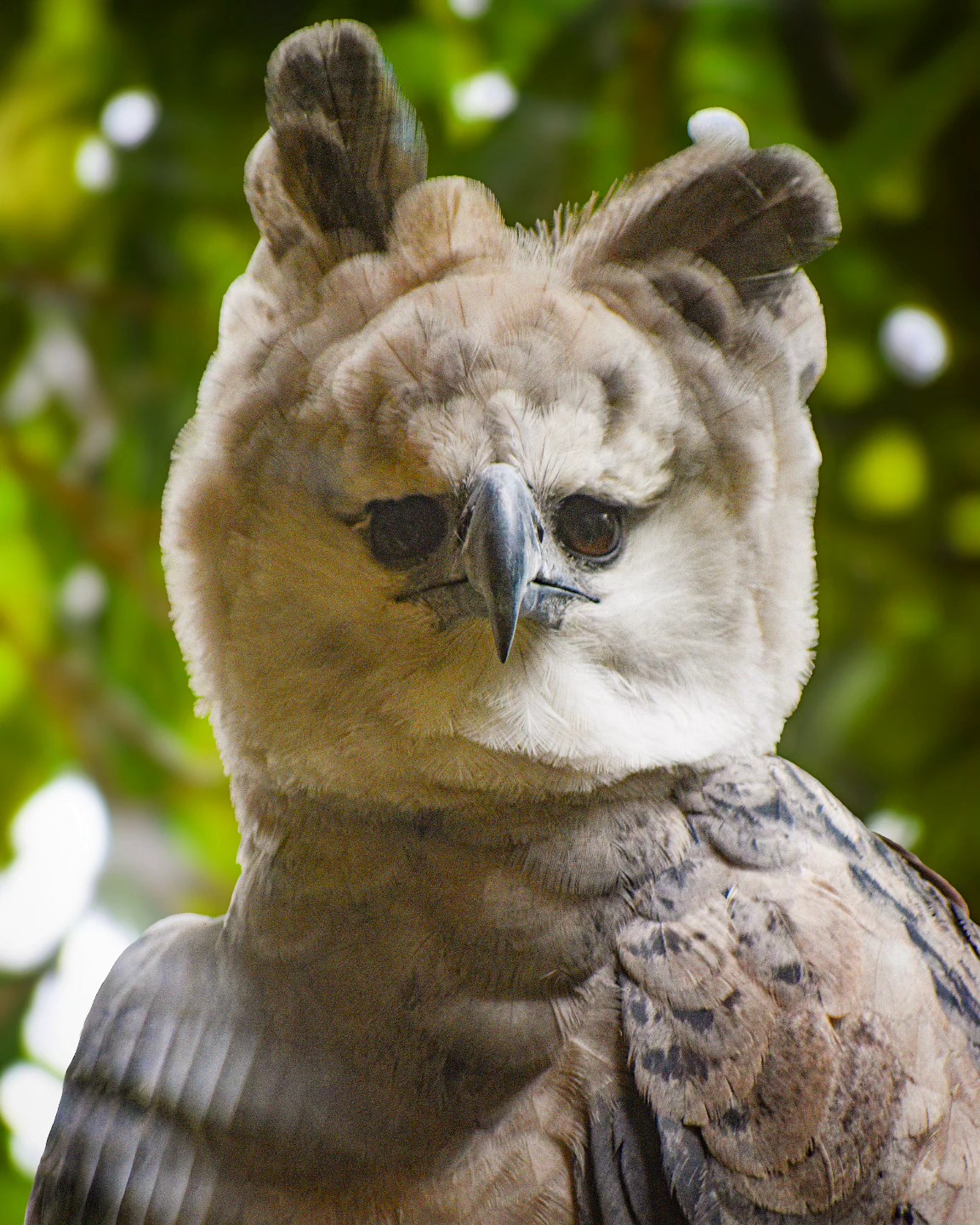
- The physical characteristics of the Harpy eagle, including its talons and size
- The Harpy eagle’s hunting techniques and diet
- Conservation status and threats facing the Harpy eagle
- The role of zoos in Harpy eagle conservation and education
- Future directions for research and conservation efforts
The Harpy eagle (Harpagornis haliaetus) is often regarded as one of the most formidable avian predators in the world. It boasts the largest talons of any living eagle, measuring up to 5 inches in length. These awe-inspiring adaptations allow the Harpy eagle to effectively tackle prey such as monkeys and sloths, making it a powerful figure in its environment. Its striking appearance is complemented by a wingspan that can reach up to 7 feet, allowing for both incredible aerial maneuverability and a commanding presence.
The physical prowess of the Harpy eagle results from evolutionary pressures that have honed its anatomy for a specialized lifestyle. Their robust musculature supports their considerable weight, which can reach up to 20 pounds. Their sharp, hooked beak is specifically designed for tearing flesh, further enabling this eagle to efficiently consume its prey. Additionally, its striking plumage—characterized by dark grey and white feathers—serves not only as a camouflage in the dense forests of its habitat but also aids in thermoregulation.
Hunting practices of the Harpy eagle are as fascinating as its anatomy. Possessing exceptional vision, these eagles can spot movements from high above the canopy. Once a target is identified, they enter a dramatic hunting dive that combines speed and precision. Their powerful wings allow them to change direction quickly, targeting large prey with accuracy. The Harpy eagle typically weighs around 10 to 20 pounds, but its talons deliver immense force, allowing it to crush the bones of its substantial prey. It primarily feeds on a variety of arboreal mammals, utilizing its formidable hunting skills to ensure a successful catch.
As apex predators, Harpy eagles play a crucial role in their ecosystems. By controlling populations of their prey, they help maintain a balance in forest dynamics. The diet of the Harpy eagle consists of about 50% of its weight in food weekly, highlighting the eagle’s need for significant food sources. Their success as predators contributes to the overall health of their habitat, which in turn supports diverse flora and fauna.
Despite its impressive attributes, the Harpy eagle faces several conservation challenges. Habitats ranging from tropical rainforests to subtropical forests are increasingly threatened by deforestation and habitat fragmentation. Urban development often intrudes upon their territories, posing additional risks. Moreover, the introduction of illegal hunting adds pressure to their already vulnerable populations. The International Union for Conservation of Nature (IUCN) has categorized the Harpy eagle as near threatened, emphasizing the urgency of collective action for its preservation.
Zoos play an essential role in conservation efforts concerning the Harpy eagle. By participating in breeding programs, accredited zoos contribute to maintaining genetic diversity and bolstering population numbers. Institutions are strategically focused on educating the public about the ecological importance of these majestic birds. Through outreach initiatives, zoos address misconceptions and promote wildlife conservation messages. Visitors can engage directly with Harpy eagles and learn about their natural history, ecological roles, and the threats they face.
Many organizations work towards habitat restoration and protection, ensuring Harpy eagle reintroduction programs are more successful. These rehabilitative efforts not only support the Harpy eagle but also have a ripple effect on preserving entire ecosystems. Concrete actions, such as reforestation projects and habitat monitoring, help to counteract previous losses and build a more sustainable environment.
Future directions for research and conservation revolve around a multidisciplinary approach. Ongoing studies in behavioral ecology will enhance our understanding of Harpy eagle interactions within ecosystems. Advanced technologies, including satellite tracking, can offer insights into their migratory patterns and habitat use. This data will guide movements for habitat preservation and develop strategies for minimizing human-wildlife conflict.
Public involvement is crucial in amplifying conservation messages. Engaging communities surrounding key habitats fosters a sense of ownership over local wildlife. By promoting eco-tourism, local populations can benefit economically from preserving their natural resources while reinforcing the ecological significance of species like the Harpy eagle.
The synergy between zoos, conservationists, and local communities broadens the capacity for sustainable solutions. Emphasis on education is key to fostering a deeper appreciation for wildlife. With informed individuals, more significant advocacy for environmental policies will arise. This collective effort not only aids the Harpy eagle but fortifies broader conservation initiatives.
The Harpy eagle’s combination of physical prowess and ecological significance underscores its importance as a species worthy of admiration and protection. With its impressive size, unparalleled hunting techniques, and increasing threats to its survival, this eagle stands at the center of many conservation discussions. Conservation strategies should continue evolving to adapt to new challenges.
As we become more aware of our environment and interconnectedness with wildlife, the fate of the Harpy eagle remains in our hands. Awareness, education, and focused conservation actions are paramount. The more we explore the interplay between Harpy eagles and their ecosystems, the better positioned we will be to protect their future. Continuing to invest in these magnificent birds will ultimately yield dividends, ensuring they continue to soar through the trees ecosystems thrive.
Given its striking talons and notable hunting techniques, the Harpy eagle should be a focal point for both researchers and policymakers. With its status as an apex predator, understanding its role can deepen our insights into forest health and integrity. Enhanced conservation efforts will bolster populations, preserving biodiversity for future generations.
The Harpy eagle remains a symbol of strength and resilience, serving as a reminder of the wild places still in existence. As we learn more about its needs and behaviors, we can create strategies that usher in a hopeful future for this magnificent species. Let us cultivate a world where the Harpy eagle not only survives but thrives—a world where its majestic wings continue to echo through the canopy for years to come.
*****
Source Description
I don’t know whether to 😅 or be more 😨
The Harpy eagle has the largest talons of any living eagle—up to 5 inches long—strong enough to crush the bones of monkeys and sloths | 📷 at the @officialdwazoo
