
- Exploring the Origins and Traditions of Halloween
- Understanding Animal Adaptations and Their Significance
- The Role of Zoos in Wildlife Conservation
- The Impact of Environmental Change on Animal Behavior
- Practical Ways to Celebrate Halloween with Wildlife Preservation in Mind
Halloween’s origins can be traced back thousands of years to ancient Celtic traditions, specifically the festival of Samhain. On the evening of October 31st, the Celts believed the boundary between the living and the dead blurred. This belief led them to light bonfires and wear costumes to ward off roaming spirits. As Halloween evolved through the centuries, it absorbed elements from various cultures, transitioning from solemn rituals to a more festive celebration. In contemporary times, Halloween is characterized by the playful practice of trick-or-treating, extravagant costumes, and festive gatherings. Each of these traditions is deeply rooted in a quest to confront mortality in varied ways.
An important aspect of Halloween involves recognizing our relationship with nature. Animals, whether represented in Halloween costumes or in folklore, embody characteristics that fascinate us. Many species possess adaptations that are pivotal for survival. For example, the chameleon’s ability to change color serves multiple purposes, including camouflage from predators and communication with other chameleons. Similarly, the Arctic fox sports a thick white coat during winter, allowing it to blend seamlessly into snowy environments. This adaptability showcases the remarkable ingenuity of nature while inviting us to appreciate the artistry behind each animal’s design.
Zoos play a significant role in wildlife conservation and education. They serve as sanctuaries for endangered species while offering a platform for public education about the importance of biodiversity. Many zoos participate in breeding programs aimed at increasing populations of threatened species. Institutions like the Association of Zoos and Aquariums (AZA) have stringent guidelines to foster animal welfare and ensure that breeding programs benefit not just individual species but entire ecosystems. Each animal in a zoo is a vital contributor to conservation efforts, making education about their habitats and behaviors essential for inspiring future generations.
Environmental change significantly influences animal behavior and habitats. Climate change, habitat loss, and pollution are serious threats that challenge survival. For instance, coral reefs, which support a diverse range of marine life, are suffering from bleaching due to rising sea temperatures. As habitats shift or disappear altogether, species may struggle to adapt fast enough. This underscores the critical need for conservation efforts that not only protect existing ecosystems but also restore them. Awareness about these issues can be raised through community actions that emphasize the importance of sustainable practices.
As Halloween approaches, individuals can participate in celebrating the holiday while promoting wildlife preservation. Simple actions, such as supporting local wildlife conservation organizations or engaging in community clean-up efforts, can have a positive impact. Families can also host educational events that inform children about local wildlife while enjoying traditional Halloween activities. For example, outdoor gatherings can feature educational booths that highlight animal adaptations and conservation needs. This approach fosters a deeper respect for wildlife, empowering individuals to become advocates for nature in their daily lives.
The spirit of Halloween invites us to look closely at the natural world, emphasizing that beneath every feather, scale, and paw lies art perfected by evolution. This aspect is not limited to appearances; it encompasses behaviors and adaptations that reflect survival strategies evolved through countless generations. As an integral part of the planet’s biodiversity, each species occupies a distinct niche and contributes significantly to the ecological balance.
Throughout history, Halloween has served as a reminder of our interconnectedness with nature. The thrumming heartbeat of the world resonates with those shifts and rhythms vital for life. This Halloween, encourage friends and family to contemplate the fascinating stories behind animal adaptations and conservation efforts. By weaving these themes into Halloween festivities, we shift the focus from mere amusement to a deeper appreciation of the environment that sustains us.
Specific animal adaptations are equally captivating. Take, for example, the remarkable mimicry of insects like stick bugs and leaf-cutter ants. These organisms have evolved to resemble their environments, effectively using camouflage as a defense mechanism against predators. This clever adaptation underscores the art of evolution and highlights how species can utilize their physical characteristics to excel in their habitats. Such aspects can inspire admiration and provoke thought during Halloween celebrations.
The inclusion of folklore and cultural representations of animals during Halloween also reflects people’s perceptions and fears. From witches flying on broomsticks accompanied by black cats to the portrayal of bats and owls in haunted narratives, animals often symbolize deeper truths within our cultures. These representations invite conversations about the actual role these creatures play in our ecosystems. Bats, for instance, are natural pest control agents, eating insects and maintaining ecological balance.
In urban settings, it is vital for citizens to engage in wildlife-friendly practices. Simple actions like planting native flora can support local fauna and create habitats that foster biodiversity. Community gardens or green spaces can be effective in encouraging native species to flourish, ensuring that nature remains intertwined with human endeavors. In doing so, Halloween takes on new layers of meaning as a time to honor wildlife, embracing actions that reflect care for each living creature and its environment.
Halloween-themed events at local zoos or community centers can also serve as informative platforms. Interactive displays can highlight animal behaviors, habitat conservation, and the significance of biodiversity. During these events, children and adults alike can learn about the ecological roles that various species play, fostering a sense of connection to wildlife. Engaging communities in this manner reinforces the idea that every action, no matter how small, can contribute to the conservation of our planet.
Education is paramount in fostering a culture of conservation, particularly within the context of Halloween. By illuminating the realities of wildlife preservation, individuals can shift their perspectives and behaviors. The stories of animals—transferred through folklore, illustrated in costumes, or on display in zoos—should serve as catalysts for deeper understanding and action.
Consider the ongoing threats faced by endangered species, such as the sumatran orangutan and the vaquita. Both species are teetering on the brink of extinction, and awareness can prompt support for their conservation. Engaging the public through the lens of Halloween creates a unique opportunity: a chance to embrace the spooky world of wildlife while simultaneously acting to preserve it.
As we celebrate Halloween, let us acknowledge that our actions can reflect our commitment to the environment and its inhabitants. By incorporating wildlife education into our Halloween festivities, we can reinforce our shared responsibility towards future generations while embracing the wonders of nature and the intricacies of animal life.
Every costume, decoration, and event can be transformed into a celebration that ties back to the importance of preserving biodiversity. Discussions around animal adaptations or conservation can enhance gatherings, ensuring that while we celebrate the thrills and fun of Halloween, we also recognize the profound lessons that animals impart.
Exploring the connections between Halloween themes and wildlife conservation reveals how intertwined our lives are with the natural world. Through these interactions, we can cultivate a deeper understanding of the fragility of ecosystems and the rich tapestry of life that is woven through our planet’s diverse species. Taking time to educate others about the complexities of animal behavior and the effects of environmental change strengthens the collective effort to protect our shared home.
Let this Halloween be a reminder of the beauty and artistry found in nature. As we engage in festivities, let us take a moment to reflect on the animals that inspire our lives and consider how we can continue to foster their preservation.
*****
Source Description
Happy Halloween! 💀
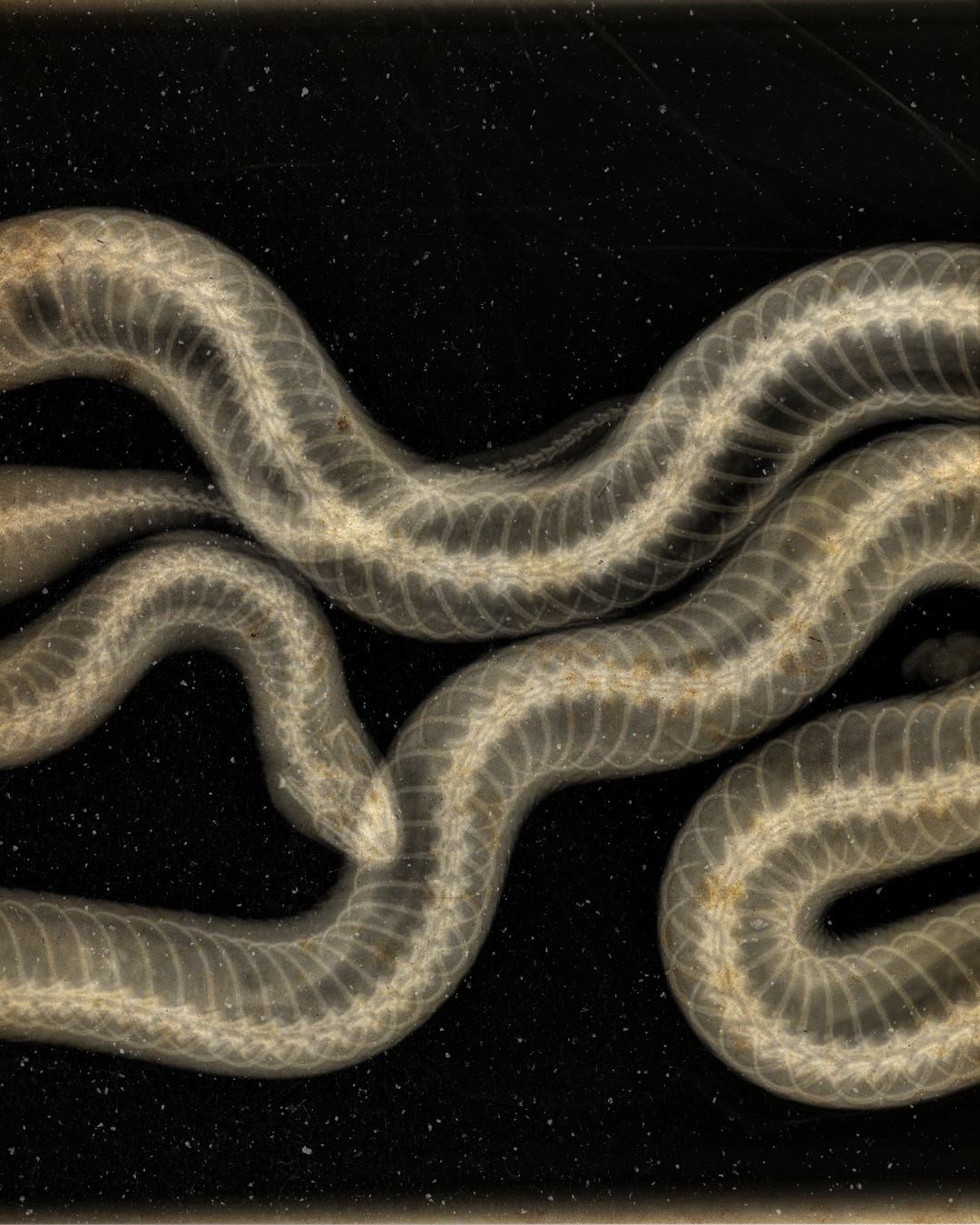
Beneath every feather, scale, and paw lies a work of natural art. This Halloween, take a peek beneath the surface… if you dare.
