
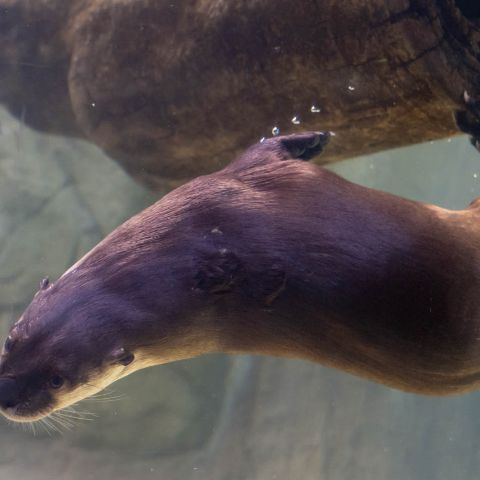
Summary of H2O on the go! Why Hydration Matters to All Animals (Humans, Too).:
The Oklahoma City Zoo and Botanical Garden emphasizes the importance of water access for both animals and humans. Clean water is vital for survival, with even small dehydration leading to serious health issues. Despite 71% of the earth being water, only 1% is accessible freshwater. The Zoo employs various strategies to conserve water, including fixing leaks, using native plants for landscaping, and optimizing cleaning routines. To promote hydration among visitors, the Zoo has partnered with Shape Your Future to install 16 water bottle refill stations and offers reusable water bottles for purchase. Guests are encouraged to bring their own refillable bottles or utilize the available water fountains.
- Access to clean water is essential for all animals, including humans, highlighting the interconnectedness of ecosystems.
- The role of hydration in animal health, hydration needs across species, and the consequences of dehydration.
- Water conservation practices in zoos and the importance of fresh water stewardship in a rapidly changing environment.
- Initiatives to promote human hydration, especially in public spaces like zoos, and the importance of maintaining community health.
- The broader implications of water scarcity and conservation efforts for wildlife and global ecosystems.
Access to clean water is essential for all animals, and this includes humans. Water is fundamental to life; in fact, every creature requires it to thrive. At the Oklahoma City Zoo and Botanical Garden, caretakers prioritize the needs of the animal family, and ensuring that water is accessible lies at the top of their priorities. This need for hydration echoes through various animal documentaries that often depict animals in search of water – a clear reflection of the importance of this resource in both natural and managed environments.
Hydration is critical not only for exotic animals but also for humans. Our bodies are made up of approximately 60 percent water. This fluid balance is necessary for everything from regulating body temperature to facilitating metabolic processes. Losing a mere 2 percent of body weight in water can trigger thirst, while a 4 percent dehydration can lead to fainting. At 7 percent, the risks escalate to organ damage. Therefore, learning about hydration and its vital importance is crucial for everyone.
Understanding the water requirements of animals varies based on size, dietary habits, and habitat. For example, a lion may require around 1 to 2 gallons of water daily, while a smaller mammal, like a rabbit, needs significantly less. Animals that consume moisture-laden food, such as fruits or aquatic plants, may rely less on direct water sources. Reptiles and amphibians have unique mechanisms to retain water, adapting to their specific surroundings. Fish and other aquatic wildlife, on the other hand, inhabit environments that are abundant in water, but the quality remains just as essential as the quantity. Ensuring that every species has the necessary access to clean, fresh water is crucial for health and wellbeing.
For both animals in captivity and those in the wild, the consequences of dehydration can be dire. An animal deprived of the necessary water may exhibit signs of distress, including lethargy, decreased appetite, and impaired bodily functions. For zoo animals, consistent access to water is integral to their care plan, often dictated by their natural behaviors and habitats.
Clean water itself is becoming a limited resource. Although 71 percent of the Earth’s surface is covered in water, only about 3 percent is fresh water. Of this, humans can access roughly 1 percent. This alarming statistic underscores the responsibility of society as environmental stewards to conserve and protect these dwindling supplies. In the educational environments of zoos, teams implement various water-saving methods to minimize wastage. Regular inspections for leaks are conducted, as even the smallest drip can lead to significant losses over time.
In addition, sustainability efforts extend to the facility’s grounds. The Oklahoma City Zoo and Botanical Garden utilizes xeriscaping, a landscaping approach that focuses on using native plants adapted to local conditions. This method decreases the volume of water needed for irrigation while providing habitat for native wildlife. The Zoo also optimizes its cleaning procedures, reducing water runoff while maintaining hygiene standards.
Recognizing the importance of hydration extends beyond animal care. Water is crucial for the health of visitors as well. To encourage proper hydration among guests, the Zoo has partnered with Shape Your Future, a program of TSET, to install water bottle refill stations throughout the park. Currently, there are 16 refill stations and numerous water fountains to provide guests with easy access to water, especially during hot Oklahoma days.
Encouraging guests to bring reusable water bottles not only promotes personal hydration but also contributes to reducing plastic waste. Guests who forget their bottles have additional options. Water fountains scattered across the grounds ensure guests can stay hydrated during their visit. The Zoo and TSET also frequently distribute reusable plastic bottles during animal awareness days and other special events, reinforcing the message of hydration.
The push for water conservation and access to hydration proves critical in both public and private spheres. Hydration stations and refillable bottle initiatives are stepping stones towards creating a more sustainable culture. As water scarcity issues grow, educational programs in zoos around the globe increasingly emphasize water conservation as a crucial element of wildlife and ecosystem preservation.
Beyond the immediate well-being of animals and visitors, the global water crisis poses significant implications for wildlife. As habitats continue to shift due to climate change and urbanization, the availability of clean water sources diminishes. As a result, populations of various species face dire threats. Species such as amphibians rely heavily on specific water conditions and are disproportionately impacted by water quality degradation.
Conserving water allows ecosystems to remain resilient. Healthy ecosystems support biodiversity, which in turn creates a stable environment for all organisms. Currently, initiatives aimed at protecting water quality and promoting responsible consumption are necessary for maintaining ecological balance. Measures such as educating citizens about water preservation practices and encouraging responsible land use can play substantial roles in alleviating the pressure on freshwater resources.
Increased collaboration between zoos, conservation organizations, and communities serves to strengthen efforts towards effective water stewardship. By fostering a culture of conservation and awareness, individuals can contribute meaningfully to collective well-being. Through educational opportunities, zoos can impact public understanding of the ecological significance behind access to clean water.
Ultimately, the importance of water transcends individual species or ecosystems. Understanding hydration’s significance is vital for every organism, including humans. Water is the lifeblood of ecosystems, essential for growth, reproduction, and survival. It is imperative that society recognizes its responsibility to protect freshwater ecosystems and ensure that every living being has access to clean and safe water.
In focusing on hydration and conservation, engaging educational initiatives can inspire the next generation of environmental stewards. Creating a solid foundation of knowledge, respect, and understanding around these essential issues can sculpt a more sustainable future. The collaborative efforts of zoos, communities, and individuals in the fight for water security can lead to a healthier world for all species, ultimately amplifying the message that water is life.
