
- The cultural significance of Rudolph the Red-Nosed Reindeer
- Understanding the biology of reindeer and their habitat
- The impact of wildlife conservation on reindeer populations
- The role of storytelling in wildlife education
- How the “Rudolph the Red-Nosed Reindeer 4D” experience promotes environmental awareness
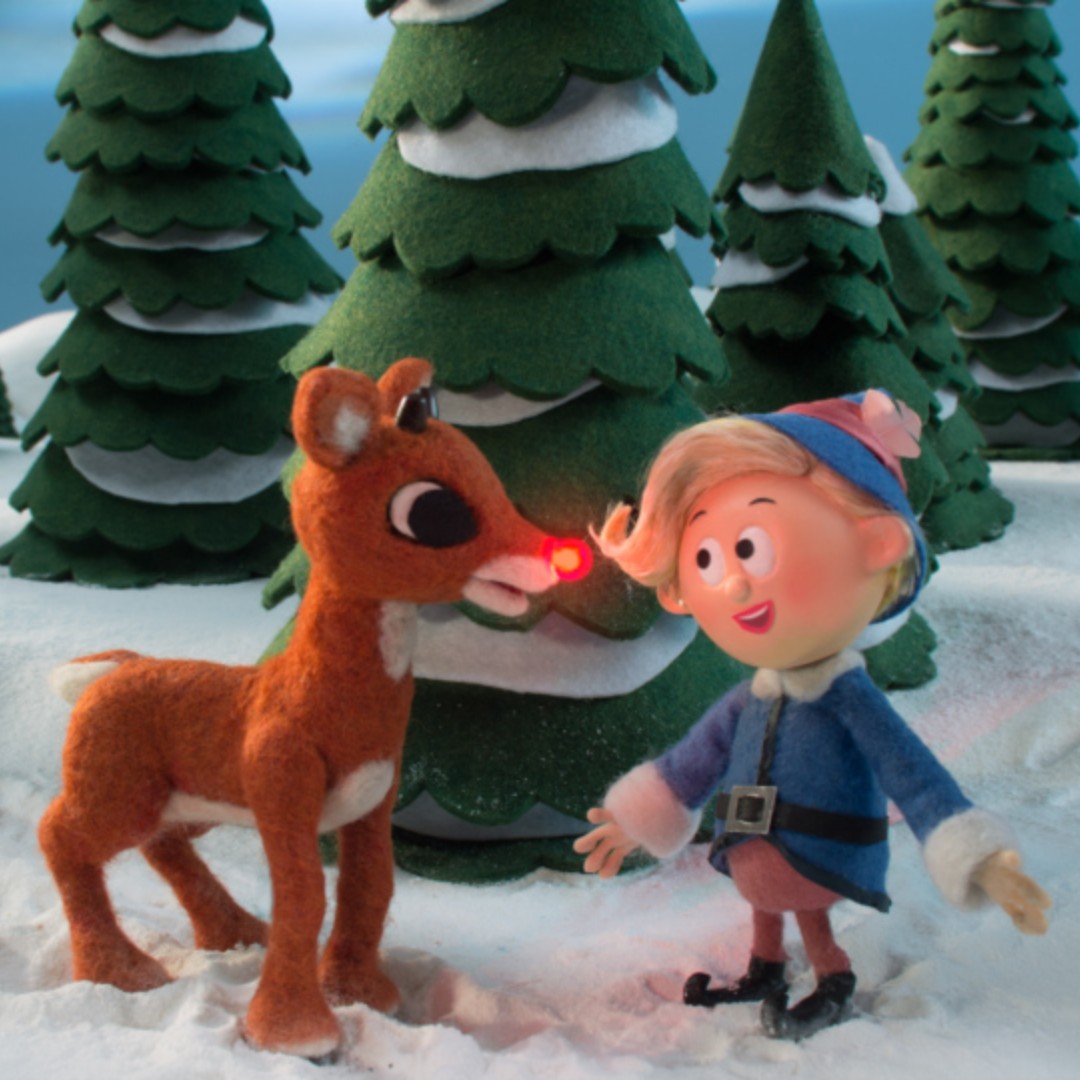
The holiday season brings joy, tradition, and a sense of magic. Central to this season is the beloved character, Rudolph the Red-Nosed Reindeer. First introduced in the 1930s through a coloring book and later immortalized in the classic stop-motion film, Rudolph has established his position as an icon. His story transcends mere entertainment; it reflects themes of acceptance, bravery, and compassion. This year, guests can experience the excitement of Rudolph’s adventures in a state-of-the-art 4D theater. The show features not only Rudolph but also his friend Hermey the Elf, showcasing their thrilling escape from the Abominable Snow Monster.
The story of Rudolph speaks to an enduring human need for representation and acceptance, especially during the holiday season. Reindeer have become synonymous with Christmas, thanks to tales of Santa Claus’s sleigh being pulled by a team of these majestic animals. Rudolph’s unique physical trait—a glowing red nose—serves as a powerful metaphor for individuality. In an age where representation matters more than ever, Rudolph teaches audiences of all ages the importance of embracing differences.
To appreciate Rudolph’s story, it is essential to understand the biological background of reindeer. Reindeer, or Rangifer tarandus, are part of the deer family and are well-adapted to the cold climates of the Arctic and sub-Arctic regions. They exhibit remarkable physiological traits that allow them to thrive in snowy landscapes. Their thick fur and fat layers provide insulation and protection from bitter winds.
Moreover, reindeer are unique among deer species because both males and females grow antlers. Males typically shed their antlers in winter, while females retain them longer, which is usually advantageous for caring for their young. The diet of reindeer is primarily herbivorous, consisting of lichens, grasses, and shrubs, and they utilize their keen sense of smell to locate buried food under deep snow—a fascinating adaptation that underscores their survival skills.
Understanding reindeer biology shines a light on the impact of climate change on their habitat. As global temperatures rise, reindeer find it increasingly difficult to access food sources. Melting snow and changing vegetation patterns can lead to malnutrition among populations. Declining reindeer numbers may also disrupt traditional practices of Indigenous communities in the Arctic. These communities have relied on reindeer for food, clothing, and shelter for millennia.
Wildlife conservation plays a significant role in safeguarding reindeer populations. The Association for the Conservation of Reindeer Species outlines several strategies to protect these animals and their habitats. Protection of migratory routes is critical. Reindeer are migratory animals, traversing vast distances throughout the year in search of food. Establishing wildlife corridors can help mitigate human encroachment on their traditional pathways.
Additionally, awareness and education are essential components of conservation. The 4D experience featuring Rudolph raises awareness about the challenges faced by reindeer in their natural habitat. By engaging audiences with a heartwarming story, it potentially inspires visitors to take action in supporting wildlife protection efforts.
The use of storytelling, in particular, creates an essential bridge to environmental education. Through characters like Rudolph, complex issues such as habitat loss and climate change become more relatable. Children and adults alike can connect emotionally with these narratives, which can motivate collective action for conservation. The popularity of Rudolph sheds light on the intrinsic connection between cultural storytelling and wildlife education.
The “Rudolph the Red-Nosed Reindeer 4D” experience is not just about entertainment; it serves as a platform for fostering environmental stewardship. The immersive elements of the 4D show, including motion seats and visual effects, captivate audiences while simultaneously inviting them to reflect on more profound issues. When visitors engage with Rudolph’s story, they gain insight into the importance of preserving the environment that supports not only reindeer but countless other species.
Organizations that focus on wildlife conservation can benefit from the visibility and engagement generated by such events. When people gather to enjoy the tale of Rudolph, they also take home key messages about the challenges faced by animals like reindeer. Fundraising initiatives tied to the show can help raise money for conservation efforts, ensuring that their message extends beyond the theater and into the communities touched by reindeer habitats.
From a biological and ecological viewpoint, reindeer occupy a unique niche in their ecosystem. They are herbivores, and their grazing habits help shape the tundra landscape. By preventing overgrowth and encouraging plant diversity, their presence contributes to a balanced ecosystem. The decline of reindeer populations could have cascading effects on other species and the health of the Arctic environment itself.
Studying reindeer also has implications for zoonotic diseases—diseases that can transfer from animals to humans. Identifying how reindeers adapt to changing environments provides crucial insights into wildlife health. When wildlife populations falter due to environmental stressors, zoonotic diseases may become more prevalent, posing risks to human health.
The interactions that people have with Rudolph through various forms of media can pique curiosity about wildlife biology. Many families will take their children to the theater, fostering a sense of wonder about animals. This curiosity can lead to inquiries about wildlife conservation, natural habitats, and ecological balance—vital lessons for future generations.
Furthermore, the narrative of Rudolph encourages empathy and drives home the importance of protecting all creatures. The perceived flaws of Rudolph’s nose provide a unique entry point for discussions about bullying, self-acceptance, and friendship. These conversations can evolve into larger dialogues about how humans interact with nature.
In light of these discussions, efforts to maintain sustainable practices around wildlife conservation become paramount. Simple actions, such as reducing carbon footprints or supporting local conservation efforts, can resonate deeply within communities. Engaging with stories like that of Rudolph can motivate individuals to reflect on how their actions impact wildlife.
As the holiday season unfolds, the “Rudolph the Red-Nosed Reindeer 4D” experience becomes even more significant. The amalgamation of entertainment, education, and the spirit of conservation makes this event a multifaceted initiative. Audiences leave the theater not just entertained, but also with a heightened awareness of the connection between storytelling and environmental conservation.
Rudolph’s story encourages a collective responsibility to protect habitats, spread compassion, and embrace diversity in both people and wildlife. The holiday season invites us to reflect on human values, but it also prompts us to think about our stewardship over nature. As you enjoy the delight brought by Rudolph and Hermey, remember that protecting these enchanting creatures and their habitats is a shared responsibility.
The dazzling lights of the 4D theater mirror the festive spirit of the season, but they also symbolize the luminous potential of conservation efforts. Through such narratives, we become agents of change who can work towards a healthier planet for all creatures, great and small.
The incredible story of Rudolph illuminates the beauty of differences, the importance of addressing environmental concerns, and the significance of advocating for wildlife. Each ticket purchased to see “Rudolph the Red-Nosed Reindeer 4D” represents a step towards increasing awareness about our natural world. The joy of the holiday season extends beyond our homes and gatherings; it encompasses the shared responsibility we bear for the protection of all living things that inhabit this planet.
*****
Source Description
The most famous reindeer of all is lighting up our 4D Theater this holiday season!
Join Rudolph and his friend, Hermey the Elf, as they escape the clutches of the Abominable Snow Monster. Click the link in our bio to purchase tickets to “Rudolph the Red-Nosed Reindeer 4D” today!
