
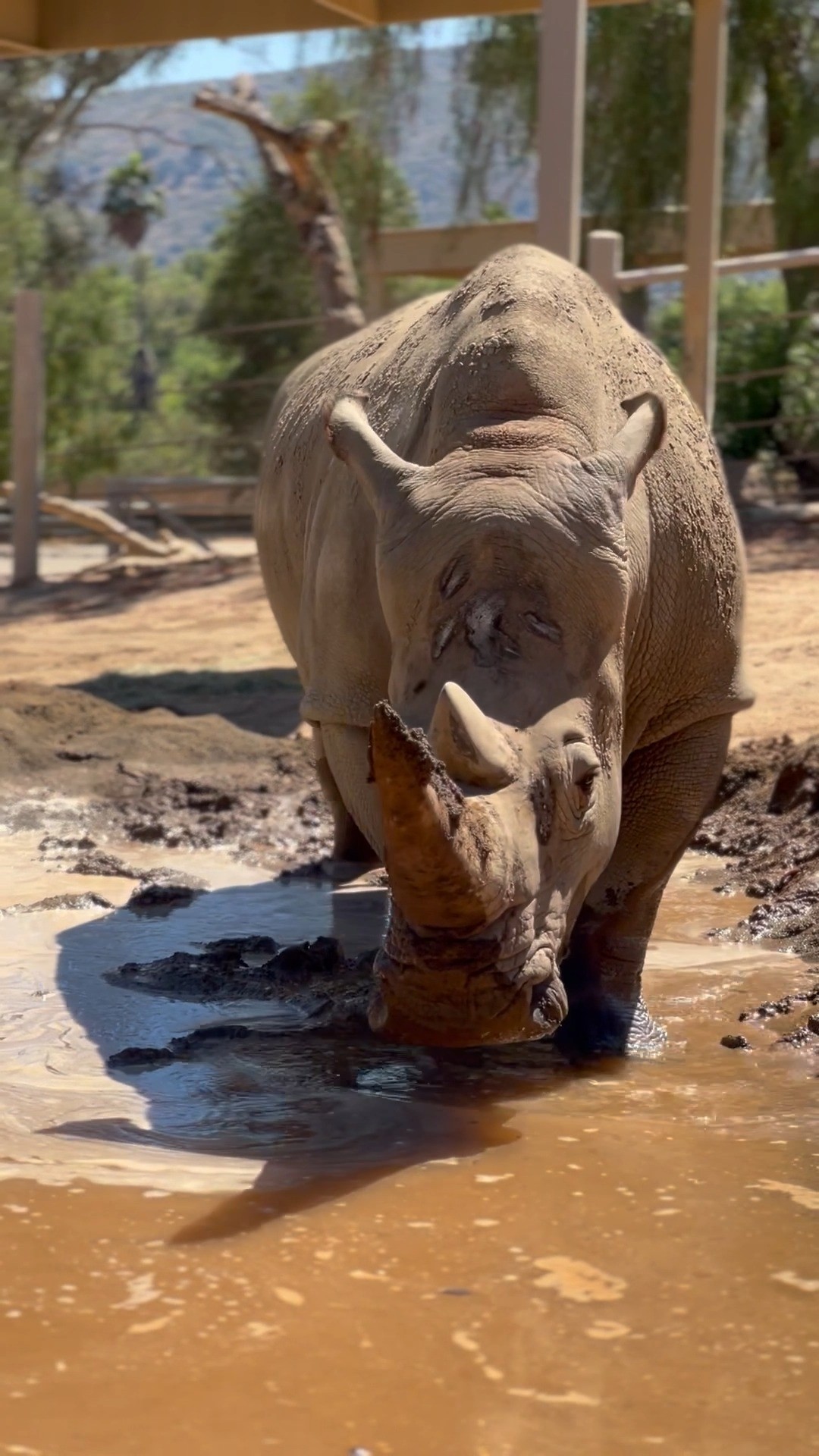
- Mud wallows serve multiple functional purposes for rhinoceroses.
- The ecological significance of mud wallows extends beyond animal welfare.
- Challenges to rhino populations and their mud wallows.
- Conservation strategies to protect both rhinos and their habitats.
- The cultural and economic value of rhinoceroses and their ecosystems.
The mud wallow plays a vital role in the lives of rhinoceroses, acting as a multifunctional space that helps them maintain their health and wellbeing. Whether it’s a hot summer day or a cool, overcast afternoon, rhinos instinctively seek out the cool embrace of mud. This practice is deeply entrenched in their behavior and serves several essential purposes.
First, mud wallows are pivotal for thermoregulation. Rhinoceroses have thick skin that provides some protection, but they can easily become overheated. When a rhino submerges itself in mud, it cools off, as mud is a natural temperature regulator. The wet, earthy material effectively absorbs heat, allowing the rhino to lower its body temperature. This behavior also helps them avoid the effectiveness of sunlight, protecting the skin from harmful UV rays.
Mud wallows also serve as a defense mechanism against parasites and insects. Rhinoceroses are prone to insect bites, which can be irritating and pose health risks. The mud acts as a barrier, preventing insects from directly irritating their skin. This natural insect repellent not only keeps the rhino comfortable but can also lessen the chances of skin infections that might arise from bites.
Additionally, the mud has a cleansing effect. Rainy seasons or dust storms can leave a rhino’s skin caked with dirt, which can trap harmful bacteria and irritants. By wallowing in mud, rhinos can wash away these particulates, maintaining healthier skin. The mud also contains minerals that can benefit the skin and overall health, an unintentional skincare routine, if you will.
The ecological importance of mud wallows goes beyond the needs of rhinos. These habitats create microenvironments that many other species rely on. The increased moisture in a mud wallow attracts birds, small mammals, and various insects, all of which contribute to a vibrant ecosystem. Birds, for instance, may flock to a wallow to feast on insects that are drawn to the muddy area. This interdependent relationship highlights how the simple act of wallowing can influence broader ecological networks.
However, the well-being of rhinoceroses and their mud wallows faces numerous challenges. Habitat destruction is one of the most significant threats. As human development expands, natural areas that once provided ample wallowing sites are often lost. Urbanization, agriculture, and deforestation pose critical risks to rhino populations and their habitats. When natural resources dwindle, rhinos may struggle to find suitable mud wallows, which can lead to health problems, stress, and mortality.
Poaching is another dire risk. Rhinos are hunted for their horns, which fetch exorbitant prices in illegal markets. This threat has dramatically decreased rhino populations, making it increasingly unlikely that the next generation will inherit the knowledge of where to find ideal mud wallows. Conservationists are working tirelessly to combat poaching and protect habitats, but these issues are deeply entrenched and require vigilant government action and community support.
Efforts to conserve rhinos, their mud wallows, and the broader ecosystems are multifaceted. Education plays a key role. Raising awareness about the importance of rhinos can foster community engagement and support for conservation initiatives. If local populations understand the ecological benefits of preserving mud wallows and their associated wildlife, they may be more inclined to participate in conservation efforts.
Protected areas, or wildlife reserves, are crucial for ensuring that rhinos have access to their natural habitats. These zones prevent encroachment from human activities and help maintain the ecological balance. Effective management of these areas also involves monitoring the health of rhino populations and their behaviors. Regular checks can help identify any emerging problems, from habitat degradation to signs of stress in individual animals, allowing for timely interventions.
Community engagement is another critical factor. Conservation programs that incorporate local communities into their strategies often find more success. These initiatives may offer eco-tourism opportunities that provide economic benefits while simultaneously promoting conservation. By linking the welfare of rhinos to local economies, people may see tangible reasons to protect these magnificent animals and their habitats.
In the socio-economic context, rhinoceroses contribute to both local and global economies through tourism. Many people are willing to travel vast distances to see these incredible creatures in their natural habitat, which bolsters economies in regions where rhinos are found. Wildlife safaris, particularly those that include opportunities to observe mud wallows, can attract substantial numbers of tourists. This interest can stimulate local businesses, offering income that can be reinvested in conservation efforts or community development projects.
The cultural significance of rhinoceroses also cannot be understated. In some regions, they are emblematic of national pride, playing essential roles in folklore and traditions. Preserving rhinos and their mud wallows is not just a matter of wildlife conservation; it is about maintaining cultural identities as well.
As conservationists work to protect rhinoceroses and their mud wallows, collaboration is essential. Organizations, scientists, governments, and local communities need to unite to address the multifaceted challenges facing these incredible animals. Each party brings unique perspectives and resources, allowing for more holistic and effective conservation strategies.
The future of rhinoceroses and their unique environments hinges on proactive measures. Measures to combat poaching, habitat loss, and community disengagement are more pressing than ever. And as we invest time and resources into these efforts, mud wallows remain a focal point, reminding us that the simple act of wallowing in cool mud connects a variety of ecological and cultural threads.
Every clever rhino knows that the best way to beat the heat involves diving headfirst into a well-placed mud wallow. However, it is also up to us—individuals, communities, and organizations—to advocate for these incredible animals and the ecosystems they inhabit. With commitment and collective action, we can secure a sustainable future for rhinoceroses and their beloved mud wallows, ensuring they thrive for generations to come.
*****
Source Description
The mud wallow is where it’s at 🦏
Every clever rhino knows that the best way to keep cool during the summer is diving headfirst into a good old fashioned puddle. Not only does mud help these chubby unicorns beat the heat, but it protects them from insect bites and damaging UV rays.
