
- Introduction of the Pancake Tortoise’s critically endangered status and the need for a concerted conservation effort.
- Overview of the National Recovery and Conservation Action Plan and its importance.
- Role of key organizations in the conservation initiative, including Turtle Survival Alliance and Kenya Wildlife Service.
- Involvement of local communities and government in fostering sustainable conservation practices.
- Future prospects and challenges in ensuring the survival of the Pancake Tortoise.
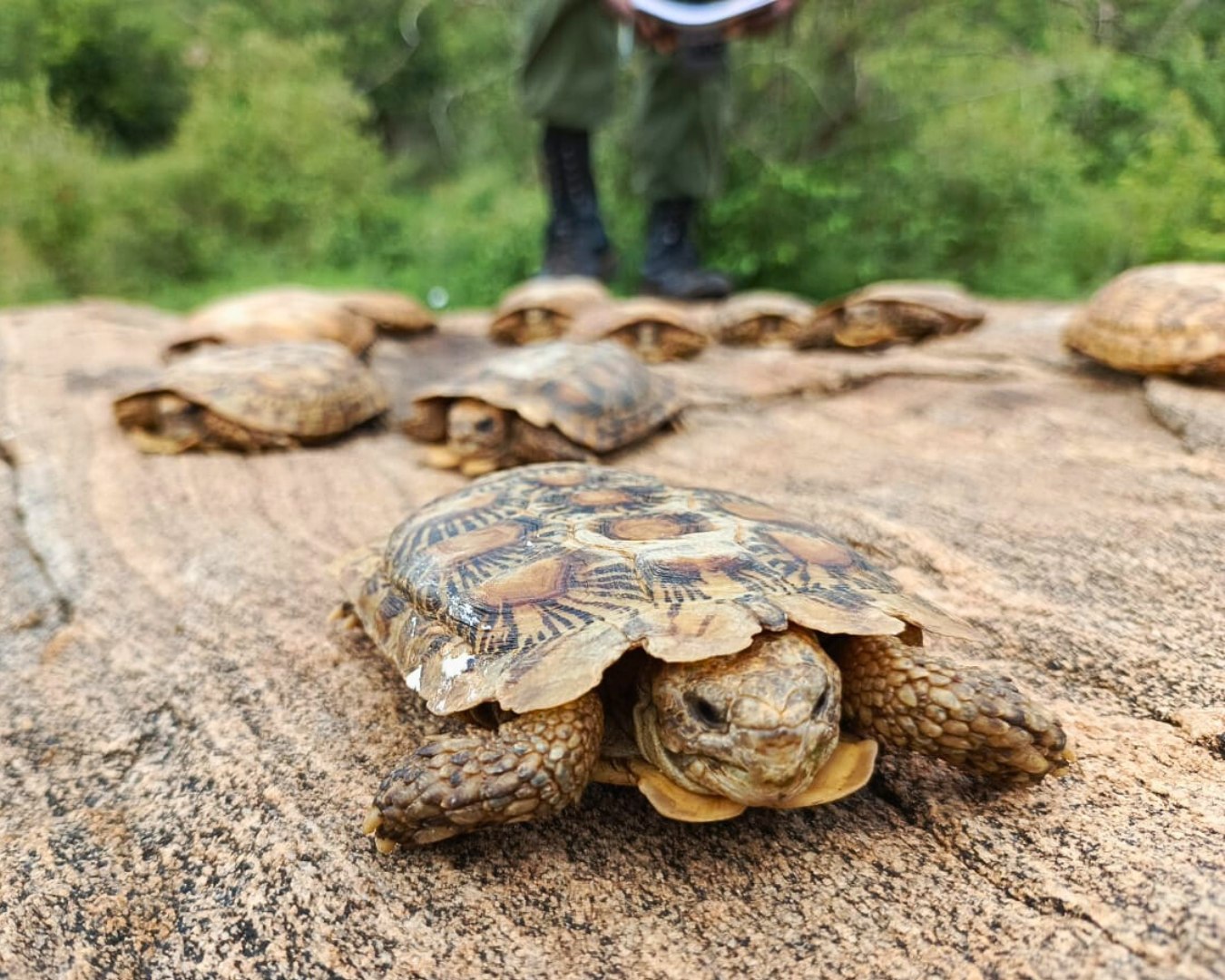
The Pancake Tortoise (Malacochersus tornieri) is a small, intriguing reptile native to the rocky landscapes of Kenya and Tanzania. Recognized for its unique flat shell, this species has evolved to navigate narrow crevices in its natural habitat. However, it faces alarming threats due to habitat loss, illegal pet trade, and limited geographic range, earning it a place on the IUCN Red List as Critically Endangered.
The critical status of the Pancake Tortoise underscores the urgency for targeted conservation measures. In response, Kenya has initiated the National Recovery and Conservation Action Plan with vigorous support from organizations such as the Turtle Survival Alliance and Lewa Wildlife Conservancy. This strategic blueprint aims to mitigate threats, enhance habitat protection, and boost population numbers through structured activities and policies.
Central to the Action Plan’s success are collaborations between national and local entities. The involvement of the Kenya Wildlife Service (KWS) and the National Museums of Kenya ensures a robust framework for scientific research and educational outreach. By gathering critical data, these institutions help refine conservation strategies and adapt to emerging challenges.
Local communities play a pivotal role in the conservation effort. Education campaigns are designed to foster a sense of ownership and pride among residents, encouraging sustainable practices and discouraging illegal trade. Community-based conservation initiatives also provide economic incentives that support both wildlife and human livelihoods.
The launch of this Action Plan has highlighted the collaborative spirit between conservationists, local authorities, and international partners. The Governor of Tharaka Nithi County, Onesmus Njuki, alongside officials from the Ministry of Wildlife and Tourism, has expressed strong commitments to safeguarding the Pancake Tortoise’s future. This multifaceted approach is essential for fostering long-term, sustainable solutions.
However, challenges remain in the quest to secure the Pancake Tortoise’s survival. Ongoing threats from habitat destruction, combined with climate change, pose significant risks. Conservationists must therefore continue to adapt strategies, integrating new research findings and leveraging technological advancements for monitoring and protection.
By analyzing the Pancake Tortoise’s ecological needs and population dynamics, conservationists can design more effective plans that cater to its survival. The use of modern tools like GPS tracking and remote monitoring facilitates precise interventions, ensuring minimal human disturbance while maximizing conservation gains.
Kenya’s efforts to save the Pancake Tortoise stand as a beacon of hope for other endangered species worldwide. This exemplary model emphasizes the necessity for international cooperation, stringent policy implementation, and active community engagement. By focusing on these elements, the Pancake Tortoise has a stronger chance of thriving in its natural habitat.
The National Recovery and Conservation Action Plan serves as a reminder of the importance of proactive conservation measures. It champions an integrated approach that balances scientific rigor with practical, on-the-ground action. As global environmental challenges grow, the strategies embodied in this plan offer a template for similar conservation endeavors globally.
In conclusion, the National Recovery and Conservation Action Plan represents a comprehensive strategy to revive the Pancake Tortoise population. By engaging various stakeholders and promoting sustainable practices, Kenya is taking significant strides in wildlife conservation. This initiative not only addresses immediate threats but also lays the groundwork for enduring ecological and community benefits.
As these efforts unfold, the broader implications for biodiversity conservation become increasingly apparent. Protecting the Pancake Tortoise is not just an isolated endeavor but part of a larger commitment to preserving the natural world for future generations.
*****
Source Description
This May, the National Recovery and Conservation Action Plan for the Pancake Tortoise was launched in Kenya. Turtle Survival Alliance, Lewa Wildlife Conservancy, National Museums of Kenya, and Kenya Wildlife Service spearheaded this effort to protect this critically endangered species. Read more on our latest blog, “A Second Chance for a Forgotten Species: Kenya’s Plan to Save the Pancake Tortoise,” linked in our bio. Thanks to these efforts, the Pancake Tortoise has a fighting chance for a brighter future.
Support provided by @turtlesurvival, @rewild, Turtle Conservation Fund, and @speciesconservationfund.
Pictured: Pancake Tortoise (Malacochersus tornieri)
IUCN Red List Status: Critically Endangered
Photo 3: The Governor of Tharaka Nithi County, Onesmus Njuki, during the launch.
Photo 4: Officials from the Ministry of Wildlife and Tourism, Kenya Wildlife Service, Museums of Kenya, Tharaka Nithi County and Lewa Wildlife Conservancy, after receiving copies of the Action Plan.
📸: Tharaka Nithi County
