
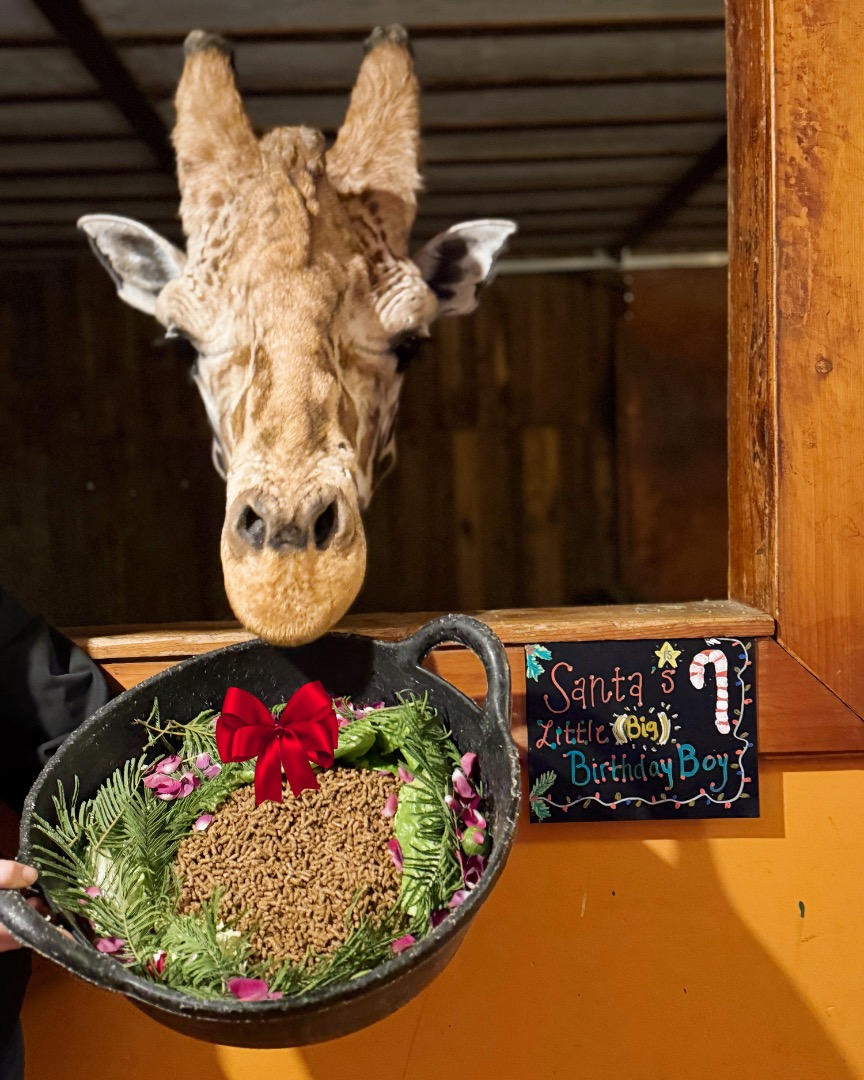
- Importance of celebrating wildlife and conservation during the holiday season
- The significance of animals in holiday traditions
- How individual animals can inspire community action for conservation
- The role of education in promoting wildlife conservation
- Celebrating the legacy of Jagger, the 15-year-old holiday angel
The holiday season often evokes a sense of warmth and joy, which mirrors the importance of wildlife and conservation. This time of year is not only about family gatherings and festive cheer, but also about reflecting on the natural world and its inhabitants. Celebrating wildlife, particularly during the holidays, opens avenues for understanding the connections we share with animals, fostering a sense of responsibility towards their conservation.
During this time, various animals are embedded in our holiday traditions. For instance, reindeer are synonymous with Christmas folklore, while other pets and wildlife are often part of celebratory rituals. Each of these animals offers insight into their species’ roles in ecosystems and serves as a reminder of the importance of wildlife to human cultures. Lessons learned during the holiday season regarding our animal friends can highlight their ecological significance, further instilling a sense of care and respect for them.
The individual stories of animals can strongly influence public sentiment and action towards wildlife conservation. Take Jagger, the 15-year-old holiday angel, as an example. His life showcases the importance of nurturing and caring for animals, focusing attention on broader conservation challenges. When individuals or communities realize that one animal can spark change, it encourages them to get involved in wildlife protection efforts. As we reflect on Jagger’s journey, it’s clear that his presence serves not just as an inspiration but also as a call to action for preserving species at risk.
Education plays a crucial role in conservation initiatives. Individuals equipped with knowledge about local wildlife and their ecological functions can promote more effective environmental stewardship practices. Zoos and wildlife parks, where education serves as a foundational element, provide firsthand learning opportunities that highlight the importance of biodiversity. Through organized events, educational programs, and community outreach, zoos can engage the public, making abstract conservation concerns more relevant and actionable.
As we celebrate the legacy of Jagger on his 15th birthday, it becomes evident how impactful his life has been on the local community. His presence has fostered an atmosphere of compassion and stewardship, instigating conversations about the importance of animal welfare and environmental protection. In examining such narratives, we recognize the interconnectedness of humans and wildlife, especially during significant milestones that commemorate their life and contributions.
Within the scope of wildlife conservation, education remains a vital component. Many individuals are unaware of the intricate relationships within ecosystems and the threats many species face today. This lack of awareness often leads to inaction when it comes to wildlife protection. Fostering a comprehensive understanding of these principles equips communities to advocate for environmental policies and sustainable practices. Promoting responsible pet ownership, habitat preservation, and ethical considerations surrounding wildlife interactions are key educational focal points.
Zoos, such as those involved in community engagement and conservation efforts, highlight the importance of educational initiatives. Various programs offer insights into animal behavior, ecology, and conservation practices. These venues serve as essential platforms for conveying vital ecological knowledge, shaping public attitudes, and inspiring future generations to participate in wildlife conservation.
Highlighting specific cases, we can observe how an individual’s life can revolve around broader environmental issues. Jagger, as a holiday angel, emphasizes the power of compassionate care for animals. His birthday celebration not only acknowledges his life but also serves as a testament to the collective responsibility we share to protect species facing endangerment.
On his special day, families can partake in educational programs at local zoos. Learning about endangered species, their habitats, and threats they encounter can guide families to understand the need for conservation. Kids can engage in hands-on activities, enhancing their awareness and connection to wildlife. This involvement cultivates empathy for animals, illustrating the importance of conservation beyond personal enjoyment.
Additionally, community outreach has become a focal point for raising awareness about wildlife issues. Many zoos participate in partnerships, working hand-in-hand with local organizations to address conservation challenges. Through these cooperative efforts, communities can rally around pressing environmental issues affecting local ecosystems. Engaging in discussions about land usage, habitat conservation, and wildlife corridors fosters a greater understanding of the essential balance regarding human and animal interaction.
As we celebrate Jagger’s legacy, the attention surrounding his life casts light on larger conservation themes. Engagement in local environmental initiatives encourages individuals to think critically about their ecological impact. Reflections on his life and contributions promote discussions on responsible behaviors that can be adopted within various communities.
It is critical to remember that every action has consequences in the grand scheme of ecology. By contemplating choices such as recycling, reducing waste, and advocating for wildlife protection, individuals can contribute to positive change. Celebrating moments like Jagger’s birthday can serve as a catalyst for these discussions within families and communities, heightening awareness and inspiring personal commitments to conservation practices.
Continued efforts in wildlife education serve as a proactive method of combating the issues facing animal populations today. The influence of specific animals, like Jagger, can powerfully impact opinions on welfare and conservation. Positive sentiments fostered by thoughtful narratives can mobilize local efforts and initiatives aimed at preserving endangered species.
Throughout history, specific species have faced immense challenges due to habitat loss, pollution, and climate change. By focusing discussions on the complexities and interdependencies within ecosystems, we can elevate awareness about these contemporary issues. Reframing the narratives surrounding individual animals and engaging in community outreach can influence public policies that support long-term conservation objectives.
Celebrating Jagger’s life on his 15th birthday serves as a heartfelt reminder of love, care, and community cooperation in environmental stewardship. Incorporating elements of wildlife education into holiday traditions cultivates lasting relationships with nature. In doing so, we reaffirm our commitment to protect and conserve wildlife, promoting healthy ecosystems for generations to come.
Through Jagger’s story, individuals are encouraged to realize their connection to the natural world. This connection instills a sense of duty and responsibility, ultimately leading people to take actionable steps to protect wild species. Conversations sparked around his birthday foster understanding of the critical issues affecting wildlife and motivate families to consider sustainable practices that benefit both animals and the environment.
Jagger’s presence encourages families to engage actively in conservation activities, whether through volunteering at local wildlife organizations, participating in citizen science projects, or promoting environmentally friendly practices. These opportunities push individuals to place importance on wildlife well-being, cultivating a culture of awareness that extends beyond the immediate family to encompass the wider community.
As we celebrate milestones like Jagger’s birthday, let’s also prioritize understanding wildlife’s roles within ecosystems. This appreciation for ecological relationships can transform community attitudes, fostering a sense of unity that aligns with shared efforts toward conservation. Action taken to protect animals today will echo throughout the future, reflecting the desires of a generation keen on sustaining the natural world we cherish.
By remembering to honor the lessons that Jagger brings, enthusiasm for wildlife conservation can grow amidst our holiday celebrations. Engaging families at zoo events, fostering educational discourse, and championing environmental initiatives will continue to exemplify how individual stories can inspire collective action. Jagger stands as not just a pet but as a symbol of the beauty that can emerge when communities prioritize wildlife preservation and conservation efforts.
As his birthday approaches, let Jagger serve as both holiday angel and advocate for wildlife conservation. Telling his story helps influence attitudes and behaviors that positively impact wildlife and the environment. Engaging in dialogue surrounding these themes can promote sustainable practices while also celebrating life—in all its diverse forms—across our globe.
*****
Source Description
Twas the night before Christmas when our holiday Angel was born. Happy 15th birthday, Jagger! He’s the best Santa’s little (big) helper!
