
- The significance of baby animal births in wildlife conservation and zoo management.
- The role of zoological parks in breeding and conservation programs.
- The importance of species-specific care and habitat simulation for newborns.
- The impact of public awareness and education through zoo initiatives.
- The challenges and rewards of maintaining genetic diversity in captive populations.
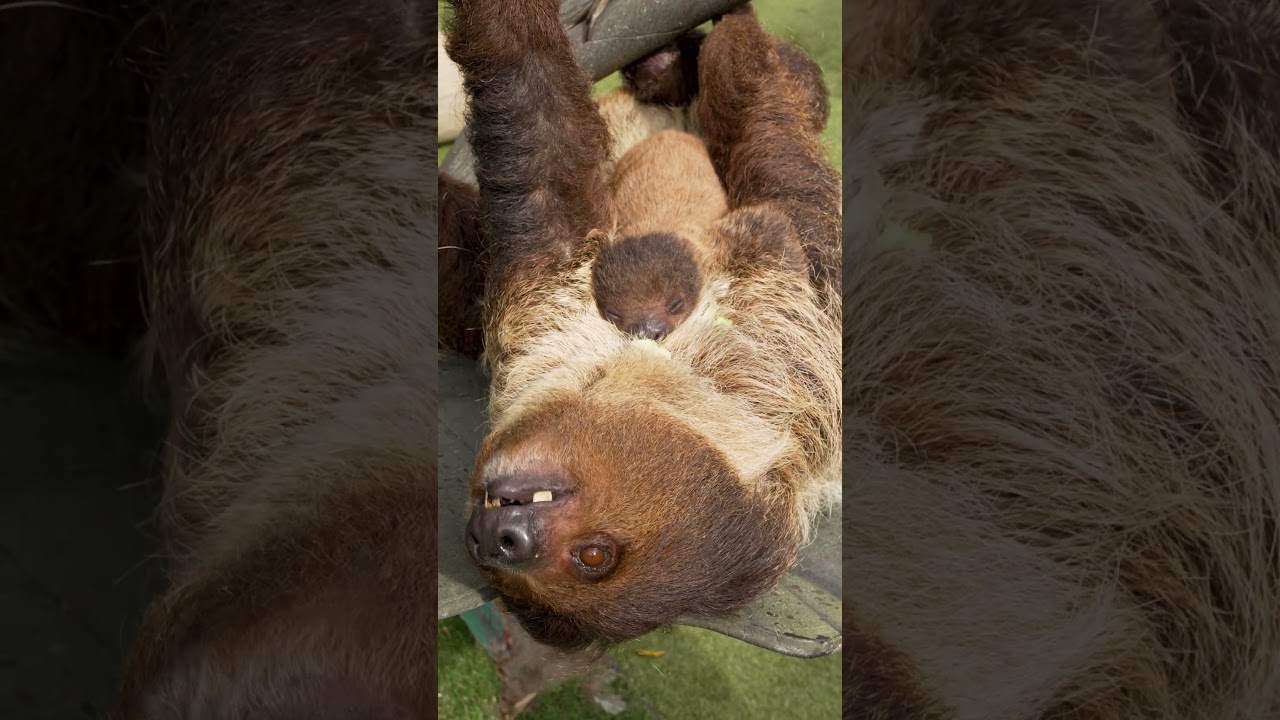
Welcoming new life into the animal kingdom is always a cause for celebration. As ’tis the season for tiny hooves, baby boops, and leggy littles, we pause to consider the broader implications of these delightful arrivals. The birth of baby animals, particularly in controlled environments such as zoos, plays a crucial role in conservation efforts and educational outreach. This phenomenon isn’t just about adorable creatures; it encompasses a critical aspect of wildlife preservation and environmental responsibility.
The significance of baby animal births in wildlife conservation and zoo management cannot be overstated. These births are a hopeful sign in the ongoing struggle to safeguard endangered species. Many zoological institutions collaborate globally to manage breeding programs that focus on preserving genetic diversity. When a newborn is welcomed, it represents the successful continuation of a species potentially on the brink of extinction.
Zoos serve as a sanctuary for species that have lost significant habitat or are threatened by poachers. By simulating natural habitats, zoos provide a controlled environment where animals can thrive despite external threats. These institutions play a vital role in breeding programs. The survival and health of baby animals reflect meticulous scientific planning and coordination that often require international cooperation.
The role of zoological parks extends beyond mere preservation. They participate in breeding programs aimed at reintroducing species into the wild. For example, efforts to reintroduce critically endangered species like the black-footed ferret or Przewalski’s horse hinge on successful captive breeding. Each birth in these programs represents a step toward repopulating their natural habitats. It highlights the importance of genetic management to ensure viable populations.
Species-specific care is paramount for newborns in zoo settings. Each species requires unique attention when it comes to diet, socialization, and developmental needs. For instance, the dietary requirements of an elephant calf differ significantly from those of a lion cub. Successful embryotics and aftercare involve expert knowledge of animal physiology and behavior to mimic natural rearing as closely as possible.
Habitat simulation also plays a critical part in ensuring healthy development. Zoos must replicate climatic conditions, social structures, and diets to allow these young creatures to grow in environments similar to their natural habitats. This demands coordinated efforts from zoologists, veterinarians, and caretakers. Creating such enriched environments is key to enhancing the quality of life for captive-bred offspring.
Public awareness and education are enhanced through exposure to zoo initiatives. Zoos act as a bridge between human society and the natural world, fostering a sense of responsibility and stewardship among visitors. Educational programs underline the importance of conservation as a societal goal, not just a niche interest. Storytelling through baby animal updates often engages audiences on social media, driving home the message that these animals are ambassadors of their species.
Interactive experiences, such as behind-the-scenes tours, expand visitor understanding of conservation work. They reveal the complexities and dedication that underlie zoo operations. Such transparency helps build trust and support for conservation initiatives. The presence of baby animals naturally garners attention, becoming a pivotal point for educating the public about biodiversity and the challenges of wildlife conservation.
The challenges of maintaining genetic diversity in captive populations are substantial but rewarding. Inbreeding can lead to health problems and reduced fertility, which zoos counteract by participating in exchange programs and genetic assessments. Modern technology aids in tracking genetic lineages, ensuring that breeding decisions promote robust populations. Collaborative databases like the Species360 serve as vital tools in this endeavor.
The rewards include not only the survival of a species but also the strengthening of ecosystems. Reintroduction programs can revitalize ecosystems, restoring balance and promoting biodiversity. These efforts align with larger conservation objectives aimed at sustaining the planet’s biological diversity. A single birth in a zoo might ripple out to influence entire ecosystems positively.
Zoos’ multifaceted roles in conservation, education, and research create a future where both people and wildlife can thrive. ‘Tis the season for tiny hooves, baby boops, and leggy littles is more than a joyful observation; it’s a testament to human commitment to our planet’s ecological heritage. Through the combined efforts of dedicated professionals and engaged communities, the future looks hopeful for the diverse species sharing our world.
*****
Source Description
Facebook – https://www.facebook.com/SanDiegoZoo/
Instagram – https://www.instagram.com/sandiegozoo/
Twitter – https://twitter.com/sandiegozoo
Giphy – https://giphy.com/sandiegozoo
TikTok – https://www.tiktok.com/@sandiegozoo
Twitch – https://www.twitch.tv/sandiegozoo
