
- The maned wolf’s unique sleeping habits and behaviors
- The sensory adaptations of Thiago, the maned wolf
- The significance of sleep for wildlife health and conservation
- The role of zoos in educating about maned wolves and conservation efforts
- Fun facts about maned wolves and their habitats
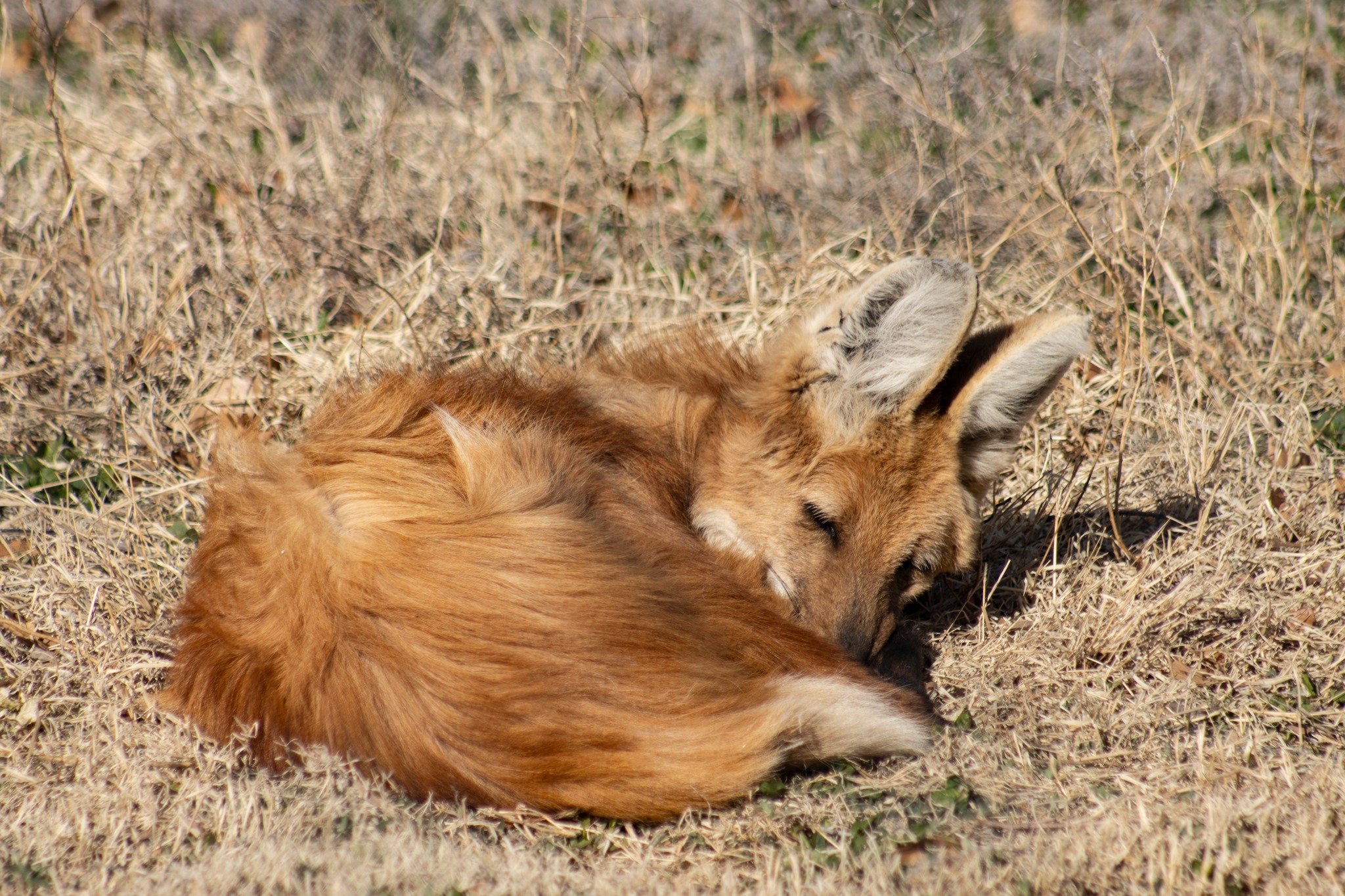
Thiago, the maned wolf, is a master of relaxation and knows how to do "Sleepy Sundays" right. Observing him in his habitat provides a fascinating look into the world of sleep behavior among wildlife. The maned wolf, native to South America, exhibits distinctive sleeping habits that allow it to thrive in its natural environment. Thiago’s ability to balance rest and vigilance is a testament to the adaptations that support an active lifestyle in the wild.
Maned wolves are known to sleep during the day and become more active during twilight hours. This crepuscular behavior aligns with their predatory nature and lifestyle. During "Sleepy Sundays," Thiago can often be seen lounging comfortably, yet still alert. His long legs, slender frame, and large ears provide him with both an exquisite ability to detect sounds and the opportunity to rest effectively. This unique adaptation allows him to be aware of his surroundings while enjoying the needed downtime. Sleep patterns in maned wolves vary depending on environmental factors such as temperature and the presence of predators.
The sensory adaptations of Thiago are a remarkable aspect of his biology. With ears that can rotate independently, maned wolves easily pick up a wide range of sounds. This adaptation allows them to remain alert even while resting. Thiago’s big ears serve as a crucial asset for survival, enabling him to detect the rustling of leaves or the movements of potential threats long before they approach. In addition to auditory sensitivity, maned wolves possess acute senses of smell and vision. These combined sensory adaptations support active foraging and social behaviors.
Understanding the significance of sleep for wildlife health is vital to environmental conservation. Sleep serves various crucial functions for maned wolves, including maintaining cognitive function, regulating metabolism, and promoting overall well-being. Sleep deprivation in wildlife can lead to compromised immune systems, reduced foraging efficiency, and lower reproductive success rates. Research on animal sleep patterns contributes to broader conservation efforts by highlighting the importance of habitat quality and ecological balance. Protecting habitats where animals can rest and recuperate is essential for sustaining biodiversity.
Zoos play a significant role in educating the public about maned wolves. As creatures often overlooked in conservation discussions, they deserve attention for their ecological roles and the challenges they face in the wild. Educational programs highlight the importance of conservation efforts aimed at preserving the habitats of maned wolves and other vulnerable species. At facilities like zoos, visitors can learn about Thiago and his kin while being informed about their natural behaviors and the threats they encounter in the wild.
In addition to their sleep habits, maned wolves exhibit several intriguing characteristics. Despite their name, they are not true wolves but rather belong to their own species within the canid family. Adult maned wolves stand around 3 feet tall at the shoulder, and they weigh between 50 and 70 pounds. Their distinctive reddish-brown fur, long legs, and fox-like face make them easily recognizable in their native habitats.
While Thiago enjoys his "Sleepy Sundays," he also participates in various activities when awake. He exhibits behaviors such as scent-marking, foraging for fruit, and social interactions with other canids. Maned wolves primarily feed on small mammals, birds, and fruits, showcasing their adaptability in diverse habitats ranging from grasslands to scrub forests.
Preserving the maned wolf’s habitat is crucial for ensuring their survival. Human encroachment, agricultural expansion, and habitat fragmentation have led to significant threats to their population. Conservationists work tirelessly to promote the protection of these unique animals and their ecosystems. Community involvement is key, as educating local populations about the importance of maned wolves can facilitate more sustainable practices.
As we observe Thiago enjoying his leisurely naps, we are reminded of the complex interplay between sleep, ecology, and conservation. Understanding the natural world extends beyond mere observation; it demands a commitment to preserving the balance of ecosystems that enable species like the maned wolf to thrive. The continued success of conservation efforts against habitat loss and climate change can significantly impact not only maned wolves but all wildlife. Choosing to celebrate and protect these animals contributes to a more harmonious relationship between humans and nature.
Thiago’s existence is a call to action for conservationists and animal lovers alike. By shedding light on these captivating creatures, we deepen our understanding of wildlife conservation and the realities that numerous species face. Addressing the threats to maned wolves and their habitats requires collaborative efforts between governments, conservation organizations, and local communities.
In summary, the story of Thiago, the maned wolf, is emblematic of broader ecological narratives. His ability to adapt to his environment, coupled with his unique sleeping habits, serves as a reminder of the importance of all animal lifestyles. The maned wolf’s future relies on our understanding, protection, and stewardship of their habitat.
Happy napping to Thiago, the expert in all things Sleepy Sunday! By observing and learning from this remarkable animal, we can all contribute to a world where wildlife can thrive peacefully, balancing the need for sleep with the demands of survival.
*****
Source Description
Thiago the maned wolf knows how to do “Sleepy Sundays” right!
Don’t be mistaken, he wont be caught off guard, those big ears help him stay alert to his surroundings even when he’s snoozing! 💤
Happy napping!
