
- The importance of venomous snake response drills in zoological settings
- Understanding the different response protocols for venomous versus non-venomous snakes
- Real-time coordination and its role in enhancing emergency response
- The significance of debriefs for continuous improvement in emergency preparedness
- The broader implications of these drills for wildlife conservation and public safety
The importance of venomous snake response drills in zoological settings cannot be overstated. These drills prepare staff to react quickly and effectively in the event of a snake bite, which can be life-threatening. Zoos often accommodate various species, some of which could pose risks to both humans and other animals. Training staff on how to respond improves not only their safety but also the welfare of the animals in their care. This month, our partnership with the local hospital highlights the urgency of these preparations. By conducting real-life simulations, we can foster a culture of readiness and vigilance in our team.
Understanding the different response protocols for venomous versus non-venomous snakes is critical. While non-venomous snake bites can certainly be painful, they generally pose less risk of severe injury or death. In contrast, venomous snakes can deliver toxins that lead to serious medical conditions. Training programs emphasize identification and assessment of snakes, equipping staff with the knowledge to distinguish between species. For example, knowing whether a snake is a rattlesnake or a garter snake could alter the medical response significantly. The drill includes clear guidelines on what steps to take when handling either type, ensuring proper first aid is administered before professional medical help arrives.
Real-time coordination is another key aspect that enhances our emergency response efforts. During these drills, communication is simulated from the moment of a reported snake bite to the arrival of medical personnel. This process offers valuable insights into how to optimize engagement with local emergency services. Efficient communication minimizes delays, ensuring that a victim receives care in the shortest timeframe possible. Observing how emergency transport operates and how quickly they arrive at the scene models the real-life challenges faced in actual incidents. By documenting timing, responses, and logistics, we can identify potential loopholes in the current system.
Post-drill debriefs play a vital role in assessing the effectiveness of our emergency preparedness protocols. In these discussions, curators, keepers, rangers, and emergency staff come together to analyze the event thoroughly. Staff are encouraged to share observations and experiences, fostering an environment where learning is paramount. These debriefs stimulate dialogue about what went well and what could be improved, creating a feedback loop that informs future drills and real-life responses. This proactive approach reduces uncertainty during actual emergencies and strengthens the entire team’s preparedness.
The broader implications of these drills extend into wildlife conservation efforts and public safety. Educating staff about snake behavior, habitat, and conservation status is important, particularly in light of declining snake populations worldwide. Conscious engagement with the community on these topics increases awareness of the ecological roles that snakes play, diminishing the stigma surrounding them. Visitors to zoos may feel nervous about snakes; therefore, comprehensive training allows our staff to educate the public safely while addressing concerns. Additionally, implementing safe practices reduces the risk of a snake bite incident occurring, effectively protecting our guests, our team, and the animals in our care.
Safety concerns extend beyond human interaction; they also encompass the overall welfare of the snakes themselves. Ensuring that our policies prioritize their well-being aligns with modern conservation practices. Safeguarding against the potential threats posed by both venomous and non-venomous species requires a two-pronged approach: immediate action protocols and long-term strategies for habitat protection. It is crucial to understand the ecological implications of venomous snakes and their unique adaptations, as they often play critical roles in pest control, balancing ecosystems.
Training does not stop at initial drills. It is a continuous process that incorporates new scientific findings and recommendations. As our understanding of snake behavior and venom toxicity evolves, so should our methodologies for staff training and emergency response. Keeping abreast of the latest developments in herpetology informs best practices and ensures that staff members are equipped with the most current information available.
Moreover, enhancing community engagement through educational initiatives can have lasting impacts. These programs can range from interactive exhibits to hands-on workshops. They aim to foster appreciation for snakes and other reptiles. Such initiatives can demystify their behavior and ecology, allowing broader public understanding of their importance within ecosystems. This awareness may encourage individuals to act ethically and responsibly toward snakes they encounter in nature, ultimately contributing to conservation efforts.
Collaborative efforts with local hospitals strengthen the network of support available in emergencies. Establishing protocols not only sets expectations for zoo staff but also fosters collaboration among multiple agencies. This partnership can extend beyond immediate emergency drills to include workshops or joint educational campaigns focused on venomous snakes. By pooling expertise, we create a comprehensive engagement strategy that benefits everyone involved—animals, staff, and the public.
Understanding the ecological impact of venomous and non-venomous snakes is vital for effective conservation policy-making. As educators, we have a unique opportunity to advocate for the preservation of snake habitats and their populations. A well-rounded training program that encompasses both emergency response and conservation education creates a model for holistic wildlife management.
Engaging with the scientific community further enriches our training efforts. Establishing connections with researchers studying venom composition, antivenom efficacy, and snake behavior provides insights that are crucial for refining our protocols. It allows our staff to engage in evidence-based practices which bolster both their safety and the well-being of our animal populations.
The re-evaluation of snake-related protocols should also incorporate lessons learned from other emergency scenarios. By analyzing case studies from similar facilities, we can adopt and adapt successful strategies. Understanding different types of emergencies prepares staff for a variety of scenarios, enhancing resilience and readiness throughout the team.
Utilizing technology can make our drills more effective. Incorporating tools such as simulation software or virtual reality can provide immersive training experiences. These technologies engage staff in a dynamic learning experience, bridging the gap between theory and practical application. Staff members become better equipped to handle real-world issues, making the drill even more impactful.
Resource allocation is an important element in making these drills successful. Budgeting for better equipment and training materials can significantly elevate the quality of our drills. Financial investments in key areas enhance overall operational readiness while also prioritizing safety. Future-proofing our emergency response capabilities ensures our team’s preparedness aligns with best practices and evolving industry standards.
Regularly reexamining our policies can reveal both strengths and weaknesses in our current protocols. This ongoing evaluation is essential for keeping pace with changes in snake populations and the medical field. Our team thrives when we adopt a culture of openness and continuous improvement. Periodic assessments create a foundation upon which staff can grow and adapt, leading to better emergency responses.
As we approach the opening of Asia, these drills solidify our commitment to animal welfare, guest safety, and community engagement. Each simulated scenario and debriefing session shapes our approach to emergency preparedness. The insights gained during these practices inform every aspect of our operations, promoting a safer and more reliable environment for all. Through thorough training, real-time coordination, and community collaboration, we guarantee a more secure and informed approach to snake-related emergencies.
By capitalizing on our partnerships with local medical professionals, prioritizing ongoing training, and fostering a culture of readiness, we enhance our commitment to both conservation and the safety of our community.
*****
Source Description
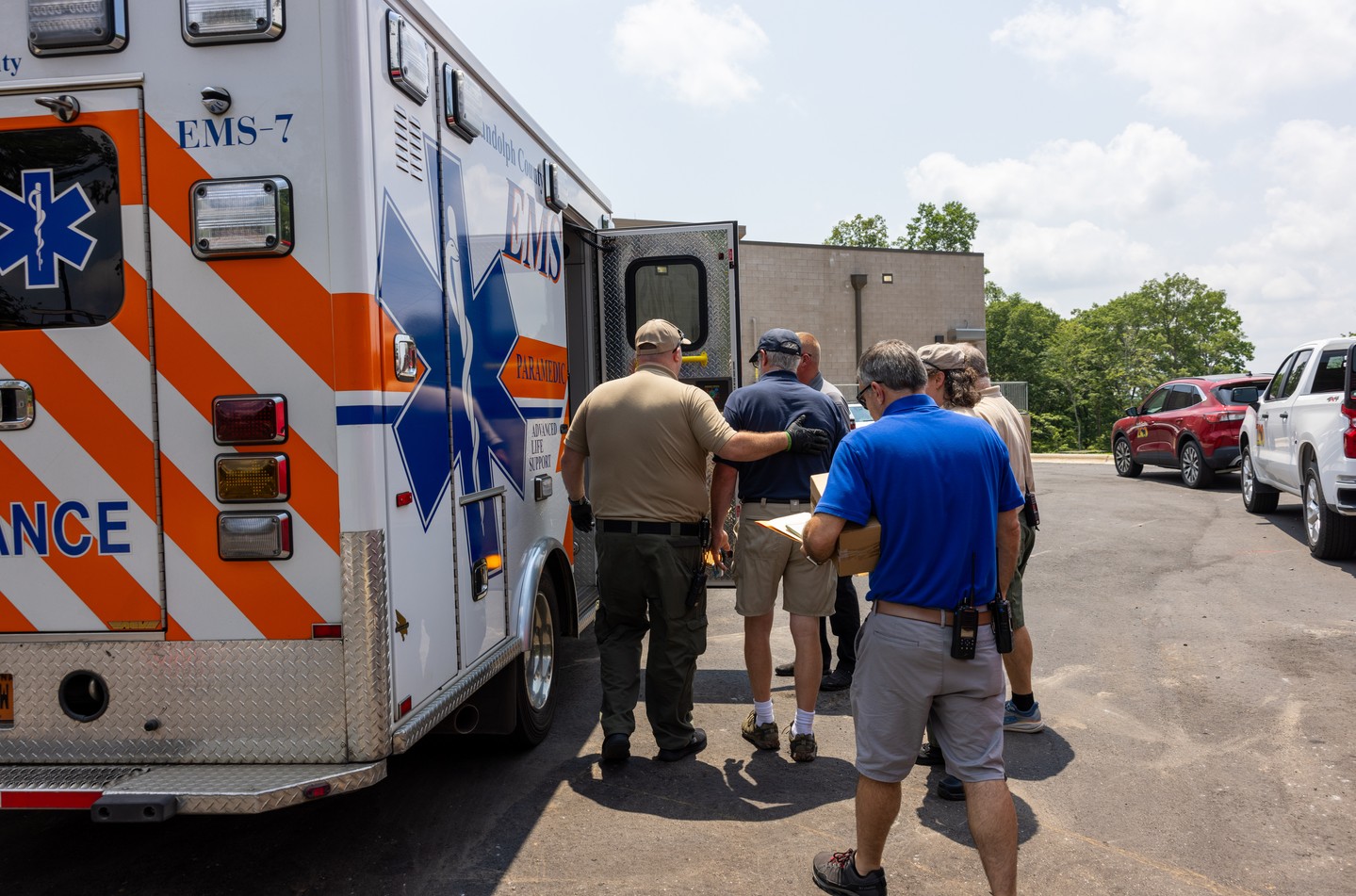
This month, we partnered with our local hospital for a venomous snake response drill, which is crucial for our team’s readiness and safety. These essential drills help us ensure that both our staff and emergency services know how to respond effectively in snake-related emergencies, keeping guests, staff, and animals safe. 🚑 🐍
As we prepare for the opening of Asia, we are conducting these practice drills to ensure our readiness for various scenarios. It’s important to note that venomous and non-venomous snakes have different response procedures, and our team is trained to handle each situation appropriately.
🚨 What made this drill especially effective was the real-time coordination of communications and emergency transport to the Zoo. This allowed us to closely simulate and evaluate the timeline of a real-life incident; from the moment of a reported bite to the arrival of medical assistance, providing us with invaluable insights.
Afterward, curators, keepers, rangers, and emergency staff held a debrief to reflect on the response, share observations, and identify ways to improve our protocols. These discussions are crucial for refining our emergency preparedness! 📝
