
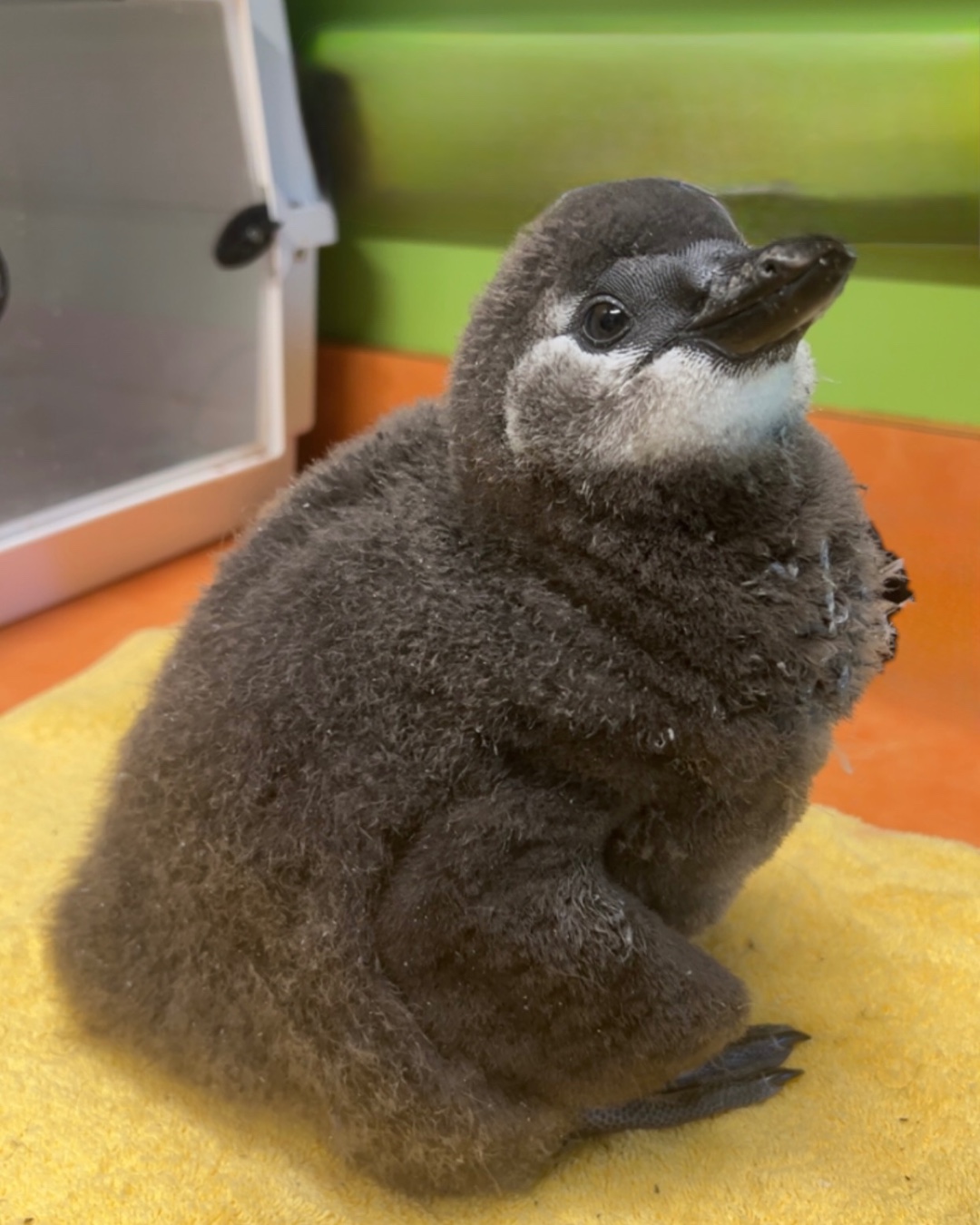
- The significance of baby Smoky in wildlife conservation
- The role of the AZA Species Survival Plan (SSP) in animal management
- The breeding and transfer processes within the SSP
- The impact of genetic diversity on population health
- The future of penguins in managed care and conservation efforts
Baby Smoky is not just another cute penguin; he represents a vital aspect of wildlife conservation efforts in zoological settings. His journey highlights the importance of breeding programs aimed at protecting species at risk. Baby Smoky is a star within the AZA Species Survival Plan (SSP), an initiative focused on ensuring the long-term sustainability of various animal species, including penguins. Understanding the significance of this program provides insights into how zoos and aquariums actively participate in conservation while educating the public.
The AZA Species Survival Plan is an essential component of wildlife management in accredited facilities. Established by the Association of Zoos and Aquariums (AZA), this program aims to maintain healthy populations of animal species in zoos and aquariums through scientific research, coordinated breeding, and collaboration with institutions worldwide. As part of the SSP, Smoky’s breeding and care is carefully monitored to foster a genetically diverse and healthy population. Each species within the program has designated managers and committees that oversee various aspects, including animal care, breeding strategies, and habitat management.
Breeding and transfer processes within the SSP are anything but arbitrary. They are based on meticulous genetic studies, behavioral assessments, and environmental considerations. This approach allows for informed decision-making regarding breeding pairs and individuals that may need to be transferred among AZA-accredited facilities. In the case of penguins like Smoky, the focus is on creating genetic variety and resilience, which is crucial in addressing survival threats posed by habitat loss and climate change. Each breeding decision is taken with the aim of enhancing the overall health and vigor of the population, ensuring that future generations of penguins have a higher chance of survival.
The role of genetic diversity is central to the success of conservation programs like the SSP. Genetic variation within a population can significantly impact its adaptability and long-term viability. Penguins, like many other species, face challenges from environmental changes and disease. When a population has limited genetic diversity, its members may be more susceptible to diseases or less able to adapt to shifting environmental conditions. By carefully managing breeding programs, experts work to preserve and enhance genetic diversity among penguins in managed care, providing a safeguard for their future.
Looking towards the future, the importance of zoos and aquariums extends beyond merely housing animals. They serve as vital hubs for research and conservation initiatives. Baby Smoky and his peers help educate visitors about the challenges faced by penguins in the wild, inspiring communities to adopt sustainable practices. Engaging educational programs highlight the ongoing threats to penguin habitats, such as climate change and pollution, while promoting a greater understanding of individual responsibility in conservation efforts.
The conservation of penguins relies not only on breeding programs but also on a collaborative approach involving multiple stakeholders. AZA-accredited facilities often partner with governmental and non-governmental organizations focused on habitat protection and species rehabilitation efforts. These collaborations are critical in implementing effective conservation strategies, which are aimed at addressing the complex threats that lead to population declines in the wild. Through combined efforts, research, advocacy, and public education can lead to meaningful change in penguin conservation.
It is essential to acknowledge the role of the public in supporting these conservation efforts. By visiting zoos and aquariums, people are not only given the opportunity to observe animals, but they also become part of a larger movement advocating for wildlife preservation. Contributions made through admission fees, donations, and programs like “adopt an animal” provide necessary funding for research, animal care, and conservation initiatives. Public awareness fosters a stronger commitment to environmental stewardship, making it crucial for zoos and aquariums to remain engaged with their communities.
Conservation and animal management operate within a framework of ethical considerations, especially regarding breeding and care practices. The welfare of animals in zoos and aquariums is a priority, as they must provide environments that replicate natural conditions as closely as possible. Animals such as baby Smoky benefit from enrichment programs that encourage natural behaviors, which enhance their overall well-being. Institutions participate in continuous education regarding animal care, resulting in ongoing improvements to sheltering, feeding, and healthcare practices.
As the world grapples with biodiversity loss, the role of managed care facilities in conservation becomes ever more critical. The success stories stemming from programs like the SSP provide a consistent reminder that action can lead to positive change. For species such as penguins that are facing increasing threats due to human activity, the deliberate and informed breeding practices realized through the SSP represent a beacon of hope.
Educational initiatives play a persuasive role in enhancing community engagement. By sharing the story of baby Smoky and others like him, zoos encourage visitors to develop a personal connection with these animals. Engaging storytelling enhances empathy and awareness of conservation issues. Children and adults alike are often inspired by their interactions with wildlife, fostering a sense of responsibility for future generations.
The example of Smoky illustrates the importance of handling wildlife conservation with a compassionate, informed approach. Penguins, being social animals, thrive in environments that allow for social interaction and appropriate space. Careful management of breeding programs contributes to the social structures essential for their well-being, allowing animals to engage in natural behaviors.
Today, technology continues to enhance conservation efforts, including genetics and habitat monitoring. Innovations such as DNA profiling aid in informed breeding decisions and health assessments, which are crucial for genetic management. Additionally, tracking populations in the wild through satellite imagery and remote sensing provides researchers with valuable data that informs management practices. This blend of technology and animal care enriches our understanding of species in managed care and their wild counterparts.
The dedication to preserving penguins and other species will remain a priority for AZA-accredited zoos and aquariums. Baby Smoky’s story is just one representation of the ongoing effort to safeguard vulnerable species while fostering a deep understanding of wildlife and conservation issues. By cultivating community awareness, sharing scientific knowledge, and promoting sustainable practices, these institutions aim to build a world where all species can thrive.
Educational programs, research, and partnerships underline the ongoing commitment to species survival and conservation. While baby Smoky captivates audiences with his charm, the bigger picture reveals a dynamic, interconnected system focused on ensuring the long-term survival of species like penguins. As threats to wildlife continue to grow, community involvement, scientific innovation, and ethical management will remain vital for effective conservation strategies. Through these combined efforts, people today can maintain a healthy future for all species and create a lasting legacy for generations to come.
*****
Source Description
Throwback to baby Smoky! 🍼
This little penguin isn’t just adorable, he’s also part of something much bigger. Smokie is a star in the AZA Species Survival Plan (SSP), a program that helps ensure the long-term survival of penguins and many other species in managed care. Through partnerships with AZA-accredited zoos and aquariums, experts carefully manage breeding and transfers to maintain healthy, genetically diverse populations for the future.
