
Summary of How to stay chinchillin’:
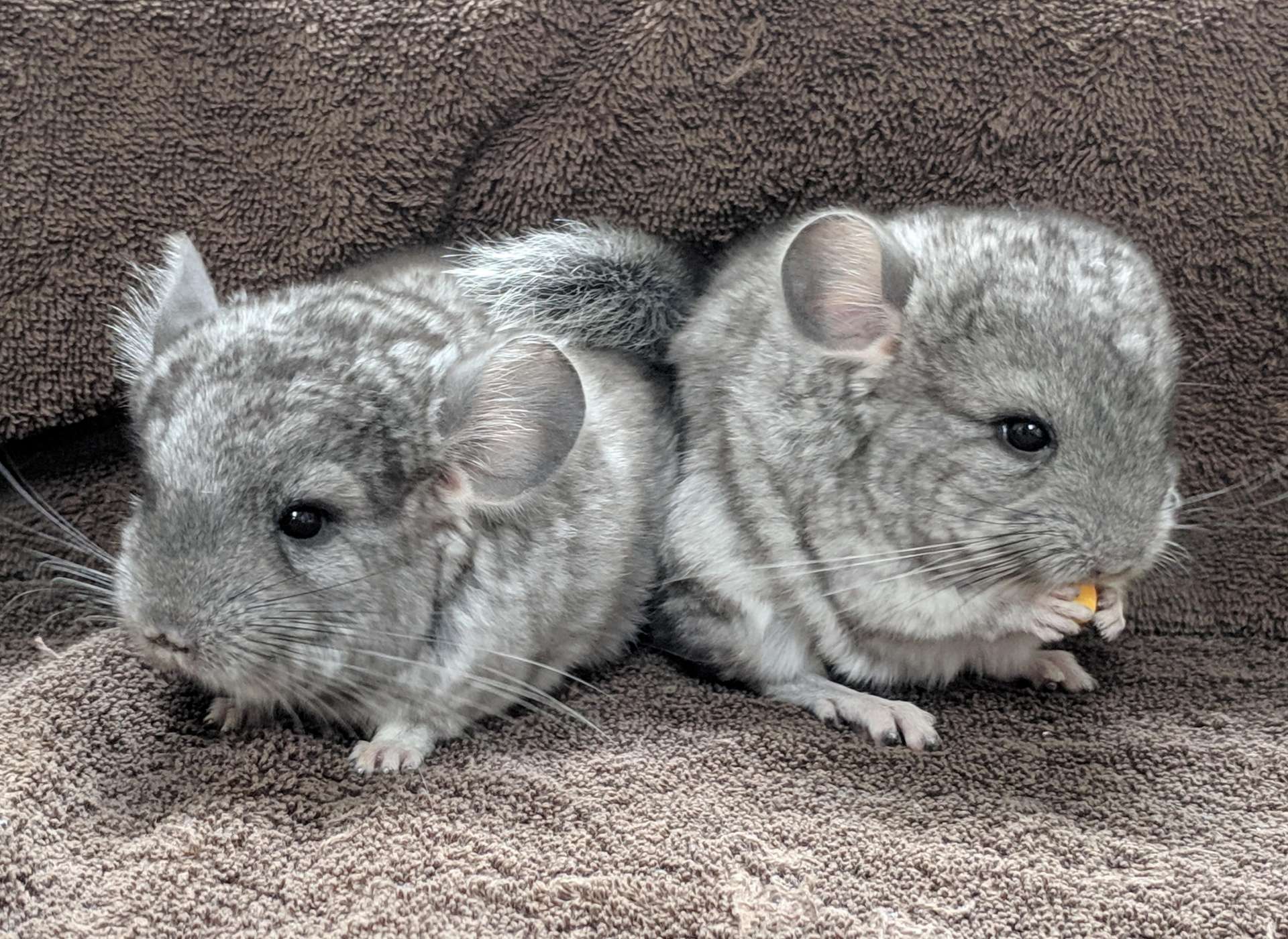
Robert A., a lead animal care professional, shares interesting facts about chinchillas. Known for their incredibly soft fur, chinchillas have thick coats to protect them from extreme weather in the Andes Mountains. Instead of bathing in water, they use dust to maintain their fur by loosening dead skin and oils. Chinchillas, like the zoo’s Gizmo and Stripe, are primarily nocturnal and appear low-energy during the day, often napping. They make noise only when stressed, which is rare. Visitors may not see much activity during the day, but occasionally, they might see the chinchillas dusting themselves. Robert encourages visitors to say hi to the chinchillas when they come by.
- Chinchilla Anatomy: Fur and Adaptations
- Daily Behavior: Nocturnal Habits and Relaxation
- Dust Bathing: Grooming Without Water
- Stress Indicators: Understanding Vocalizations
- Conservation Status: Threats and Habitat Loss
Chinchilla Anatomy: Fur and Adaptations
Chinchillas possess one of the softest furs in the animal kingdom, a feature that has generated fascination for years. Each chinchilla has approximately 60 to 70 hairs growing from a single follicle. This unique adaptation helps provide insulation against the cold temperatures of their native Andes Mountains, where temperatures can drop dramatically. The dense coat not only offers warmth but also protects them from harsh weather conditions. Interestingly, the way they care for their fur is crucial for their health since a well-maintained coat keeps them insulated and comfortable.
The fur of a chinchilla serves multiple purposes. It acts as a barrier against wind, offers protection from potential predators, and maintains body temperature. These features illustrate why maintaining a proper environment and care routine is vital for both pet and wild chinchillas. By understanding their anatomy, we can ensure they live healthier lives in both captivity and in their natural habitats.
Daily Behavior: Nocturnal Habits and Relaxation
Chinchillas are primarily nocturnal animals, meaning they are most active during the night. This behavior is crucial for their survival in the wild. Nighttime activity allows them to forage for food while evading daytime predators. Consequently, during the day, chinchillas spend much of their time resting in burrows or hidden areas to avoid detection.
This tendency for relaxation can be misleading for those unfamiliar with chinchilla behavior. Visitors may see them lounging around and assume they are lethargic. However, what might appear as inactivity is simply a natural part of their daily routine. The primarily nocturnal lifestyle means they conserve energy during daylight hours, which can make them appear quite still and calm when observed.
Understanding this aspect of their behavior can enhance our interactions with chinchillas in zoos and as pets. For individuals considering chinchillas as pets, recognizing their nocturnal nature is essential for ensuring a stress-free environment.
Dust Bathing: Grooming Without Water
Unlike many other animals, chinchillas do not bathe in water. Instead, they engage in a fascinating activity known as dust bathing, which plays a vital role in their grooming routine. Chinchillas live in arid conditions where water can be scarce. Dust bathing serves multiple purposes, including the removal of excess oils, dead skin, and dirt from their fur.
The process involves rolling and thrashing in finely powdered volcanic sand specifically designed for chinchillas. This “bathing” helps keep their coat clean, which in turn supports the insulating properties of their fur. When they wiggle around in the dust, it gets into their fur, loosening any debris that may be trapped. This not only keeps their fur clean but also helps to maintain its softness, which is crucial for their overall wellbeing.
Providing chinchillas with opportunities for dust bathing is vital for their health. Dust baths should be done several times a week to maintain their coat’s integrity. For pet owners, this highlights the importance of investing in suitable bathing dust and ensuring a safe area for their chinchillas to indulge in this natural behavior.
Stress Indicators: Understanding Vocalizations
While chinchillas are generally quiet animals, they do have a particular way of expressing stress. When feeling threatened, they may emit a high-pitched bark, often referred to as a “chinchilla bark.” This vocalization serves as a warning signal to other chinchillas in the area. Understanding these vocal cues is fundamental for anyone interacting with chinchillas, whether in captivity or in the wild.
Minimizing stress factors is critical for chinchilla health. Common stressors include loud noises, sudden movements, or changes in their environment. Keeping habitats consistent and calm contributes significantly to a chinchilla’s wellbeing. Monitoring them for vocalizations can also provide insights into their current emotional state.
Familiarizing oneself with the signs of stress can aid pet owners and caretakers in maintaining a nurturing environment. Providing enrichment activities, such as chew toys or climbing structures, can help alleviate behavioral stress and promote a happy, healthy chinchilla.
Conservation Status: Threats and Habitat Loss
Chinchillas face significant threats in the wild, primarily due to habitat loss and hunting for their fur. Commercial demand for chinchilla fur has led to dramatic population declines, particularly in the wild. Their natural habitats have been encroached upon by agriculture and urban development, which further complicates their survival.
Currently, chinchillas are classified as endangered. Conservation efforts are crucial to securing their future. Protective measures include habitat preservation, breeding programs, and national legislation to safeguard wild chinchilla populations. Organizations and zoos play an essential role in educating the public about the importance of preserving these unique creatures.
Efforts to rescue and rehabilitate chinchillas in captivity also contribute to broader conservation initiatives. By raising awareness and promoting ethical treatment, these initiatives serve as vital components in the ongoing mission to support chinchillas and their habitats. Keeping chinchillas safe remains a shared responsibility among individuals, organizations, and local communities.
By focusing on the fascinating aspects of chinchillas—such as their specialized fur, unique behaviors, and pressing conservation needs—we can cultivate a deeper understanding of these remarkable animals. Each point discussed paints a clearer picture of what chinchillas need to thrive, both in captivity and in their natural environments. Whether as loving pets or iconic ambassadors in zoos, chinchillas capture our interest and serve as important reminders of the need for thoughtful animal care and wildlife conservation.
