
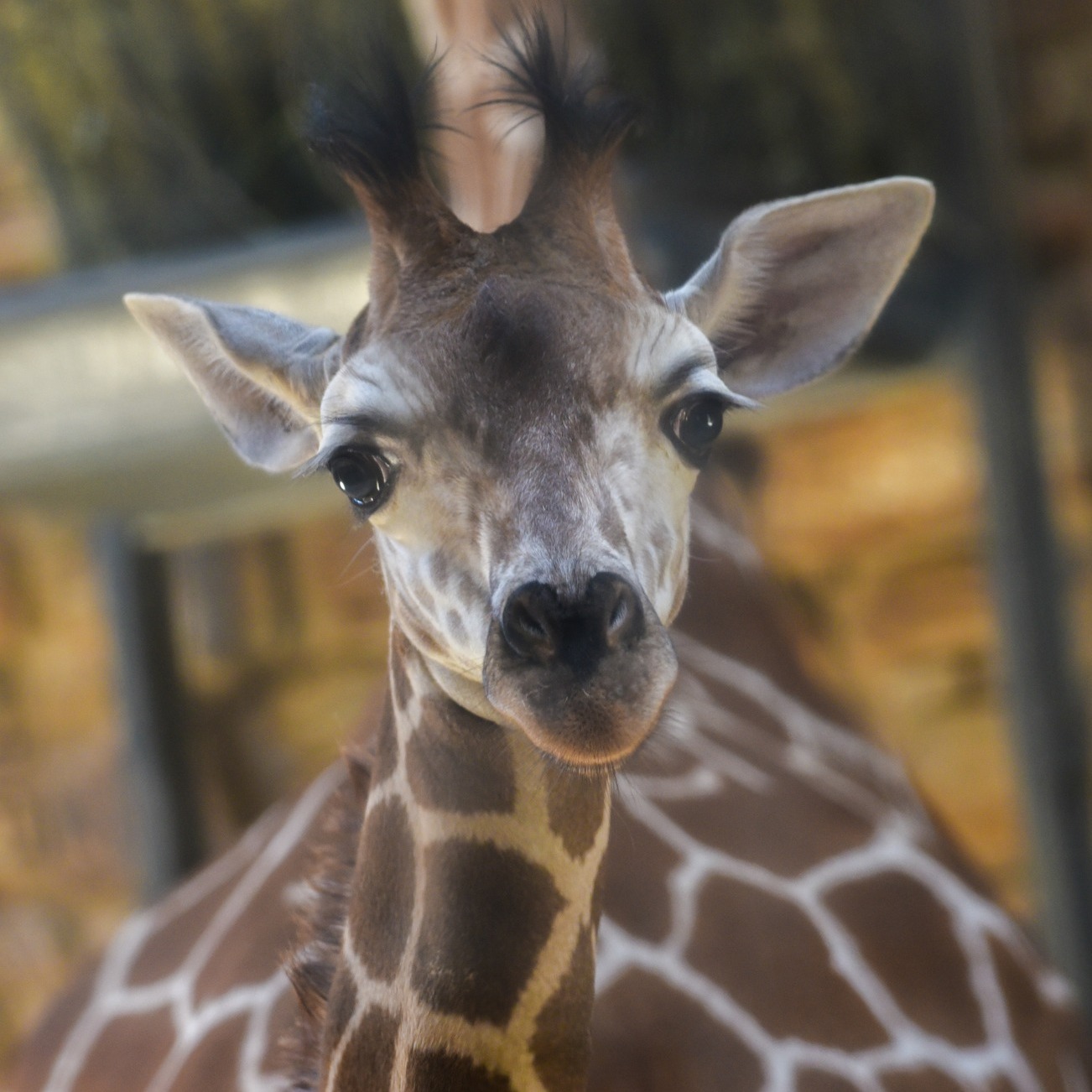
- Giraffe biology and development during infancy
- The social dynamics of giraffe herds and maternal care
- The significance of conservation efforts for giraffes
- The role of zoos in education and wildlife preservation
- Titali’s daily activities and milestones as a four-month-old giraffe calf
Giraffe biology and development during infancy
Giraffes, the tallest land mammals, undergo remarkable changes during their early life stages. A giraffe calf, like Titali, experiences rapid growth and development within the first few months. At birth, a giraffe calf usually stands about six feet tall and weighs around 100 to 150 pounds. During its early months, the calf will gain approximately 20 pounds each month. Titali, now four months old, has likely reached over eight feet in height, demonstrating the species’ impressive growth rate.
In addition to physical growth, a calf’s brain develops significantly during this time. Giraffe calves are born with a well-defined social structure, which begins to emerge early on. At four months, Titali is already participating in her mother’s life, learning critical survival skills, and establishing social bonds with other herd members. Visual and auditory senses become more acute as the calf engages with its environment, leading to enhanced learning and adaptability.
The social dynamics of giraffe herds and maternal care
One of the fascinating aspects of giraffe behavior is their social structure. Giraffe herds are typically loose and fluid, characterized by a dynamic system of interaction. Adult females, or cows, typically care for their young, allowing calves like Titali to experience social learning. A mother stays close to her calf for the first year, providing not just protection from predators but also mentorship in navigating their environment.
Around four months, Titali becomes more engaged with other members of the herd. Social interactions are vital for learning essential behaviors. The calves observe older giraffes, mimicking their actions and establishing their ranks in the social hierarchy. These interactions can influence feeding and grazing patterns, which remain critical for their growth.
Mothers will often leave their calves in the care of other females in the herd. This practice not only strengthens social bonds but also allows for extra vigilance against threats. As Titali grows, these social ties will play a crucial role in her development and survival.
The significance of conservation efforts for giraffes
Giraffes, particularly the Northern and Rothschild’s subspecies, face alarming threats due to habitat loss and poaching. According to the International Union for Conservation of Nature (IUCN), giraffe populations have declined by approximately 40% over the past three decades. Fewer than 100,000 individuals remain in the wild, prompting a global urgency for conservation initiatives.
Conservation efforts focus on protecting habitats and implementing anti-poaching measures. Local communities play an essential role in these efforts, often working alongside conservation organizations to promote sustainable practices. Programs that raise awareness about the importance of giraffes can encourage community members to take pride in their local wildlife, ultimately leading to better protection for species like Titali.
Additionally, captive breeding programs, often housed in zoos, help facilitate genetic diversity and bolster populations. The global network of zoos strives to maintain sustainable giraffe populations while educating the public about these majestic creatures.
The role of zoos in education and wildlife preservation
Zoos have evolved significantly from their initial entertainment-focused models and now play a critical role in wildlife education and conservation. Establishments like modern zoos conduct extensive research and are involved in habitat restoration, public engagement, and educational programming. They provide a platform for the public to learn about species like Titali and raise awareness of the conservation challenges they face.
Educational encounters, like those featuring Titali, give visitors insights into giraffe behavior, diet, and the importance of preservation. Zoos often offer interactive experiences, allowing guests to observe animals in environments designed to mimic their natural habitats. This method fosters a deeper appreciation and understanding of giraffes, potentially motivating future conservationists.
In addition to education, zoos are involved in coordinated breeding programs to help bolster endangered populations. Collaborative efforts between zoos worldwide focus on maintaining genetic diversity, which is crucial for the long-term survival of species like Titali and her peers.
Titali’s daily activities and milestones as a four-month-old giraffe calf
At four months old, Titali is entering an exciting phase of life filled with exploration and play. Her daily activities typically include grazing on leaves, exploring her enclosure, and engaging with other herd members. Giraffes primarily feed on the leaves of acacia trees, which are high in calcium and fiber—nutrients essential for Titali’s physical growth.
Like many young animals, Titali is naturally curious and adventurous. She may spend hours testing her agility by running, jumping, and playing with her fellow calf peers. This playtime is not merely recreational; it enhances her coordination and helps develop essential survival skills. As she continues to grow, these skills will be vital for navigating her environment and escaping potential predators.
Titali will also experience significant milestones when transitioning from reliance solely on her mother’s milk to consuming solid food. By four months, her digestive system is becoming more adept at processing vegetation. This gradual shift is important for her continued growth, allowing her to adapt to the natural diet she will rely on as an adult.
Introducing Titali to a varied diet is essential. Keepers may offer her different plant materials and monitor her responses. This engagement helps ensure the calf’s nutritional needs are met, laying the foundation for optimal health as she matures.
Celebration of Titali’s four-month birthday raises awareness about the importance of giraffes and their habitats. Events hosted by the zoo can garner attention and provoke discussions about wildlife conservation, encouraging visitors to understand their role in protecting the natural world.
Titali serves as an ambassador for her species, illustrating the incredible journey of giraffe development and the importance of collaboration in conservation efforts. The role of zoos, the dynamics of giraffe herds, and the urgency of conservation underscore the ongoing need for public involvement in safeguarding these remarkable creatures.
As Titali continues to grow, she embodies the potential for conservation success through education and engagement. Every visit to see Titali not only provides an opportunity for joy but also connects individuals to broader environmental issues. Awareness fosters action, and by investing in the future of giraffes like Titali, we can work together to create a more sustainable world.
*****
Source Description
Giraffe calf Titali turns four months old today! 🦒 🎉
