
- The role of Zoo Education in wildlife conservation and awareness.
- Engaging educational methods used by the Happy Hollow Zoo Educators.
- The impact of on-site and outreach programs on community engagement.
- The connection between zoo education and global conservation efforts.
- The future of educational initiatives in zoological settings.
The role of Zoo Education in wildlife conservation and awareness is vital. In a world facing numerous environmental challenges, zoos have evolved beyond being mere exhibitions of exotic animals. They are now crucial educational platforms, merging entertainment with learning to ignite the public’s interest in conservation. Happy Hollow Zoo exemplifies this transformation, particularly through its education department, which plays a key role in teaching about wildlife protection and sustainable ecosystems.
Zoo Education serves as a bridge between the public and the often-complex information surrounding biodiversity. By breaking down scientific concepts into engaging lessons, educators make it accessible for learners of all ages. At Happy Hollow, educators work tirelessly to instill values of respect and care for nature, underscoring the importance of habitats, ecosystems, and the interconnectedness of life. This approach not only educates but also empowers individuals to make informed decisions that impact the environment positively.
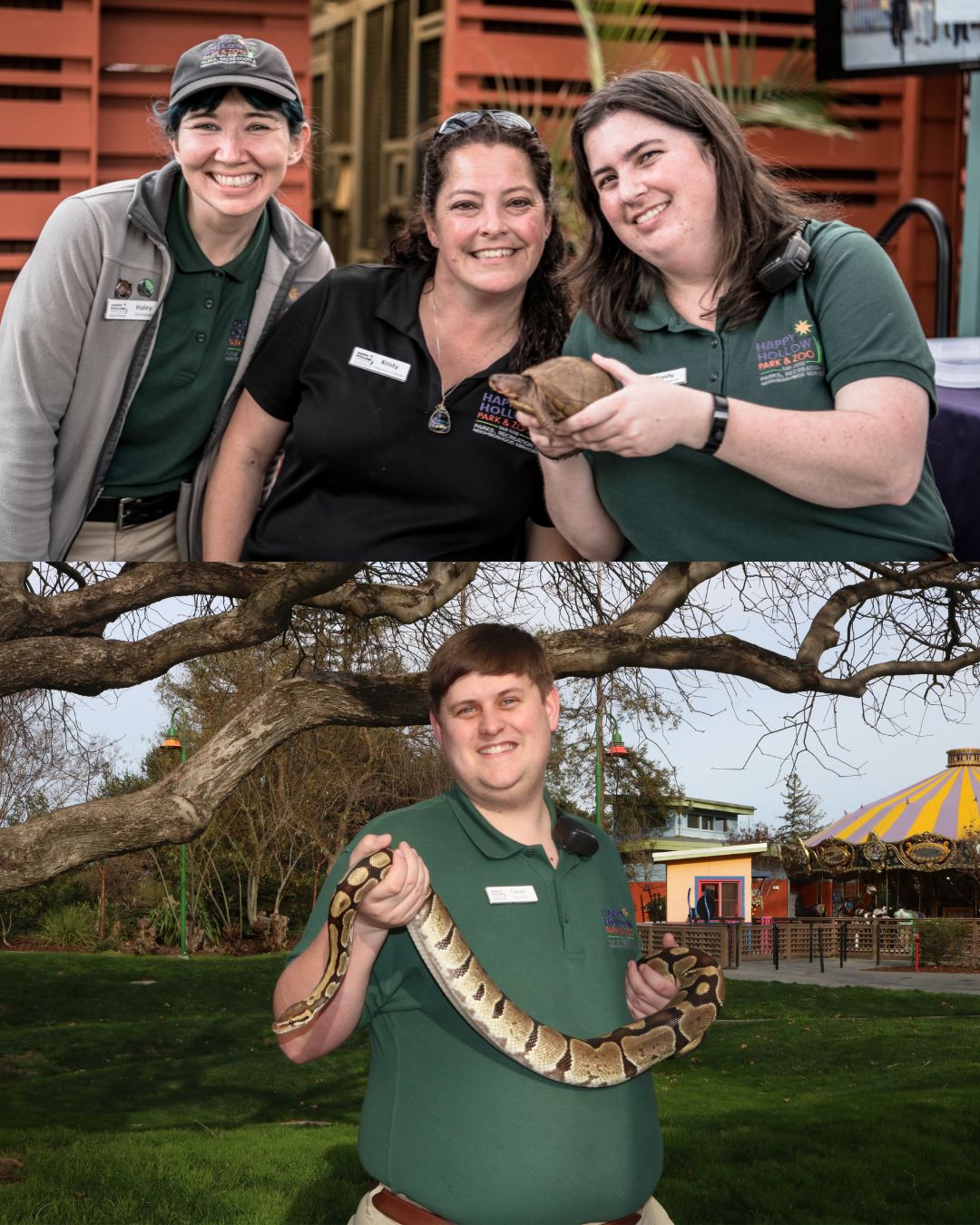
Engaging educational methods employed by the Happy Hollow Zoo Educators are a cornerstone of their success. Utilizing interactive and hands-on experiences, they captivate audiences and stimulate curiosity. Programs often include live demonstrations, storytelling, and interactive exhibits that involve all senses, making the learning process an immersive experience. For example, children might engage in activities that simulate animal behavior or conservation tasks, making learning both fun and memorable. This dynamic approach ensures that the message of conservation resonates with diverse audiences, encouraging active participation.
On-site and outreach programs have significantly bolstered community engagement. By extending their reach into local schools and community centers, Happy Hollow Zoo ensures that education is not confined within its gates. Mobile educational units and partnerships with schools facilitate workshops and classes that bring wildlife education directly to students. These outreach programs demystify science and instill a sense of environmental stewardship among young learners. They also foster a community spirit, creating a network of knowledge-sharing that extends well beyond the initial educational encounter.
The connection between zoo education and global conservation efforts is profound. Zoos, like Happy Hollow, are part of a larger, interconnected network of conservation activities worldwide. Educators convey not just the beauty of biodiversity but also the pressing issues affecting wildlife, such as habitat loss and climate change. By educating the public about these global challenges, they contribute to a larger movement aimed at conservation and species preservation. Zoo educators often collaborate with international conservation organizations to bring real-world issues into the classroom setting, thus bridging local education with global conservation initiatives.
The future of educational initiatives in zoological settings looks promising as technology and innovation offer new pathways for engagement. Virtual reality experiences, digital resources, and online learning platforms are increasingly being integrated into zoo education programs. Happy Hollow is exploring these technologies to enhance learning experiences and reach broader audiences. As digital adoption grows, remote access to educational content allows students from around the world to engage with materials previously limited to in-person visits. This technological integration ensures that the impact of zoo education is far-reaching and adaptable.
In summary, the education department at Happy Hollow Zoo is more than an extension of the zoo’s primary function; it is an essential component in the ever-important conservation conversation. Through innovative methods and comprehensive programs, Zoo Educators play a critical role in fostering a deeper understanding and appreciation of wildlife and the environment. This commitment to education not only benefits individual learners but also contributes significantly to broader conservation efforts worldwide. As we look to the future, the continued evolution of educational initiatives in zoos promises to inspire and equip the next generation of conservationists.
*****
Source Description
Happy The Happy Hollow team is so grateful for the Zoo Education department! Whether on-site or visiting schools, the Zoo Educators teach students about animals and conservation in ways that engage people of all ages. Thank you for all that you do!
