
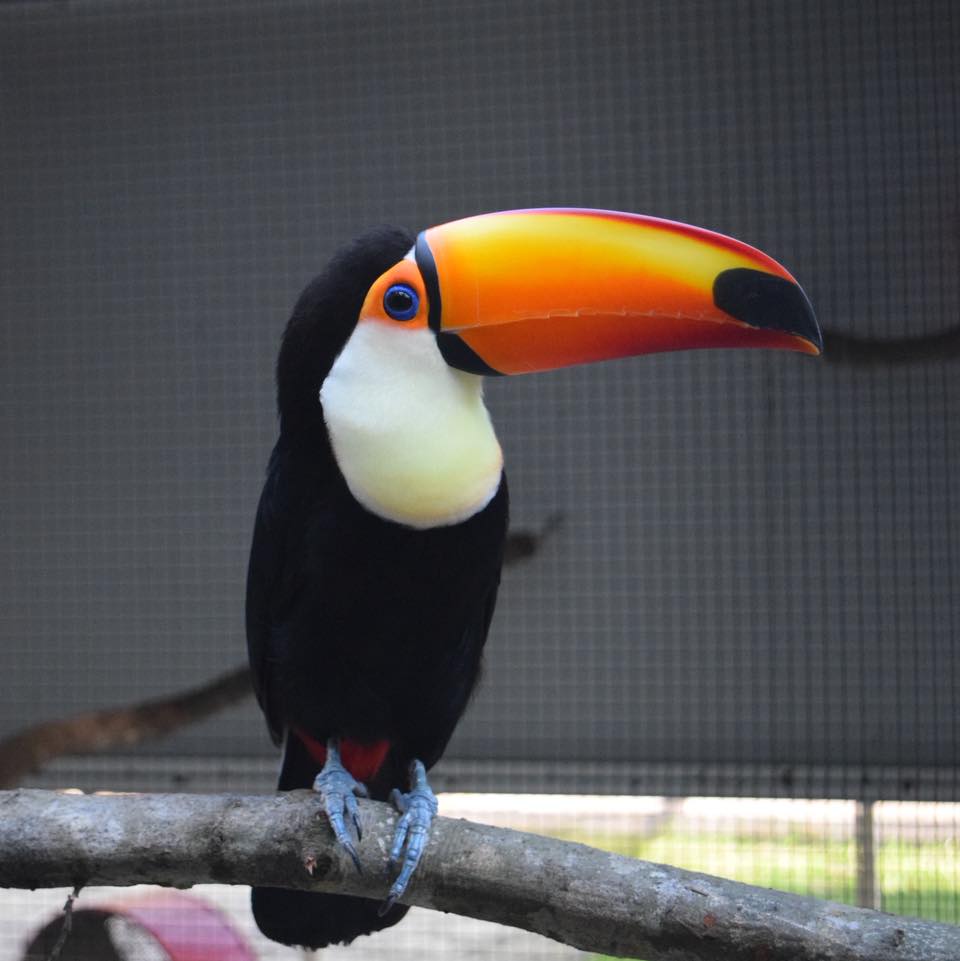
- Toco toucans are vital components of Brazil’s forest ecosystems.
- Bauxite mining poses significant threats to these habitats and the birds themselves.
- The importance of aluminum recycling in conservation efforts.
- Strategies for promoting wildlife conservation amidst industrial activities.
- The role of community awareness in protecting toucans and their habitats.
Toco toucans, the strikingly colorful birds native to the forests of Brazil, play a critical role in their ecosystems. Their large, distinctive bills and vibrant plumage make them one of the most recognized bird species in the Neotropics. They primarily inhabit tropical and subtropical forests but have adapted to a range of habitats from humid lowlands to dry woodlands. Toco toucans contribute significantly to seed dispersal, aiding in plant diversity and the regeneration of their forest environment. Understanding their ecological position helps underscore the consequences that arise from habitat degradation.
Bauxite mining is prevalent in Brazil, specifically in the Amazonian region, where vast tracts of forest are cleared to extract this important mineral. Bauxite is the primary ore used in aluminum production. The mining process leads to substantial deforestation, habitat fragmentation, and soil erosion, disrupting the delicate balance of the forest ecosystem. This loss of habitat directly threatens the survival of various species, including the Toco toucan. With their reliance on forested areas for feeding and nesting, any disruption in these habitats could lead to population declines.
Toco toucans are known to primarily feed on fruits, berries, and occasionally insects and small vertebrates. Their long, curved bills enable them to reach fruit that is inaccessible to many other animals. However, with the degradation of their habitats from mining, food sources can sharply decline. Not only do toucans face a reduced diet, but competition for remaining resources also intensifies.
The concept of recycling aluminum holds significant importance in reducing the environmental impact associated with bauxite mining. Aluminum is unique in that it is 100% recyclable without losing its properties. By recycling used aluminum, less demand is placed on raw bauxite extraction, thus minimizing the deforestation processes associated with mining activities. For every aluminum can recycled, considerable energy savings can be realized, contributing to a lower carbon footprint. This energy efficiency equates to reducing greenhouse gas emissions, benefiting both the environment and wildlife like the Toco toucan.
Public awareness campaigns emphasize how recycling efforts directly correlate with wildlife conservation. Campaigns such as “If you recycle one can, you can save toucans!” aim to connect individual action with larger ecological outcomes. Educational initiatives that highlight the advantages of recycling promote responsible consumer behavior. Schools, communities, and non-profit organizations work together to spread the message that small, consistent actions contribute to substantial changes.
Strategies for promoting wildlife conservation amidst thriving industrial activities involve creating partnerships between businesses, conservation organizations, and local communities. Engaging with mining companies can lead to the establishment of best practices that mitigate environmental impacts. This could include planning mining operations that minimize deforestation, implementing reforestation initiatives post-mining, and developing wildlife corridors to facilitate animal movement between fragmented habitats.
Engaging local communities in conservation efforts is vital. Many communities depend on the natural resources found within their forests for their livelihoods. By integrating conservation practices into their daily routines, communities can develop sustainable economic opportunities that do not compromise their environment. For instance, ecotourism offers financial benefits while fostering appreciation for local wildlife, including the colorful Toco toucans.
Education plays a pivotal role in raising awareness about the interconnectedness of human activity and nature. Workshops, campaigns, and informational resources help to educate the public on the importance of recycling and conservation. Schools can integrate environmental education into their curriculums, teaching children about the significance of both local wildlife and broader ecological concepts.
Innovative conservation techniques, such as mobile application technologies, can also bridge the information gap. These apps can provide resources for individuals to track their recycling efforts, learn about local wildlife, and participate in citizen science projects such as bird watching or habitat restoration. The use of technology in conservation methods can engage younger generations and inspire them to take an active role in preserving the environment.
Partnerships with local universities and research institutions can advance scientific knowledge about Toco toucans and the effects of habitat loss on their populations. Research can help identify significant behavioral changes within toucan populations due to environmental pressures. This data is crucial for developing targeted conservation programs.
Continued research into the ecological roles of Toco toucans and the impact of mining activities on their habitats should be a priority for wildlife conservationists. Understanding their breeding habits, migratory patterns, and dietary needs can inform conservation actions and policies that better protect these stunning birds.
In summary, the plight of the Toco toucan highlights the complex interplay between industrial activities and wildlife conservation. Bauxite mining poses a serious threat to these birds and their natural habitats in Brazil’s forests. Yet, the solution lies with society’s efforts to promote aluminum recycling and engage in sustainable practices. By reducing the demand for mining through responsible recycle habits, individuals can contribute to preserving the ecosystems that Toco toucans, along with countless other species, depend on.
As communities unite to advocate for responsible consumption and conservation, the future of the Toco toucan can remain bright. Community efforts, combined with the power of education, research, and technology, can foster a greater understanding of the ecological significance of these vibrant birds and the forests they inhabit. Raising awareness of recycling as a simple yet powerful act can inspire action towards preserving the remarkable wildlife in Brazil’s forests and beyond.
*****
Source Description
Toco toucans are found in the forests of Brazil. That’s also where a huge amount of mining happens for bauxite, which is what is used to make aluminum. Thankfully aluminum is 100% recyclable! By us recycling we are helping minimize bauxite mining, which is a huge cause for deforestation. “If you recycle one can, you can save toucans!” is what we like to say here at NEI!♻️
