
- Understanding the ecological role of frogs and their contributions to biodiversity
- Exploring the primary threats facing frog populations worldwide
- Highlighting notable frog species and their adaptations
- Discussing conservation efforts and what individuals can do to help
- Educating communities on the importance of frogs and their habitats
Frogs play a vital role in maintaining ecological balance and biodiversity. These amphibians are not just simple creatures hopping around; they are crucial players in various ecosystems. As both predators and prey, frogs help regulate insect populations and serve as food for larger animals. Numerous studies indicate that insectivorous frogs can consume significant amounts of pests, including mosquitoes, contributing to the overall health of their environments. However, their presence is currently at risk due to a multitude of threats.
Globally, nearly one-third of frog species are facing extinction. Habitat destruction, pollution, climate change, and the emergence of deadly diseases like chytridiomycosis have all taken a toll. Understanding the underlying issues threatening frog survival is essential. For example, deforestation and urbanization fragment habitats, isolating populations and limiting their breeding options. Polluted water sources lead to toxic environments, adversely affecting frog development and survival. The impact of climate change alters wetland dynamics, impacting breeding cycles and available habitat.
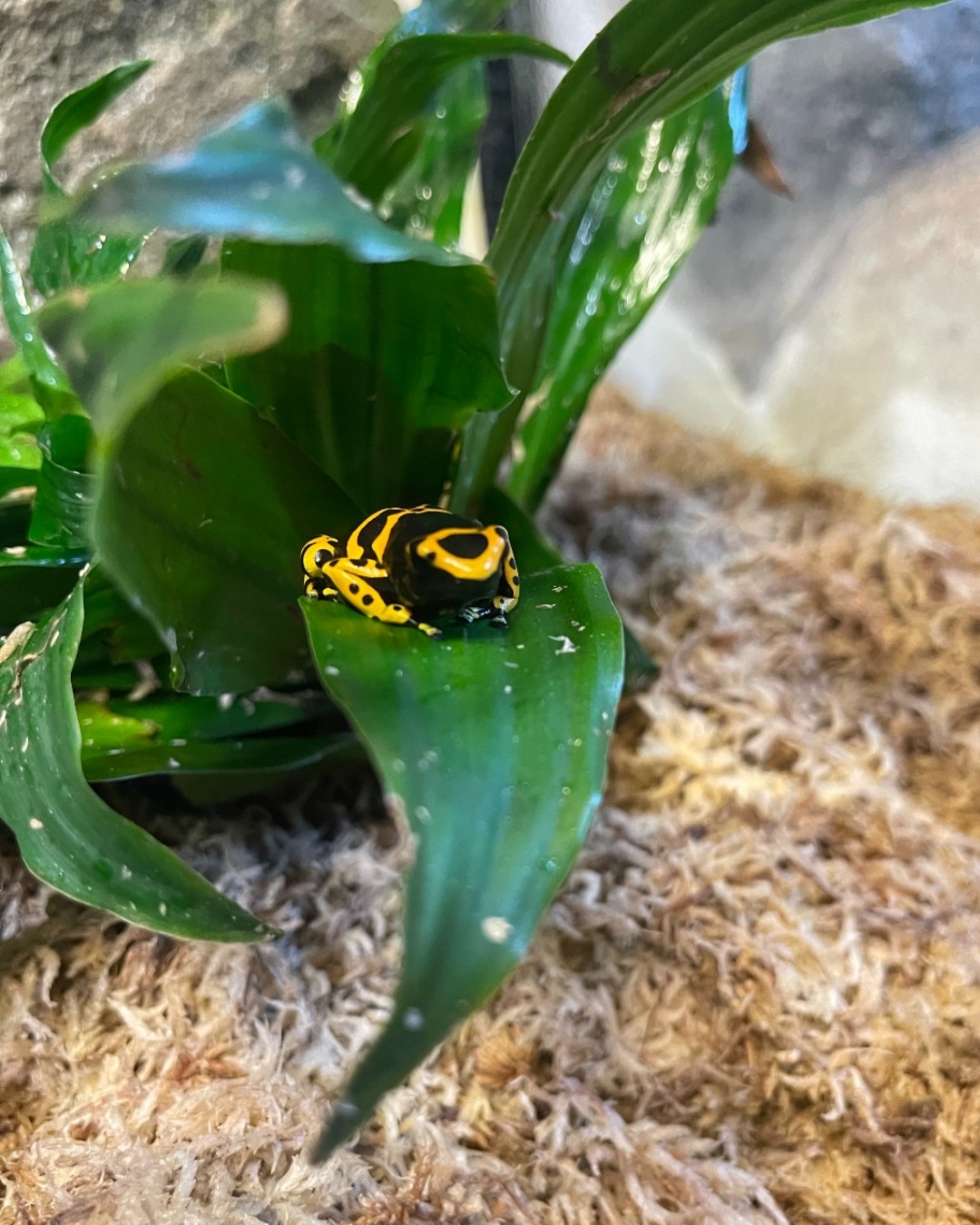
Certain frog species are remarkable examples of adaptation. The red-eyed tree frog, for example, is renowned for its striking coloration that serves as a deterrent against predators. Its ability to blend into its green surroundings during the day and become vibrant and noticeable at night plays a vital role in its survival. Another interesting species is the poison dart frog, whose skin secretes toxins that make it unpalatable to predators. This unique evolutionary trait not only protects the frog but also highlights the importance of chemical defenses in amphibian survival.
Conservation efforts are increasingly vital in reversing the decline of frog populations. Organizations and individuals are working together to protect critical habitats, restore wetlands, and raise awareness about the importance of amphibians. Initiatives like breeding programs in captivity aim to revive populations of critically endangered species. Community involvement is essential; educational programs can enlighten residents about the local frog species and the importance of their conservation. Simple actions, such as creating wildlife-friendly gardens, can further protect frog habitats.
Educating communities is a powerful tool in amphibian conservation. Encouraging people to observe local frog species promotes a greater appreciation for these creatures. Workshops can teach residents how to identify various frogs, their calls, and their habitats. Moreover, advocating for clean water initiatives and sustainable practices helps reduce pollutants that threaten frog populations. The more people understand the ecological benefits of frogs, the more support they will lend to conservation efforts, ensuring these important species can thrive for generations.
The ecological role of frogs extends beyond their immediate environment. These amphibians participate in nutrient cycling, enhancing soil quality and promoting plant growth. Their life cycles, which typically include both aquatic and terrestrial stages, make them important indicators of ecosystem health. Consequently, a decline in frog populations can signify broader ecological issues that may affect other species, including humans. Monitoring frog populations can help researchers assess ecosystem viability and take action when necessary.
Frogs are also critical indicators of pollution and environmental changes. Their permeable skin allows them to absorb environmental toxins, making them susceptible to pollutants. A frog’s health can often reflect the quality of its habitat; thus, significant declines in their populations may highlight underlying environmental issues. This unique connection underscores the importance of maintaining clean waterways and habitats.
As awareness grows regarding the decline of frog populations, numerous organizations have mobilized to address this crisis. The Amphibian Survival Alliance and the International Union for Conservation of Nature (IUCN) work tirelessly to engage in global conservation efforts. They conduct research, establish protected areas, and provide funds for local conservation projects. These initiatives work on various fronts, including habitat preservation, scientific research, and community engagement.
Local initiatives also contribute significantly to frog conservation. Schools and community groups can organize “frog watch” programs, where individuals monitor frog populations within their local areas. This citizen science effort not only gathers valuable data but fosters a deeper connection between the community and its natural surroundings. Encouraging children to participate in such initiatives helps instill a sense of stewardship for the environment.
Education plays a dual role in conservation—both as a means of spreading awareness and as a tool to empower individuals. Workshops on sustainable gardening practices can promote frog-friendly habitats. By using native plants and minimizing pesticide use, residents can create environments supportive of local frog populations. Simple changes, such as adding a small pond or ensuring areas for moisture, can provide critical resources for frogs that require specific conditions to thrive.
Community leaders can spearhead local conservation initiatives, making a focused effort to protect frogs and their habitats. By collaborating with environmental organizations, they can access resources and expertise necessary for effective conservation. Public events that celebrate local biodiversity can also amplify community support for conservation efforts.
The future of frogs hinges on collective action. Engaging in conservation isn’t something limited to special interest groups; it requires participation from everyone. Simple changes in daily practices can contribute to the positive effects on frog populations. For instance, advocating for less use of harmful chemicals in gardens and lawns can significantly benefit local ecosystems.
Understanding the ecological importance of frogs and their current threats is crucial for fostering a supportive environment for their survival. Active participation in conservation efforts enhances not only local habitats but also global ecosystems. The journey toward safeguarding these remarkable creatures requires a concerted effort—one that includes every individual. The more community members learn, the more they can contribute to the future sustainability of frogs and their ecosystems.
Frogs are not just a fascinating subject within the scope of zoology; they serve as a vital link in the ecological web. Their decline signifies disturbances in the environment that can have far-reaching consequences. By addressing the threats they face and advocating for their conservation, we can ensure that frogs continue to thrive in ecosystems around the globe. This responsibility is not just about saving an individual species; it’s about maintaining ecological balance and preserving biodiversity for future generations.
*****
Source Description
Hoppy 🐸 🌎
Today is a perfect opportunity to bring awareness to different kinds of frogs and their impact on our ecosystem. Frogs are an essential part of the ecosystem because they eat large quantities of insects, such as mosquitoes, and are an integral part of the food chain. Unfortunately, frog populations are declining, and 1/3 of the world’s frog species are near extinction. You can help by learning what dangers your neighborhood frogs face and educating your community about what you can do to help. 💚
📸 Wildlife Care Coordinator, Andrea H.
