
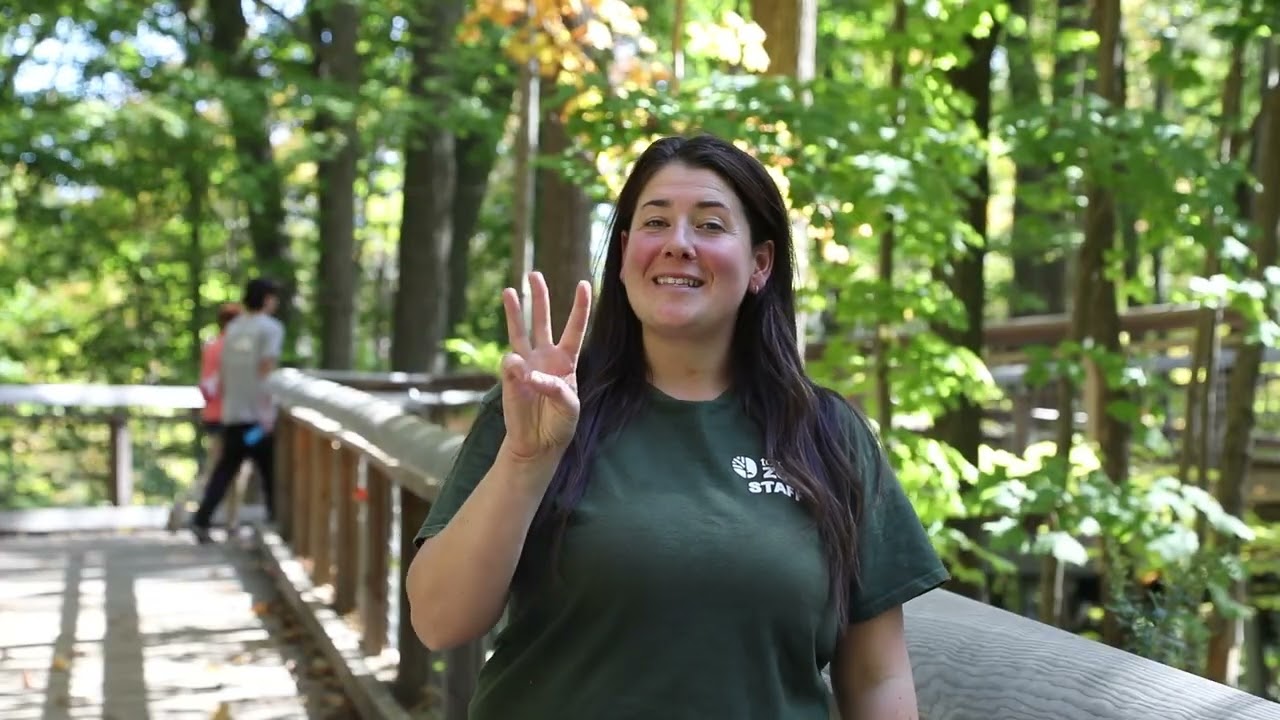
- Experience the Beautiful Autumnal Landscape and Ideal Weather for Exploring the Zoo
- Witness Unique Animal Behaviors and Interactions During the Fall Season
- Participate in Seasonal Events and Educational Programs at the Zoo
As the leaves transform into a vibrant tapestry of reds, oranges, and yellows, the Toronto Zoo becomes a captivating place to visit. Fall is an ideal time to appreciate the zoo’s diverse habitats and engage with its educational programs. This article explores the top three reasons to visit your Toronto Zoo in the fall, emphasizing experiences that combine education, wildlife conservation, and enjoyment.
Experience the Beautiful Autumnal Landscape and Ideal Weather for Exploring the Zoo
In fall, the natural world around the Toronto Zoo offers a stunning display of colors. This vibrant setting enhances the visitor experience, creating an inviting atmosphere for exploration. Autumn’s cooler temperatures make it more comfortable to traverse the expansive zoo grounds, allowing visitors to spend extended periods outdoors without the discomfort of summer heat or the chill of winter.
The physical layout of the zoo is designed to replicate various ecosystems, and the fall season accentuates these designs. Walking through the zoo, visitors can appreciate deciduous trees shedding their leaves in environments like the Canadian Domain and parts of Eurasia, reminding us of the natural seasonal cycles. These areas provide a perfect backdrop for both casual visitors and those interested in photography.
The zoo’s landscape is not just visually appealing; it plays a crucial part in maintaining the health of the resident animals. Fallen leaves and seasonal plants become integral parts of the animal enclosures, enabling species to express natural behaviors such as foraging and nesting. For instance, primates may use fallen leaves for bedding, while herbivores find additional foraging opportunities.
Witness Unique Animal Behaviors and Interactions During the Fall Season
Fall is a dynamic time for animal behavior at the zoo. Many species become more active in cooler temperatures, leading to increased visibility for visitors. Animals engage in behaviors influenced by the changing season, providing a unique opportunity to observe and learn.
For some species, fall is a preparatory time for winter. Bears at the zoo, for example, increase their food intake as they prepare for hibernation. Observing these natural behaviors provides a window into their life cycles and highlights the importance of seasonal ecology.
Bird migrations can also be witnessed during this period. The Toronto Zoo’s aviaries house several species that mirror migration patterns seen in the wild. This is particularly interesting for ornithologists and bird enthusiasts. Watching these birds in transit encourages discussions on broader themes of conservation and habitat protection.
Reproductive behaviors change as well. Many animals have mating seasons that peak in fall, aligning with the later abundance of resources in spring when offspring are born. This allows zoo visitors to observe courtship rituals and mating displays, emphasizing the zoo’s role in species breeding programs and genetic diversity preservation.
Participate in Seasonal Events and Educational Programs at the Zoo
The Toronto Zoo capitalizes on the seasonal shift by hosting a variety of themed events and educational programs. These initiatives are designed to engage the public in conservation efforts while providing entertainment and learning opportunities.
One of the standout events is Boo at the Zoo, a Halloween-themed program that combines fun activities with educational insights. These events offer interactive experiences like animal encounters and scavenger hunts, which highlight conservation messages crucial to wildlife preservation.
Educational programs in the fall often focus on the adaptations of animals to seasonal changes. Guided tours and talks by zookeepers and scientists are prevalent, providing in-depth information about animal behavior and environmental challenges. These interactions are pivotal in raising awareness about habitat destruction and species endangerment.
Incorporating educational technologies, such as augmented reality and virtual guides, helps broaden the outreach to a younger, tech-savvy audience. This integration of technology serves to engage different demographics while disseminating vital information about wildlife conservation efforts.
Visiting the Toronto Zoo in fall is not just about leisurely enjoyment; it’s an opportunity to learn and contribute to conservation initiatives. Engaging with the zoo’s programs fosters a deeper understanding of the intricate balance required to maintain biodiversity.
By visiting the Toronto Zoo in the fall, guests immerse themselves in a rich learning environment amidst a breathtaking seasonal landscape. This visit can also act as a catalyst for advocacy and support for global conservation efforts. The compelling blend of natural beauty, dynamic animal behavior, and educational engagement makes the fall season at the zoo a remarkable experience for all.
*****
Source Description
Take it or leaf it – the cooler weather is here and your Toronto Zoo has so much to offer through the fall season! Open 365 days a year, there are benefits to every season here at the Zoo, and we’ve created a list of the top 3 reasons why fall is a great time to visit, especially this Thanksgiving long weekend!
