
- Explore the integration of conservation education and visitor experience at the top zoo.
- Delve into the diverse wildlife exhibits and how they promote biodiversity awareness.
- Discuss the importance of unique culinary offerings in enhancing the visit.
- Examine the role of zoos in wildlife conservation and breeding programs.
- Highlight the educational opportunities provided by interactive exhibits and knowledgeable staff.
Visiting a top-tier zoo is an opportunity not only to observe remarkable wildlife but also to engage deeply with conservation efforts and enjoy exquisite culinary experiences. Zoos today are strategically designed to offer an enriching blend of education, conservation, and enjoyment for visitors of all ages. Here we unpack the dynamic aspects of “Wild Sights and Wild Bites,” showcasing why this approach enriches every zoo visit.
Integration of Conservation Education and Visitor Experience
Zoos have evolved significantly from their early days. No longer just entertainment venues, they now serve as vital educational resources that emphasize conservation. By integrating engaging educational content into exhibits, zoos provide visitors with insights into animal behavior, habitat preservation, and the importance of biodiversity.
Interactive displays, informative signage, and guided tours facilitate a deeper understanding of the animals and the challenges they face in the wild. These educational tools are crucial in fostering a sense of responsibility toward wildlife and habitats, urging visitors to participate in conservation efforts.
Diverse Wildlife Exhibits Promoting Biodiversity Awareness
In the nation’s top zoo, visitors encounter an array of wildlife exhibits designed to mimic the natural environments of the animals. Each exhibit serves as a microcosm of a specific ecosystem, from the dense rainforests to the sweeping savannas. This approach not only enhances the well-being of the animals but also provides a realistic viewing experience for visitors.
For instance, in the Asian Highlands, guests may marvel at species such as the snow leopard and the red panda. This exhibit highlights the unique adaptations of these animals to their cold environments, while educational programs emphasize the threats they face due to habitat loss and climate change. Through these exhibits, the zoo effectively communicates the urgent need to preserve ecosystems and protect endangered species.
Importance of Culinary Offerings
Dining experiences at zoos are increasingly becoming an integral part of the visit. The concept of “Wild Bites” invites visitors to enjoy diverse food options that complement their exploration of wildlife. These culinary offerings add a sensory dimension to the visit, ensuring it is memorable and satisfying.
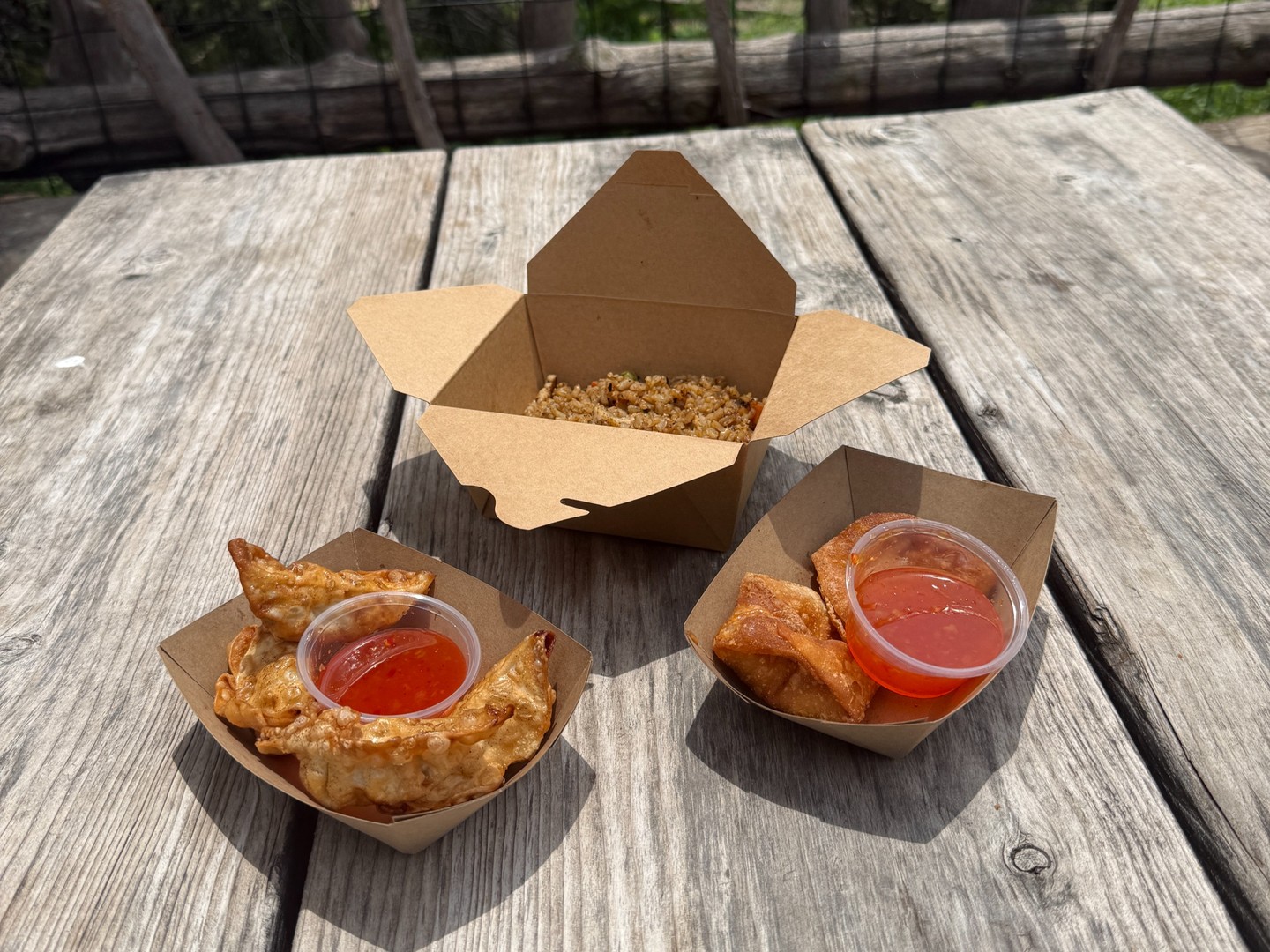
In the Asian Highlands, visitors can savor crab rangoons and fried rice, dishes that reflect the cultural heritage of the regions represented in the exhibits. Likewise, Glacier Bay Landing offers crab bites and garlic parmesan fries, invoking the flavors of the coastal habitats with which they are associated. This blend of dining and discovery greatly enhances the overall experience, making it an enjoyable family outing.
Role of Zoos in Wildlife Conservation and Breeding Programs
Zoos play a pivotal role in global conservation efforts, often collaborating with international organizations to protect endangered species. Breeding programs are instrumental in these efforts, aiming to reintroduce captive-bred animals into their natural habitats. These programs also help maintain genetic diversity, critical for the long-term survival of species.
Participating in Species Survival Plans (SSPs), zoos focus on breeding and care strategies for at-risk animals. Visitors can learn about these programs through behind-the-scenes tours and interactive exhibits, offering a transparent view of the conservation impact. This real-world application of zoology principles underscores the zoo’s commitment to wildlife preservation.
Educational Opportunities with Interactive Exhibits and Knowledgeable Staff
Education remains a cornerstone of the zoo experience. Trained staff and experts provide invaluable insights into animal care, behavior, and conservation. Interactive exhibits allow guests to engage with digital content, quizzes, and augmented reality experiences, tailoring educational content to different ages and interests.
Creative programming, such as animal encounters and zookeeper talks, encourage visitors to ask questions and discuss topics ranging from animal adaptation to conservation strategies. These interactions empower guests with knowledge, fostering a lasting interest in environmental stewardship.
In summary, the concept of “Wild Sights and Wild Bites” at the nation’s top zoo integrates conservation education with distinctive visitor experiences. The diverse wildlife exhibits highlight the importance of biodiversity and the urgent need for conservation. Meanwhile, unique culinary offerings elevate the visitor experience, making it immersive and enjoyable. The role of zoos extends beyond education and entertainment; they are crucial partners in global wildlife conservation, driving efforts to protect our planet’s extraordinary diversity.
*****
Source Description
Wild sights AND wild bites. When you visit the nation’s top zoo, make sure to grab some of our favorite must-have treats: crab rangoons and fried rice in the Asian Highlands, crab bites and garlic parmesan fries in Glacier Bay Landing and samosas and our famous elephant-sized pretzel in the Scott African Grasslands. Which are you ordering on your next Zoo visit?
