
- The importance of beak trimming for tortoises’ health
- Signs of overgrown beaks and their impact on feeding
- Step-by-step guide on how to perform tortoise beak trimming
- Best practices for maintaining a tortoise’s beak
- Implications for conservation and care in captivity
Tortoises are fascinating reptiles, known for their slow movements and hard shells. However, one critical aspect of their health that often goes overlooked is their beak. Unlike birds, tortoise beaks can overgrow. This overgrowth can lead to serious complications, affecting their ability to eat and drink. It is essential to understand why beak trimming is necessary for tortoises and how it can be performed safely.
Tortoise beaks grow continuously throughout their lives, albeit at a slower rate than other animals. In their natural habitats, the wear on their beaks comes mainly from grazing on vegetation and other surfaces that provide natural abrasion. In captivity, however, many tortoises do not have the same opportunities to wear down their beaks due to a lack of varied textures in their diets or environments. This can lead to issues requiring intervention.
One of the primary reasons for beak trimming is the health risks associated with overgrowth. An overgrown beak can interfere with a tortoise’s feeding habits. If the beak is too long, it may prevent the tortoise from grasping food or chewing effectively. This can lead to malnutrition and associated health problems. Additionally, excessive growth can cause injury to the tortoise’s mouth or jaw, leading to infections or other complications.
Recognizing an overgrown beak is crucial for timely intervention. Signs include an unusually long beak that appears curved or pointed, difficulty in eating, or noticeable wear on the food items offered. If owners observe any of these symptoms, they should consider consulting with a veterinarian experienced in reptile care for evaluation and potential trimming.
Performing a tortoise beak trim should ideally be done by a qualified veterinarian familiar with reptiles. However, for those considering this procedure in a controlled environment, here’s a step-by-step guide to ensure safety and effectiveness.
- Preparation: Gather all necessary tools. These may include a pair of nail clippers, a Dremel tool, and some soft cloths for cleanup. It’s essential to have everything ready beforehand. Always wear gloves for protection against scratches or bites.
- Restraint: Gently but firmly hold the tortoise. It is vital to maintain control to avoid injury to both the tortoise and the handler. One person may hold the tortoise while another person performs the trimming.
- Assessment: Examine the beak closely. Determine the amount of trimming required. If the beak appears excessively long or curled, excessive trimming may be necessary.
- Trimming: Start by using nail clippers to remove small portions of the overgrown beak. If using a Dremel tool, do so at a slow speed to avoid heat buildup that could damage the beak’s sensitive keratin layer.
- Smoothing: After cutting, use a fine-grit Dremel tool to smooth any rough edges. This step is important to prevent snagging or injury.
- Cleanup: After the trimming is complete, clean the area well. Dispose of the clipped material to prevent infection or other complications.
- Post-Care: Monitor the tortoise closely for any signs of distress or complications following the trimming. Offer soft foods for a couple of days to facilitate easier eating and let the tortoise rest.
Maintaining a tortoise’s beak doesn’t stop at trimming. Regular checks should be incorporated into their care regime. Tortoises should have access to varied textures in their diet, including fibrous plants and safe, rough surfaces, which promote natural wear and reduce the need for frequent trimming.
Additionally, providing proper UV lighting is essential for overall health. UV exposure is crucial for calcium synthesis, which supports the growth and health of a tortoise’s bones and beak. A well-balanced diet, rich in vitamins and minerals, contributes to the overall well-being of tortoises, influencing the condition of their beaks and shells.
Tortoise beak trimming also has implications for wildlife conservation. For those involved in captive breeding or rehabilitation programs, understanding and addressing beak health is vital. Tortoises often face threats from habitat loss, climate change, and human activity. Ensuring they thrive in captivity contributes to broader efforts to protect species in the wild.
In breeding programs, attention to beak health can improve the longevity and reproductive success of captive tortoises. Healthy individuals can support the genetic diversity needed for sustainable populations, reducing the risks associated with inbreeding.
The procedure of tortoise beak trimming exemplifies the importance of comprehensive animal care. Ongoing education and training for reptile handlers can help promote best practices that align with humane treatment and conservation efforts. Veterinary advice can be instrumental in this process, as can resources available from reputable animal welfare organizations.
While tortoises may seem low-maintenance due to their resilience, they require specific care to thrive in captivity. Regular health checks, including beak evaluations, play a key role in their routine care. Engaging with ecologists and specialists in tortoise care can help keep owners updated on the best practices.
Ultimately, tortoise owners hold a responsibility not only for their individual pets but also for the well-being of entire species. By prioritizing health measures like beak trimming, they play a significant role in ensuring these ancient reptiles have a secure future, both in captivity and in their natural environments. Awareness and education are the first steps toward more effective care practices that align with conservation goals.
In summary, tortoise beak trimming is a crucial aspect of reptile care. Recognizing when trimming is necessary, following safe procedures, and maintaining good practices can significantly improve a tortoise’s quality of life and health. With appropriate care and attention, tortoises can live long, fulfilling lives while contributing to efforts aimed at their conservation.
*****
Source Description
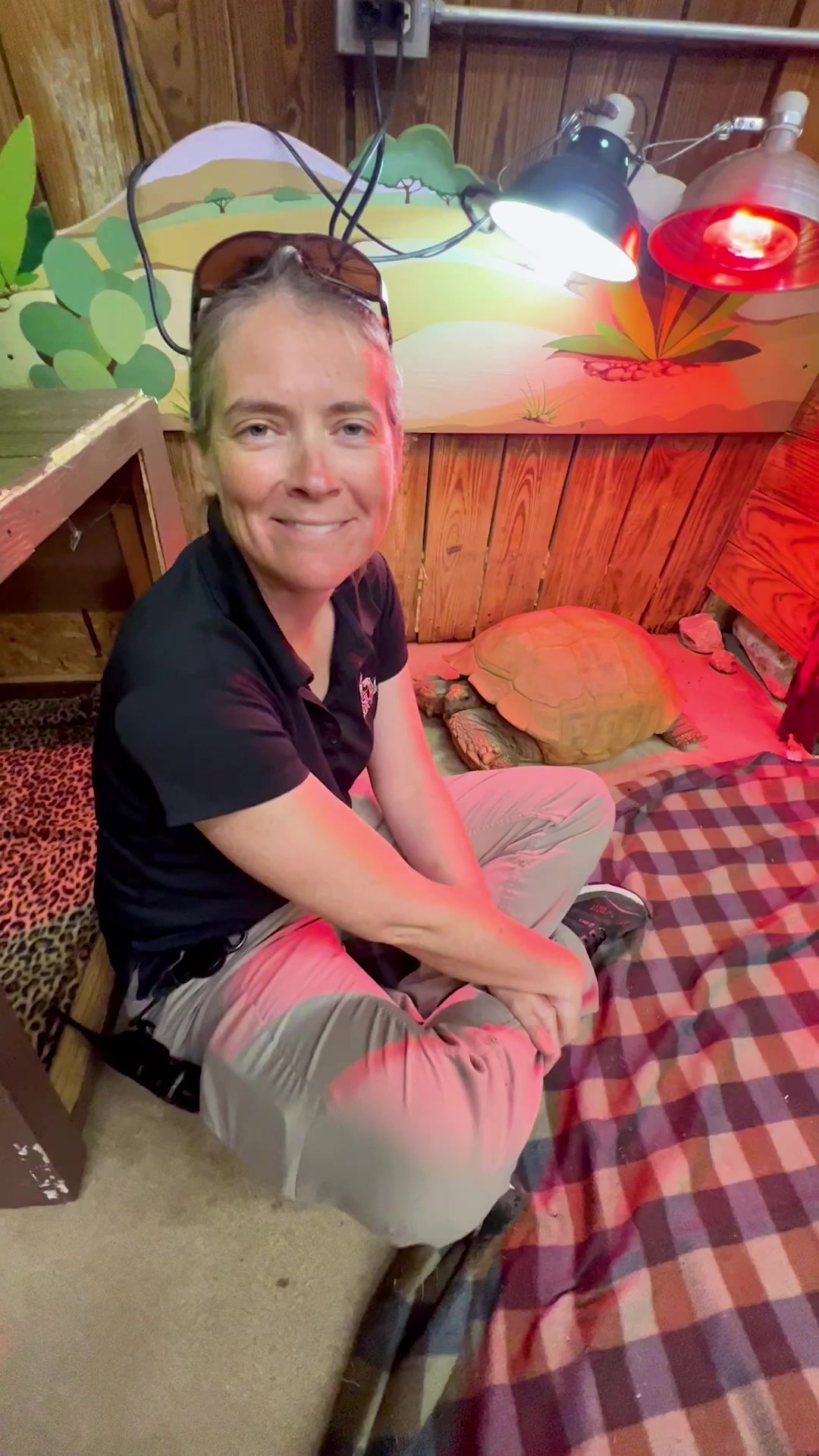
Tortoise beak trim? 🐢 You read that correctly, they can become overgrown and affect their ability to eat. Our associate vet, Julie, and the staff from Animal Discoveries show you how it’s done.
