
- Understanding Ectothermy and Its Importance for Tortoises
- Habitat and Behavior of Tortoises
- The Role of Zoos in Conservation and Education
- The Ecological Significance of Tortoises
- Visitor Experience and Encouragement of Wildlife Conservation
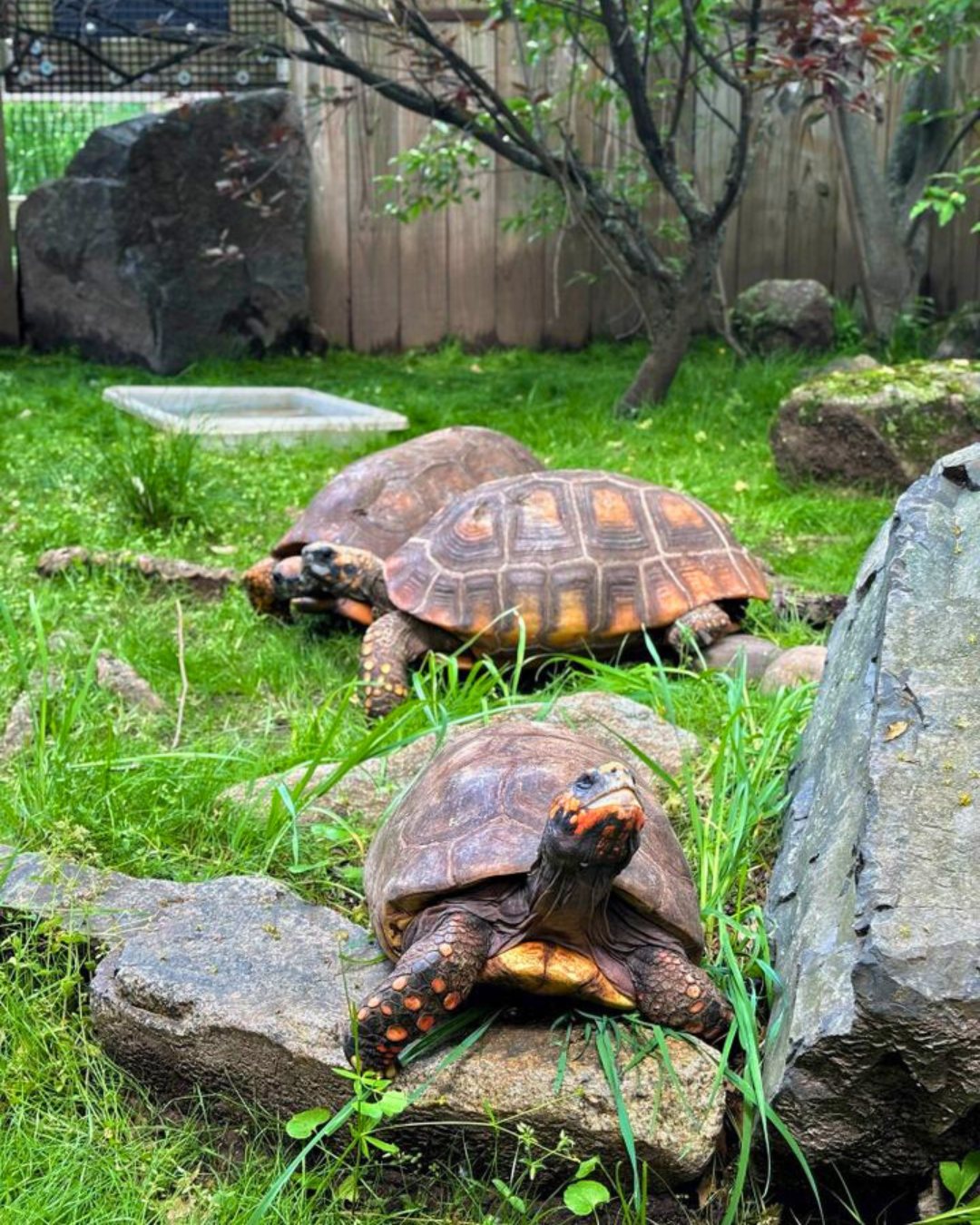
As the temperature rises with the arrival of warmer days, tortoises are once again making their presence known in their exhibits. This is a moment that both visitors and staff at places like the @bergencountyzoo eagerly anticipate. Tortoises, classified as reptiles, share a crucial biological characteristic with other reptiles: they are ectothermic, or cold-blooded. This means that their body temperature is influenced by the surrounding environment, primarily relying on sunlight and warmth. The significance of this thermoregulation mechanism cannot be understated, especially as tortoises bask in the sun, enjoying the benefits of a warm climate.
Ectothermy plays a vital role in the ecology and biology of tortoises. Unlike warm-blooded animals, which generate their own body heat, ectothermic species depend on external warmth to reach their optimum body temperatures for activities such as digestion, movement, and reproduction. In the absence of adequate heat, tortoises may become lethargic, and their metabolic processes slow down considerably. It is during the warmth of sunny days that these creatures feel invigorated—taking advantage of the sun to replenish energy reserves and enable essential biological functions.
The warm weather also brings awareness to the behavior and habitat needs of tortoises. Tortoises generally inhabit a variety of ecosystems, ranging from arid deserts to tropical forests. Each species has adapted uniquely to its specific environment. For example, the Sahara tortoise thrives in dry, hot climates while the Galápagos tortoise is suited for its island habitat with diverse vegetation. These adaptations include variations in shell shape, size, and diet, all essential for their survival.
Observing tortoises in a well-constructed habitat at a zoo provides insight into how these creatures interact with their surroundings. Tortoises often dig burrows, offering themselves shelter from extreme temperatures and predators. This behavior also allows them to maintain moisture levels, which is critical for their health. In captivity, zookeepers replicate these conditions as closely as possible, providing varied terrain, shade, and water sources to facilitate natural behaviors.
Zoos play an instrumental role in wildlife conservation and education. At facilities like the Bergen County Zoo, the focus is on exhibiting animals responsibly and ethically while promoting conservation efforts. Through these exhibits, zoos inform the public about the challenges that tortoises face in the wild, such as habitat destruction, climate change, and poaching. This awareness is crucial, as it can lead to increased public support for conservation initiatives.
Education programs at zoos often highlight the importance of tortoises in their ecosystems. Tortoises contribute significantly to their habitats. By grazing on vegetation, they help maintain the health of plant communities, ensuring a balanced ecosystem. Moreover, their burrowing activities aerate the soil, enhancing nutrient cycling. This ecological role emphasizes the interconnectedness of species within an ecosystem, and how the well-being of one species can impact many others.
Visitors to the zoo have the opportunity to engage directly with these fascinating creatures, thereby fostering a sense of connection to wildlife. Many zoos provide interactive educational sessions, allowing guests to learn about tortoises’ habits, diets, and the critical conservation issues they face. Such experiences can inspire compassion and advocacy for wildlife, motivating individuals to contribute to conservation efforts in their communities or even on a global scale.
One of the primary challenges facing tortoises today is habitat loss. Urbanization and land development are rapidly encroaching on natural habitats, making it difficult for tortoises to find adequate resources. Additionally, climate change poses significant threats, with rising temperatures and shifting weather patterns altering the availability of food and suitable nesting sites. Zoos and conservation organizations are actively working to mitigate these challenges through habitat restoration projects and community outreach programs that educate the public regarding sustainable practices.
Moreover, tortoises are often subjected to the illegal pet and exotic animal trade. Many people are drawn to their unique physical characteristics and slow-moving nature, leading to over-harvesting in the wild. This not only threatens the individual species but also disrupts their genetic diversity and overall population health. Awareness campaigns led by zoos aim to combat this issue by promoting responsible pet ownership and informing the public about the ethical implications of keeping wild animals as pets.
Despite the challenges they face, tortoises can serve as symbols of resilience and conservation success. Many species have been brought back from the brink of extinction through dedicated and well-planned conservation efforts. Notable examples include the Aldabra tortoise and the Galápagos tortoise, both of which have benefited from habitat restoration projects and breeding programs that encourage genetic diversity. The time spent in dedicated care can lead to successful reintroductions into their natural habitats, helping to ensure that they thrive in the wild.
The experience visitors gain from seeing tortoises in a zoo setting goes beyond mere observation. It serves to provide a tangible connection to wildlife, creating ambassadors for the species that inhabit our planet. By understanding the ecological and behavioral intricacies of tortoises, individuals can appreciate their importance in maintaining healthy ecosystems.
As the tortoises emerge from their winter repose, visitors are encouraged to engage with these ancient reptiles, observing their basking behaviors and learning about their habitat needs. The seasonal change brings not just warmth but an opportunity to foster a deeper appreciation for wildlife. Every time individuals stop by at the zoo, they contribute not just to their enjoyment but also to the important work of raising awareness around conservation efforts that ensure these fascinating creatures remain part of our natural landscape.
In this way, educational institutions like the Bergen County Zoo serve as critical linkages between the public and wildlife. They do not merely showcase animals for entertainment. Instead, they promote knowledge-sharing and empower individuals to take action in their communities. By visiting the zoo and learning about tortoises and other wildlife, guests can become part of a broader movement towards environmental stewardship and sustainability, making a direct impact on the conservation of species globally.
Whether it’s through providing habitat education, advocating for sustainable practices, or promoting wildlife protection laws, zoos establish platforms for impactful change. Tortoises, with their long lives and ecological significance, are powerful examples of the work that lies ahead in the pursuit of biodiversity conservation. Understanding their needs fosters a sense of responsibility in protecting not just these gentle giants but the ecosystems they inhabit. As the warm weather beckons visitors to explore and connect with tortoises, it also invites everyone to join in the critical quest for conservation.
*****
Source Description
It’s finally warm enough for the tortoises to be back out on exhibit! ☀️ Did you know that tortoises, like all reptiles, are ectothermic (cold-blooded)? That means they rely on the sun and warm temperatures to regulate their body temperature. Now that it’s warm enough, they’re soaking up the sun and loving the warm weather! Come stop by at the @bergencountyzoo and say hi!
