
- Animal behavior and environmental enrichment through habitat rearrangement
- The scientific principles behind animal enrichment
- Case studies showcasing successful habitat modifications
- Conservation implications of effective habitat design
- Practical strategies for implementing habitat rearrangement in zoos
Animal behavior is influenced profoundly by the environment in which animals live. A concept that has gained traction in recent years is the idea that simple changes in habitat arrangement can lead to significant behavioral enrichment. This form of enrichment is particularly impactful because it caters not just to the physical needs of animals but also engages their mental faculties. Animal curator Shanna beautifully illustrates these principles through innovative habitat design, demonstrating how even minor modifications can lead to impressive outcomes.
Environmental enrichment is a vital component of zoo management and animal welfare. It is often defined as the addition of various stimuli to an animal’s environment, including physical structures or activities that encourage natural behaviors. However, many people overlook the power of rearranging existing elements in a habitat. This strategy offers a dynamic way to stimulate animal behavior without needing extensive resources or new materials.
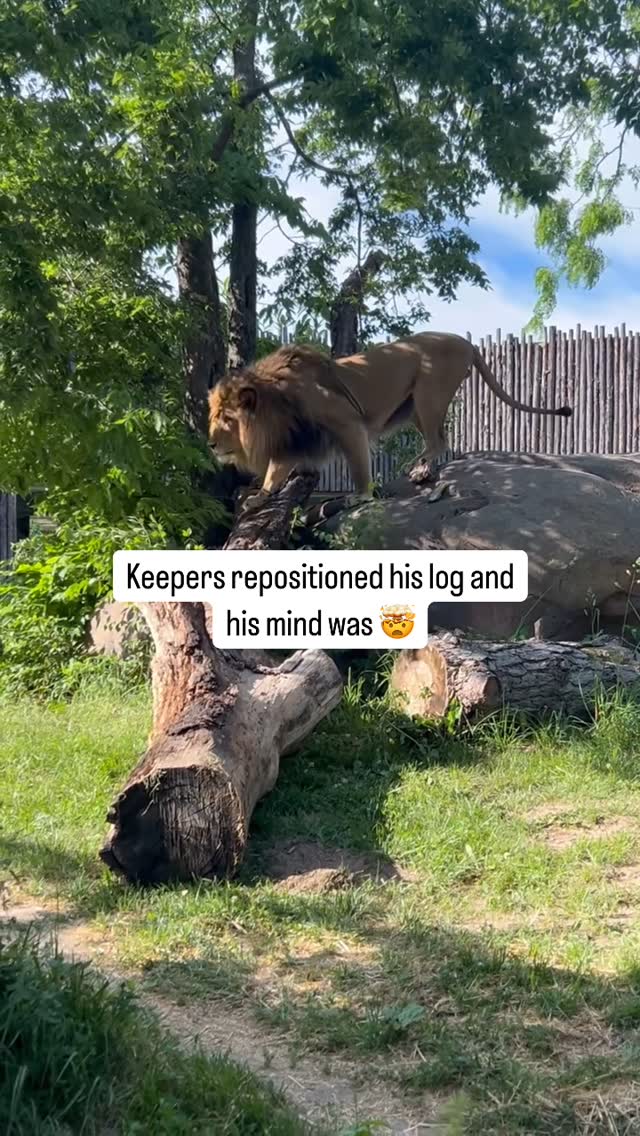
Research indicates that animals learn and adapt by exploring their surroundings. When habitats are routinely altered, animals are encouraged to engage their curiosity. A fascinating example can be seen in how lions interact with their environment. By simply rearranging the placement of rocks, logs, and shrubs, animal caretakers can prompt them to use their senses—such as smell and sight—in new ways. Such changes compel the animals to hunt, explore, and exhibit social behaviors, thereby enriching their quality of life.
The scientific basis behind this phenomenon rests on principles of behavioral psychology and ecology. Animals are driven by instinct to explore their surroundings, and environmental arrangements can either enhance or inhibit those instincts. For instance, in a study conducted on primates, it was demonstrated that changing the location of food dispensers within the habitat resulted in increased foraging behaviors and social interactions. Zoo animals, like their wild counterparts, experience stress when their environments fail to mimic the natural structures they are adapted to. A well-designed habitat that is occasionally rearranged helps reduce this stress by preventing behavioral stereotypies—repetitive actions that can indicate frustration or boredom.
Numerous case studies highlight the success of habitat modification in zoos around the globe. For instance, the San Diego Zoo introduced various enrichment techniques that involved the strategic rearrangement of space for their orangutans. This initiative transformed their outdoor enclosures to create diverse climbing structures, rather than static platforms. The orangutans showed increased interest in exploring their surroundings and displayed more complex social interactions. Similar strategies have been applied successfully in many other facilities to foster positive behavioral changes.
Conservation implications of effective habitat design are far-reaching. Providing animals with suitable environments is paramount in fostering breeding success, especially for endangered species. When animals are more engaged and active, they are less likely to develop welfare-related issues. Furthermore, when animals thrive in captivity, they may be better prepared for potential reintroduction into the wild. Implementing simple but effective rearrangements can significantly affect the overall success of species recovery programs.
From a practical standpoint, implementing habitat rearrangement requires minimal investment while maximally enhancing animal welfare. Zoo staff can work together to schedule routine changes, ensuring that habitats remain stimulating. Techniques may include rotating feeding stations, repositioning climbing structures, or redistributing environmental features. Such modifications can be timed with animal behavioral observations to gauge their effects on specific species.
It’s important to consider animal preferences when making these changes. Effective habitat rearrangement should involve some level of participation from the animals being observed. For instance, providing choices in food placement or introducing novel scents in specific areas can lead to natural explorative behaviors. Involving animals in the decision-making process can help align changes with their unique needs and interests.
Customized adjustments can also cater to the particular characteristics of diverse species. Herbivores, carnivores, and omnivores benefit differently from habitat arrangements. A local zoo could engage visitors by offering educational programs that inform them about how wildlife is affected by their environments. This educational engagement reinforces the zoo’s role as a conservation advocate.
Consider the example of elephants, who are known for their intelligence. They thrive in environments that allow them to forage and dig. Rearranging the placement of vegetation can offer opportunities for them to utilize their natural foraging skills. By planting various edible trees and shrubs in differing locations around the habitat, caregivers can encourage elephants to explore and discover food sources more naturally, which in turn promotes healthy activity levels.
A focus solely on physical stimulation can lead to overlooking other forms of enrichment. Cognitive stimulation, including problem-solving challenges, should also be incorporated into habitat design. For animals like otters and dolphins, introducing puzzles that require them to manipulate objects can augment their mental engagement. Therefore, the interplay of physical and cognitive enrichment needs thoughtful consideration.
The role of technology in habitat rearrangement is also promising. Virtual reality and simulations can create scenarios where animals can interact with their surroundings in new and exciting ways. Such innovations could potentially contribute both to animal welfare and scientific research aimed at better understanding animal behavior in enriched environments.
The overarching goal of habitat rearrangement is to create a more fulfilling life for animals in captivity. Shanna’s approach exemplifies a commitment to integrating these innovative strategies into daily zoo operations. As caretakers of these magnificent creatures, it is imperative we continue to refine our practices and employ effective methods that contribute positively to animals’ lives.
Zoo visitors play a vital role in the perception of wildlife conservation efforts. When people witness animals behaving instinctually, they gain a better understanding of their needs and share an emotional connection with them. This sense of connection can translate into increased support for conservation and other efforts related to wildlife management. By demonstrating the positive effects of habitat rearrangement on animal behavior, zoos can inspire visitors to become advocates for conservation efforts.
While rearranging habitats is a practical and effective method of enhancing animal welfare, challenges remain. Maintaining staff vigilance is essential to evaluate the impact of these environmental adjustments continuously. Observations should be documented, and if necessary, structures should be modified according to animal responses to minimize stress.
Institutional collaboration among zoos, universities, and conservation organizations can bolster enrichment efforts. Research partnerships can provide funding and expertise, leading to groundbreaking innovations in habitat design and enriching techniques. The scientific community is increasingly recognizing the importance of behavioral enrichment as a component of effective wildlife management practices.
In summary, the profound impact of rearranging habitats on animal behavior manifests in various positive outcomes. This often-overlooked element of environmental enrichment is essential for promoting mental stimulation and reducing stress levels among captive animals. Such changes go beyond immediate enrichment; they contribute positively to breeding programs, conservation efforts, and overall animal welfare.
Continued advocacy for these initiatives among zoo professionals, researchers, and the public is critical. Implementing effective habitat rearrangement strategies can result in significant benefits for both the animals and the broader goals of wildlife conservation and education. By placing greater emphasis on environmental design in zoos, a more robust understanding of animal behavior emerges, and the bond between humans and wildlife strengthens.
*****
Source Description
Sometimes mind-blowing enrichment comes in the simple form of ✨re-arranging✨ part of the habitat.🦁🤯
🎥: Animal Curator Shanna
