
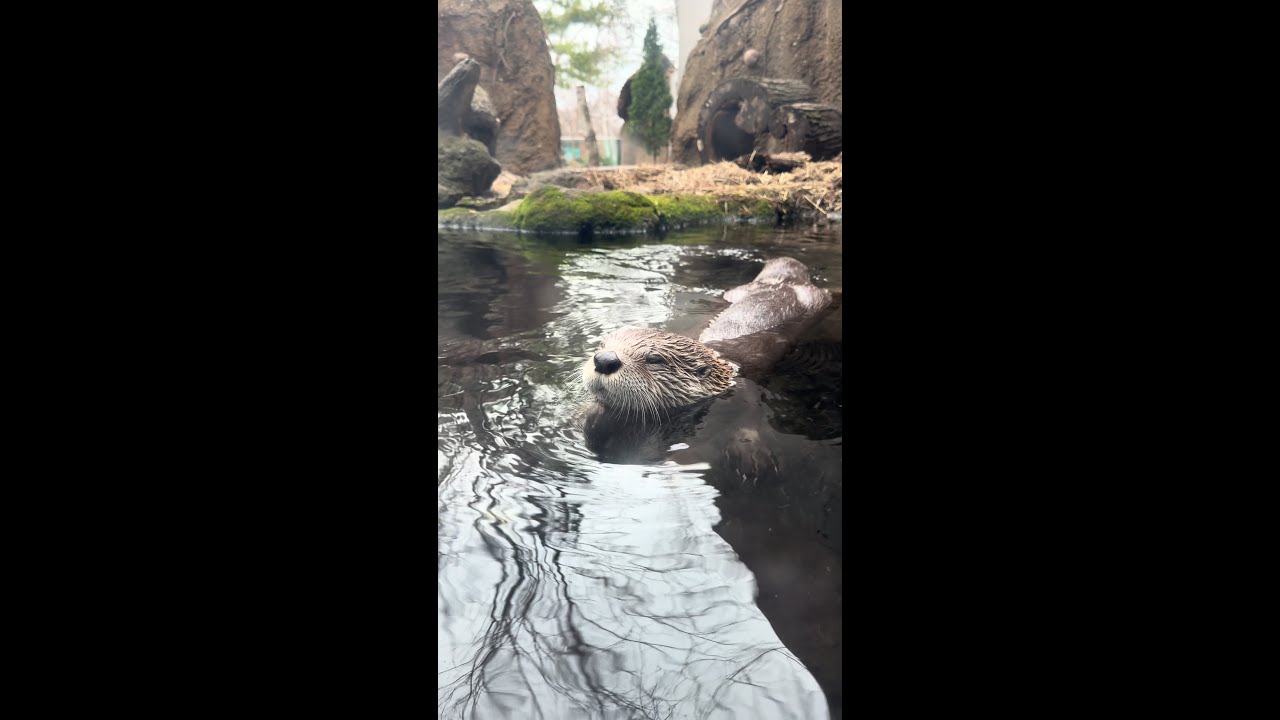
- The significance of enrichment activities in zoos, focusing on Tuck(er) and roll! 🦦 behavior.
- Understanding the role of zoo management in animal welfare and species-specific care.
- The importance of wildlife conservation efforts and public education in preserving biodiversity.
- Insights into the behavioral and ecological aspects of otters in captivity and the wild.
- The connection between human interaction, animal behavior, and conservation outcomes.
Enrichment activities in zoos are critical for the physical and mental well-being of animals. An especially intriguing behavior observed is the “Tuck(er) and roll!” of otters, a playful and interactive activity that demonstrates their agility and adaptability. This behavior highlights the importance of creating enriching environments that mimic natural conditions. Enrichment strategies help reduce stress, encourage natural behaviors, and engage animals intellectually.
Zoos invest in the development of diverse enrichment tools. These are not only toys but complex setups that challenge animals physically and mentally. For otters, water-based games simulate hunting and foraging, essential for their well-being. Such activities promote natural behaviors and contribute to the animals’ overall health. This is particularly crucial for species like otters, who are naturally active and inquisitive.
Zoo management plays a crucial role in animal welfare by implementing strategic care programs. Effective zoo management requires a deep understanding of each species’ needs and behavior. Otters, being social animals, benefit from group interactions and dynamic environments. Managers design enclosures that cater to the species-specific needs, ensuring proper habitat, nutrition, and social structure.
Another significant role of zoo management is in conservation and public education. Zoos serve as educational platforms, raising awareness about species and their ecosystems. Programs that feature behaviors like “Tuck(er) and roll!” foster connections between the public and wildlife, enhancing understanding of conservation issues. Such efforts aim to educate visitors about the importance of biodiversity conservation and inspire conservation action.
Wildlife conservation is an urgent global priority. Zoos contribute to these efforts by participating in breeding programs for endangered species and conducting research to support conservation initiatives. The behavioral studies of captive animals like otters provide valuable information that can inform conservation strategies in the wild. By understanding their needs and behavior, zoos can develop more effective conservation plans.
The study of otters provides insights into their behavior both in captivity and the wild. Otters are known for their playful nature, social structures, and complex communication. Observations of activities such as “Tuck(er) and roll!” allow caregivers to shape environments that promote natural behavior. In the wild, otters play critical roles in controlling fish populations and maintaining healthy aquatic ecosystems.
Otters’ playful interactions and communication skills are fascinating subjects for behavioral ecologists. Understanding these behaviors helps caregivers foster similar interactions in zoo settings. It also aids in developing conservation strategies focusing on preserving vital behaviors necessary for survival in natural habitats.
Connecting human interactions with animal behavior and conservation outcomes is essential for success. Zoos provide a unique interface between humans and wildlife, offering educational experiences that highlight the importance and urgency of conservation. Engaging the public through dynamic exhibits and interactive programs encourages a deeper appreciation for wildlife and supports conservation initiatives.
Public engagement is crucial in driving conservation efforts forward. Educational programs at zoos inspire action by presenting conservation in accessible and impactful ways. By showcasing behaviors like “Tuck(er) and roll!”, zoos make conservation relatable, fostering empathy and understanding between humans and wildlife. These connections are vital in supporting initiatives that aim to protect vulnerable species and ecosystems.
In conclusion, the playful behavior of otters, exemplified by “Tuck(er) and roll!”, underscores the multifaceted role of zoos in animal welfare and conservation. By offering enriching experiences, managing animal care effectively, and engaging the public, zoos contribute significantly to global conservation efforts. Understanding otters and their behavior not only enhances our knowledge but also strengthens conservation initiatives that ensure their survival for future generations.
*****
Source Description
