
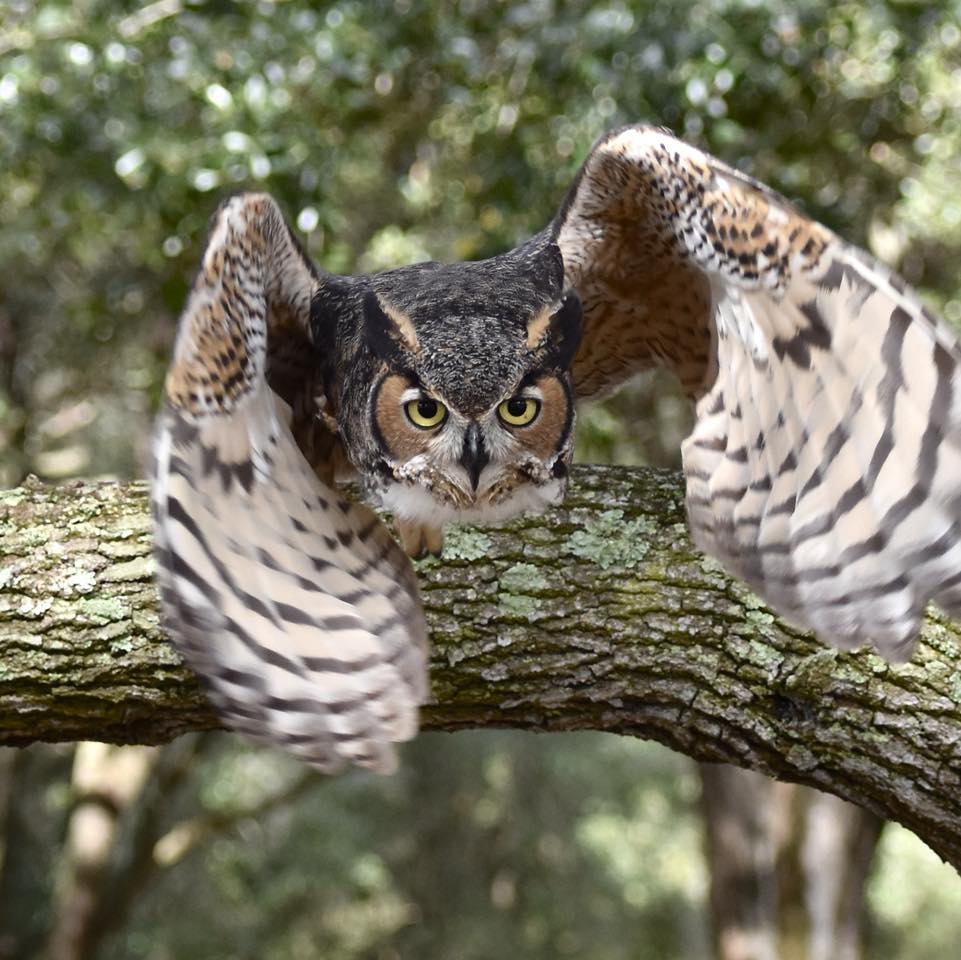
- The biology and physical characteristics of the Great Horned Owl.
- The hunting behavior and diet of Tuesday, the Great Horned Owl.
- The ecological role of Great Horned Owls in their habitats.
- The challenges faced by Great Horned Owls in conservation.
- The importance of wildlife management and public awareness in owl conservation.
Tuesday, the Great Horned Owl, epitomizes both the beauty and complexity of avian life. A species that thrives in diverse environments, the Great Horned Owl showcases remarkable adaptations that allow it to survive in varied climates. Understanding Tuesday’s biology and characteristics offers vital insights into the species as a whole.
Great Horned Owls are among the largest owls in North America. With a wingspan that can reach up to five feet, they are easily recognizable by their tufted ear-like feathers, yellow eyes, and distinctive spotted plumage. Their feathers serve not only as a camouflage but also help in silent flight, a crucial feature for a predator. Adult Great Horned Owls typically weigh between 2 to 5.5 kilograms, with females usually being larger than males. Their incredible eyesight allows them to spot prey in low light, while their acute sense of hearing enables them to locate sound sources with astonishing precision.
The hunting behavior of Tuesday and other Great Horned Owls illustrates their adaptability. These owls are opportunistic feeders, consuming a diverse diet that includes mammals, birds, and sometimes reptiles. They are known to hunt everything from rabbits and squirrels to larger prey like raccoons or the occasional domestic pet. What sets Great Horned Owls apart is their remarkable ability to hunt in complete darkness, a skill bolstered by superior night vision. They often perch silently on trees, scanning the ground for movement. When they spot potential prey, they swoop down with remarkable speed and agility, capturing it with their powerful talons.
Great Horned Owls play an essential role in their ecosystems. As apex predators, they help regulate populations of small to medium-sized mammals, which in turn impacts plant growth and overall biodiversity. Their presence indicates a healthy environment and balanced ecosystem. However, their role goes beyond mere predation; they also help control pest populations that might otherwise damage crops or spread diseases. The presence of Great Horned Owls often signals an area well-suited for various species, contributing to overall ecological balance.
Unfortunately, Great Horned Owls are not without their challenges. Habitat destruction, climate change, and human encroachment threaten their existence. Urban development reduces their hunting grounds, while pesticide use can lead to secondary poisoning. Furthermore, as natural forests diminish, these birds struggle to find appropriate nesting sites. Conservation efforts are vital not only for the well-being of these owls but also for maintaining the health of their ecosystems. Public awareness and education about the importance of these birds play a crucial role in driving conservation initiatives.
Wildlife management practices can assist in the preservation of Great Horned Owls. These practices often focus on habitat restoration and protection, as well as public education campaigns to reduce conflict between humans and wildlife. Ensuring that natural habitats are preserved minimizes the impact of human activity on these owls. Educational initiatives can teach communities about the significance of Great Horned Owls and how best to appreciate them without disrupting their habitats.
Awareness also fosters community involvement. Citizens can contribute to conservation efforts by creating owl-friendly environments in their backyards. This may involve planting native species, providing nesting boxes, and avoiding the use of harmful chemicals. Engaging in local conservation organizations can also bolster protection efforts, enabling communities to collaborate on projects that benefit both wildlife and humans.
The story of Tuesday, the Great Horned Owl, is not just about one individual creature; it represents a larger narrative about the relationship between humans and wildlife. As we engage with our environment, we must recognize our responsibility to protect the species that share our world. By advocating for responsible land use and conservation efforts, we can foster a future where owls, among other wildlife, can thrive in harmony with human activity.
Motivation for the week can come from various sources. For some, the beauty of a Great Horned Owl in flight may evoke a sense of wonder, inspiring them to approach their tasks with renewed enthusiasm. Others might find motivation in the act of contributing to conservation efforts, whether through volunteering or simply spreading awareness. Each small action contributes to a larger cause, reminding us that even minor commitments can have significant impacts.
In summary, Tuesday, the Great Horned Owl, embodies the spirit of wildlife conservation and the importance of understanding the natural world. From her biology and behaviors to the challenges faced by her species, studying Great Horned Owls opens a dialogue about broader environmental issues. As we venture into another week, let Tuesday’s tenacity inspire us to pursue our goals and strive for a future where both humans and wildlife coexist sustainably. What motivates you to keep pushing forward in your work week? Share your thoughts below!
*****
Source Description
Tuesday, the Great horned owl, taking flight into…yet another week.😂 Comment below something that is keeping you motivated for your work week!🏋🏼♀️
