
- Turtles are threatened by habitat destruction, which significantly reduces their living space.
- Increased road mortality poses a significant danger to turtle populations as they cross busy roadways.
- Climate change impacts turtle species, influencing their nesting patterns and survival rates.
- Poaching and illegal collection for pets and consumption severely affect turtle populations, leading to declines.
- Conservation efforts, such as the Confiscation to Reintroduction Strategy in Madagascar, provide hope for turtle survival.
Turtles serve as fascinating, ancient members of the animal kingdom, with their evolutionary lineage dating back over 200 million years. However, despite their iconic hard shells, turtles keep facing a variety of threats that put their survival at risk. Understanding these challenges is crucial for effective conservation strategies aimed at preserving these reptiles.
Habitat destruction often tops the list of dangers facing turtle populations. As urban areas expand and agriculture intensifies, essential nesting and foraging habitats vanish. Wetland areas, which provide important environments for many freshwater turtle species, are drained for development. Coastal habitats where marine turtles lay eggs are increasingly threatened by rising sea levels and human activities. Studies indicate a decrease in suitable nesting sites, which subsequently results in lower hatchling success rates. The alteration of natural landscapes leads not only to loss of shelter but also to fragmented populations, making it difficult for turtles to find mates.
The peril of road mortality is another significant threat. Turtles often cross roads as they seek out nesting sites or new foraging grounds. Unfortunately, their slow movement puts them at risk of being struck by vehicles. In the United States alone, thousands of turtles are killed each year on roads. This issue is exacerbated during nesting seasons when females journey long distances to lay eggs. Conservationists advocate for measures such as turtle crossing signs and wildlife corridors to mitigate this issue, yet many areas lack the infrastructure to protect these creatures.
Climate change presents a further layer of complexity to the already precarious existence of turtles. Rising temperatures may alter the sex ratios of hatchlings, with warmer sand producing more females in sea turtles. Changes in temperature and precipitation patterns disrupt the delicate balance required for successful egg incubation and hatching. Furthermore, extreme weather events, such as hurricanes and flooding, threaten nesting sites. The nesting season can be cut short or devastated by these disturbances, leading to catastrophic reproductive failures for many turtle species.
Poaching and illegal collection also pose significant risks to turtles worldwide. Demand for exotic pets and traditional medicine often places turtles in danger. Species like the Radiated Tortoise have been particularly affected due to their striking appearance and the high market value they command. Every year, thousands of turtles are illegally harvested. These practices not only undermine local ecosystems but also strip communities of their natural heritage.
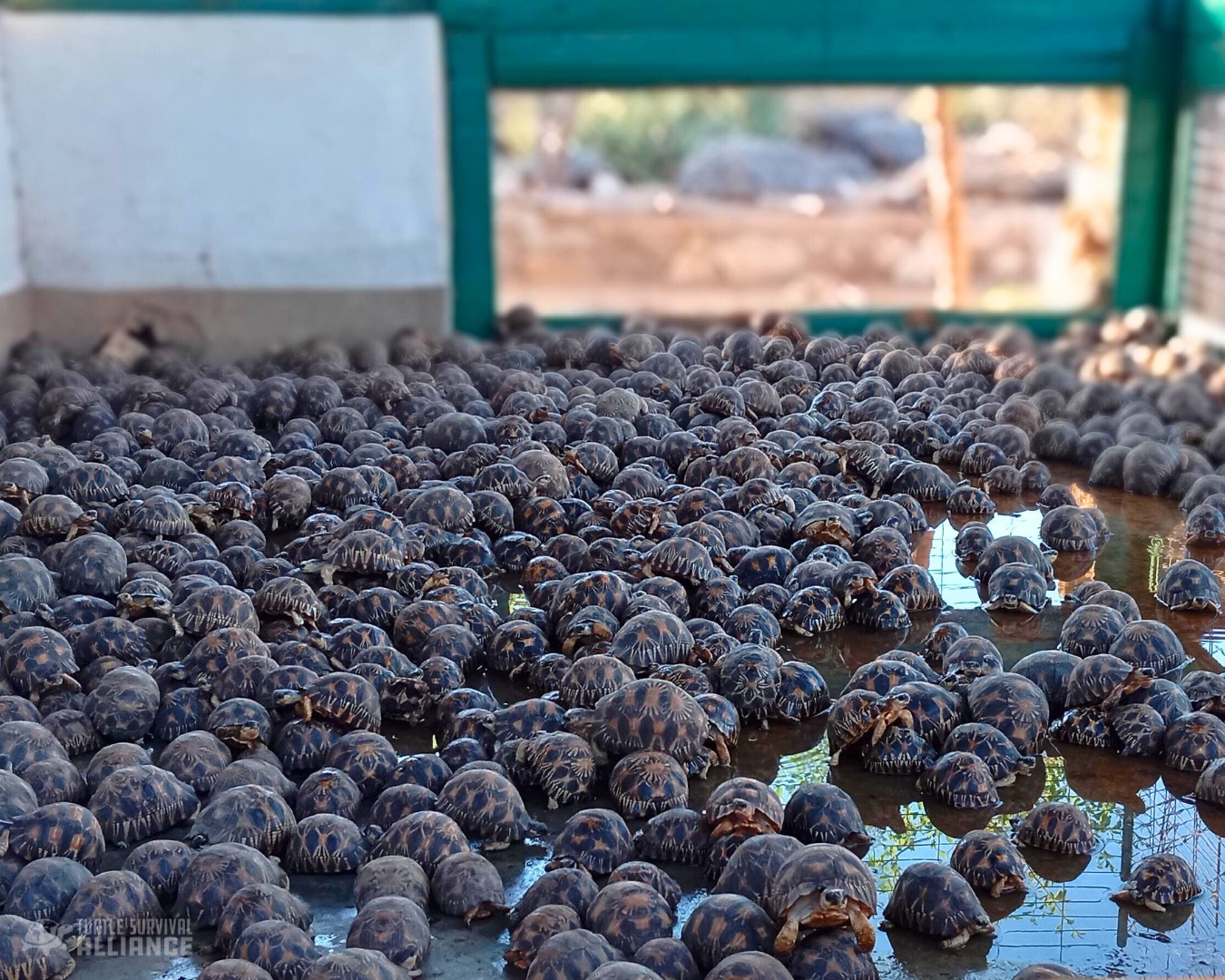
In Madagascar, the plight of the Radiated Tortoise (Astrochelys radiata) exemplifies the threats turtles face due to poaching. This species is listed as Critically Endangered on the IUCN Red List, and thousands were confiscated from illegal operations in recent years. The Turtle Survival Alliance (TSA) has mounted a robust response to this issue, implementing their Confiscation to Reintroduction Strategy. With a substantially growing population of over 20,000 Radiated Tortoises under their care, TSA exemplifies concerted conservation efforts in action.
TSA’s work extends beyond just caring for the confiscated animals. Collaborating with Malagasy government officials, local gendarmes, and community volunteers, they actively intervene in illegal poaching attempts. These collaborations lead to timely confiscations, protecting turtles from immediate threats and ensuring they are safe while awaiting reintroduction to their native habitats. The response to a major recent confiscation of nearly 1,400 tortoises highlights the ongoing challenges faced in curbing illegal trade.
Community involvement is vital to changing perceptions of turtles and poaching. Educational programs aimed at local communities help raise awareness about the ecological importance of turtles. By showcasing the value of turtles in maintaining healthy ecosystems, organizations encourage sustainable practices that benefit both wildlife and human residents. This dual focus is essential for conservation that not only protects turtles but also promotes the overall health of the environment.
In addition to direct interventions, wider policy changes and global cooperation are necessary to combat illegal wildlife trade effectively. International treaties like the Convention on International Trade in Endangered Species (CITES) aim to regulate and monitor trade in endangered species, including turtles. Enforcement of these regulations remains inconsistent, however, and requires ongoing commitment from countries to work together collaboratively.
Climate change adaptation strategies will also play a role in turtle conservation initiatives. Protecting critical nesting habitats from development, creating managed reserves to support turtle populations, and undertaking habitat restoration can mitigate some effects of climate change.
The intersection of science and community engagement is palpable in turtle conservation work. Organizations like TSA not only employ scientific methods to care for and rehabilitate turtles, but they also engage local populations to foster stewardship. This dual approach significantly bolsters conservation efforts, providing a more well-rounded solution to the challenges turtles face.
For individuals, supporting organizations dedicated to turtle conservation can lead to tangible change. Donations, volunteering, and raising awareness through social media can amplify the message and help combat threats facing turtles. Everyday actions, such as reducing plastic use to protect marine turtles from ingestion and habitat loss, also make a difference.
As we learn more about the realities of turtle conservation, it is evident that they face more threats than many realize. Habitat destruction, road mortality, climate change, poaching, and illegal collection all contribute to their plight. Yet, the strides made through conservation efforts, particularly in areas like Madagascar, illustrate that hope exists.
By understanding these threats and actively participating in conservation initiatives, we can contribute to a brighter future for turtles around the globe. Supporting efforts to safeguard these ancient creatures is paramount, and every action counts in the quest to promote biodiversity and ensure the survival of turtles in an ever-changing world.
Turtles may be emblematic of longevity and resilience in the natural world, but the challenges they face are pressing. Enhanced awareness can lead to more effective conservation efforts, spurring societal change that bolsters the survival of these remarkable reptiles. As we continue to follow and support initiatives aimed at protecting turtles and their habitats, we take vital steps toward ensuring their enduring presence on this planet.
*****
Source Description
Turtles face more threats than you may think—their shells can’t protect them from everything.
On the second day of we want to bring attention to the many threats that turtles face, including habitat destruction, road mortality, and climate change. Many species also face the threat of poaching and collection for the pet trade. Wild turtles are often targeted for collection, whether for pets and status symbols, or harvesting for consumption.
One of our biggest interventions in protecting wild turtles is with our Confiscation to Reintroduction Strategy in Madagascar. We currently care for more than 20,000 Radiated Tortoises that were confiscated from poaching networks, and are waiting release back into the wild. This includes a batch of nearly 1,400 tortoises (pictured) that we confiscated earlier this year from an illegal poaching operation. We work with Malagasy government officials, national and local gendarmes (police), and community volunteers to intervene in illegal poaching operations and take tortoises into our care, giving them a chance to return to their natural habitats.
Turtles may face many threats, but there is hope. Supporting organizations like us that work to stop illegal collection and help rewild turtles leads to a brighter future for turtles around the world.
Follow along with us all week to learn more about wild turtles, the threats they face, and how you can make a difference.
Pictured: Radiated Tortoise (Astrochelys radiata)
IUCN Red List Status: Critically Endangered
📸: Courtesy of Turtle Survival Alliance Madagascar.
@parcconserve
