
- The ecological significance of turtles in local habitats
- The role of Sioux Falls Zoo & Aquarium in turtle conservation
- The challenges and responsibilities of caring for rescued turtles
- Best practices for encountering turtles in the wild
- Community engagement in wildlife stewardship
Turtles play a vital role in maintaining ecological balance. In many ecosystems, their activities help manage plant life and water quality. For instance, turtles contribute to aquatic environments by grazing on vegetation, which keeps the growth in check. They also serve as prey for larger animals, making them an essential link in the food web. Their slow and deliberate nature has allowed them to inhabit diverse environments for millions of years, highlighting their ecological resilience.
At Sioux Falls Zoo & Aquarium, turtles are embraced not only for their ecological roles but as part of a broader commitment to conservation. This institution provides care for various turtle species that have been rescued. Many turtles brought to the facility were initially taken from their natural habitats by well-meaning individuals who later recognized their inability to properly care for them. By providing these turtles with a safe space, the Sioux Falls Zoo & Aquarium serves as a sanctuary, offering visitors a chance to learn about these extraordinary creatures and their ecological importance.
Caring for rescued turtles involves addressing several challenges. Many of these animals suffer from health issues and stress due to their previous conditions. Additionally, ensuring proper diet and habitat conditions is crucial for their rehabilitation. The caregivers at the zoo are trained in veterinary care and nutrition, enabling them to meet the specific needs of different turtle species. This knowledge is vital not only for the individual health of the turtles but also for fostering a successful breeding program that can contribute to future conservation efforts.
One key aspect of turtle conservation is understanding what to do when encountering turtles in the wild. If a turtle is crossing the road, it is usually acceptable to help, but only if it is moved in the direction it was initially traveling. Turtles have a keen sense of direction and will often return to their original path if disturbed. It is critical to take care not to place the turtle anywhere other than its intended route. When left alone, turtles know how to find nesting sites and food resources, fundamental for their survival.
Engaging the community is essential for wildlife stewardship. The Sioux Falls Zoo & Aquarium actively encourages visitors to participate in turtle conservation dialogues, educational programs, and volunteer opportunities. By raising awareness about the importance of turtles, the zoo seeks to foster a sense of responsibility for local wildlife among community members. This outreach helps to build a culture of respect for these creatures and emphasizes the need for conservation efforts.
In addition to providing hands-on experience with turtles, educational initiatives often feature information about the natural history and biology of various turtle species. Many turtle species are threatened or endangered due to habitat loss, pollution, and illegal pet trade. By educating the public about these challenges, the zoo aims to create informed advocates for turtle conservation.
The primary threats to turtles vary by species but often include anthropogenic factors. Urban development disrupts their natural habitats, leading to a decrease in nesting areas and food sources. Pollution can lead to unhealthy conditions for aquatic turtles, affecting their reproductive success and overall health. Awareness of these issues can prompt community members to advocate for policies protecting habitats and promoting sustainable practices.
Furthermore, the conservation of turtles is integral to ensuring biodiversity. Each turtle species contributes to its ecosystem, and their decline can lead to unforeseen consequences. For instance, certain turtles help maintain aquatic vegetation, which in turn aids water quality and reduces algae blooms. Their roles in sediment turnover and nutrient cycling cannot be overstated.
The variety of turtles at the Sioux Falls Zoo & Aquarium also serves an educational purpose. Each species has its unique characteristics, such as different shells, sizes, and behaviors. By showcasing these differences, the zoo fosters a deeper appreciation for biodiversity. Guests can learn about the Eastern Box Turtle, known for its hinged shell that allows it to close itself off from predators, or the snapping turtle, which represents a more aggressive side of turtle behavior.
Field conservation efforts are another area where the zoo excels. Several programs focus on habitat restoration, aiming to improve conditions for both captive and wild turtle populations. These initiatives often involve partnerships with local environmental organizations and agencies. By working together, they can more effectively address habitat degradation and develop corrective actions.
Local community events often spotlight interactive experiences with turtles. Hands-on programs allow participants to learn about their care and ecology while engaging in crafts or conservation activities. These events create a shared experience and inspire a personal connection to wildlife, encouraging attendees to consider how they can positively impact their local environment.
Another meaningful aspect of turtle conservation is scientific research. At Sioux Falls Zoo & Aquarium, ongoing studies on various turtle species help track health, behavior, and reproductive patterns. This data is vital for understanding the long-term trends affecting turtle populations. By contributing to a broader scientific dialogue via research publications, the zoo plays an important role in advancing turtle conservation strategies.
Active involvement with other research institutions allows the zoo to stay updated on new methodologies in turtle care and conservation. This cooperation facilitates information sharing, enhancing the overall effectiveness of rescue and rehabilitation programs. The commitment to science-based practices ensures that the turtles receive the best care, which is crucial in an ever-changing environment.
The role of zoos extends beyond individual species conservation; they serve as valuable repositories of knowledge and resources. The Sioux Falls Zoo & Aquarium exemplifies this by integrating research, education, and community engagement into a cohesive conservation strategy focused on turtles and their habitats. Through such initiatives, the zoo prepares the next generation for a future where they will continue advocating for wildlife.
Individuals wishing to support turtle conservation can engage in several activities. Simple actions like educating friends and family about local turtle populations or participating in clean-up events can lead to meaningful change. Adults and families can also instill a love for turtles in children, setting a foundation for future environmental stewardship.
Advocacy for responsible pet ownership is another area where community members can make a difference. Potential pet owners should be informed about the complexities of caring for turtles, discouraging impulsive decisions that may lead to abandonment. Instead, promoting adoption and encouraging education can significantly impact the health of turtles both in captivity and in the wild.
Turtles are vital components of our ecosystems and deserve our respect and protection. At the Sioux Falls Zoo & Aquarium, the commitment to caring for turtles extends beyond the facility’s walls. By engaging the community, fostering educational programs, and conducting research, the zoo creates a comprehensive approach focused on the well-being of these important animals.
Taking the time to learn more about turtles can inspire a sense of connection with wildlife, motivating individuals to act. By collectively contributing to their conservation, we can help ensure future generations will have the opportunity to appreciate these remarkable creatures. The journey to understand and protect turtles is not just a job for experts and institutions; it is a shared responsibility that encourages all of us to partake in the stewardship of our natural environment. Together, we can create positive impacts that resonate long into the future for both turtles and the ecosystems they inhabit.
*****
Source Description
It’s 🐢
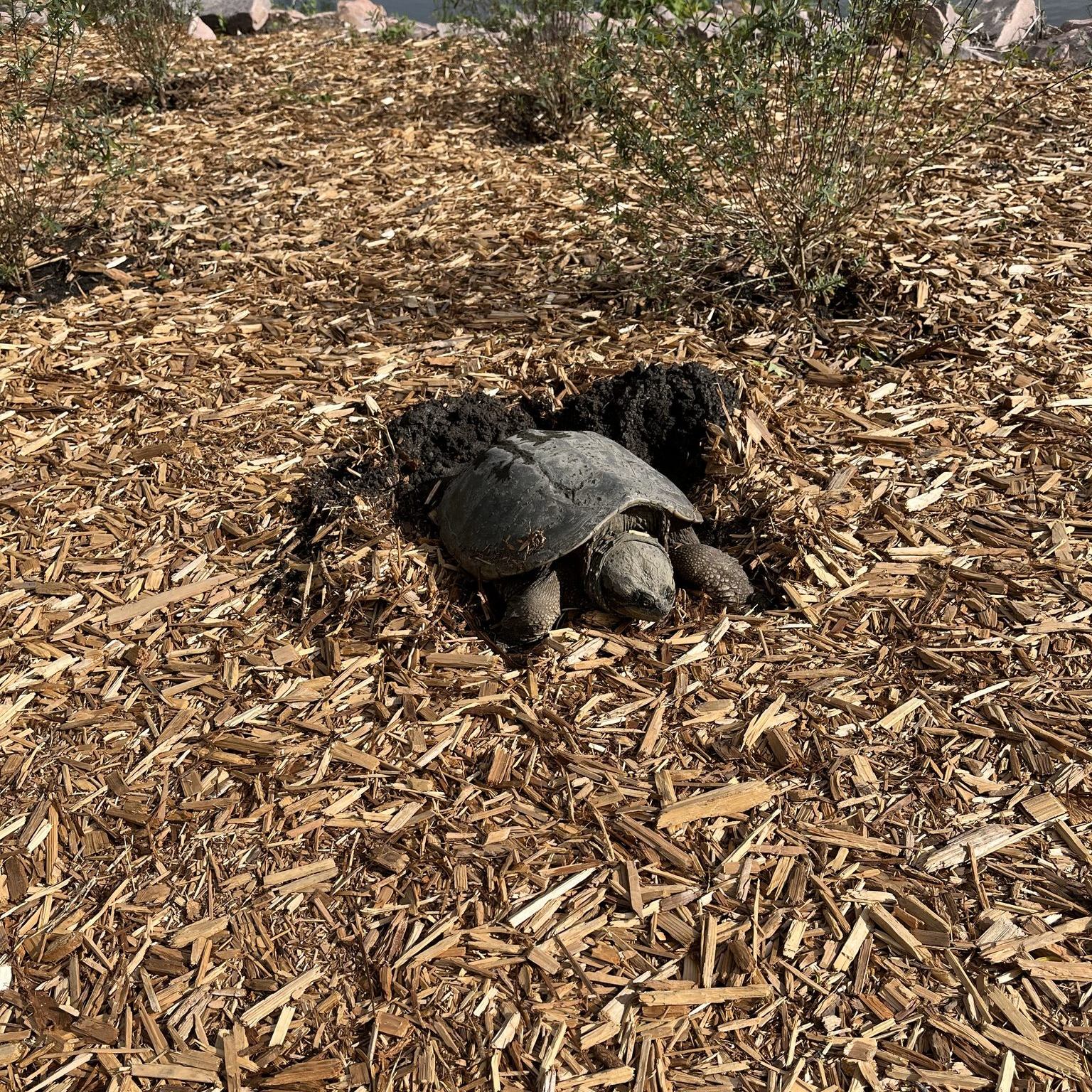
At Sioux Falls Zoo & Aquarium, turtles have a special place in our hearts. Wild turtles often nest right on our Great Plains Zoo campus. When you see them, give them space and let nature take its course!
At our Butterfly House & Aquarium campus, we care for many turtles that were once taken from the wild, only to be returned when people couldn’t care for them. We are proud to care for all the turtles while they serve as ambassadors for their wild cousins!
If you spot a turtle crossing the road, it’s okay to help—just move it in the direction it was headed. Otherwise, it’s best to leave them be! They know what they’re doing! Let’s work together to protect and respect our wild neighbors. 💚
.
.
.
