
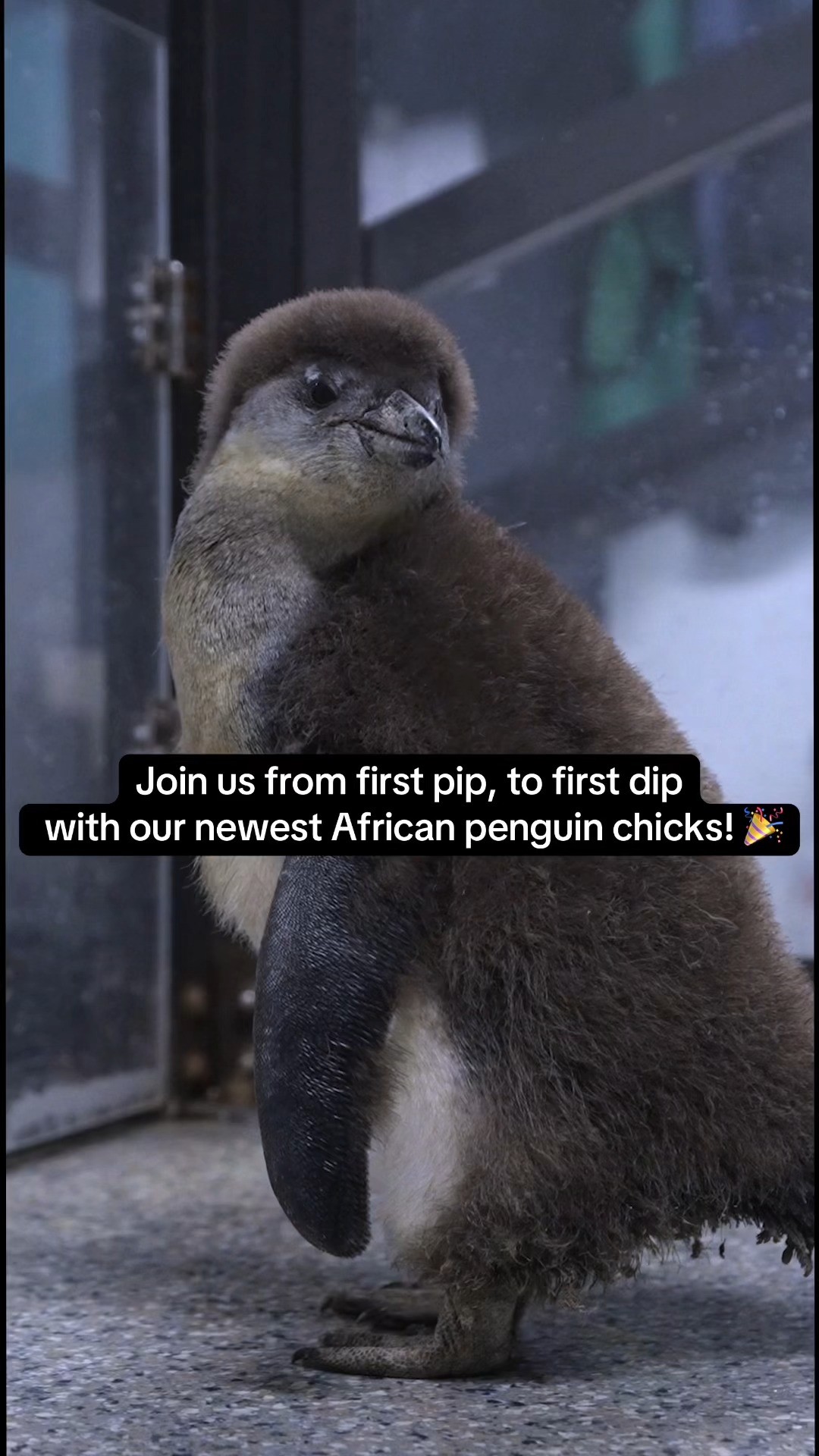
- The significance of Kivuli, Ikhulu, and Ishirini in the Cold Water Quest program.
- Behavioral characteristics and habitats of the tuxedoed trio.
- The role of zoos in wildlife conservation and education.
- The challenges faced by cold-water penguin species.
- Community engagement and visitor education on penguin conservation.
The recent arrival of Kivuli, Ikhulu, and Ishirini in the Cold Water Quest program highlights the importance of wildlife preservation and education. These three penguins contribute to the growing focus on conserving cold-water species, a topic of particular relevance in today’s ecological context. Each individual brings unique attributes to the colony, enriching the social dynamics of their new environment and fostering educational opportunities for the public.
Penguins are characterized by their distinctive black and white plumage, often referred to as tuxedos. This striking coloration serves a critical function in their natural habitats. The black dorsal feathers help with camouflage from predators while swimming in the ocean, while the white underbelly blends in with the sunlit surface when viewed from below. Kivuli, Ikhulu, and Ishirini, the latest additions to the colony, exemplify these adaptations while also being fascinating subjects for studying animal behavior.
The social dynamics of penguins, particularly in species that inhabit cold waters, are intricate. These birds exhibit strong social behaviors, often forming tight-knit groups that display cooperative strategies for foraging and rearing their young. Each member of the colony plays a role, contributing to the overall health of the social structure. Kivuli, Ikhulu, and Ishirini are no exceptions. Their interactions will not only impact their own community but also serve as visual aids for zoo-goers to understand the complexity of animal communication and social structures.
Zoos serve as pivotal institutions for wildlife conservation and education. While they often provide entertainment, their primary mission is to promote the protection of endangered species and their habitats. Kivuli, Ikhulu, and Ishirini will be crucial in this educational framework. By fostering a connection between visitors and these penguins, zoos can inspire action toward conservation efforts, emphasizing that every individual can play a part in preserving biodiversity.
Cold-water species, including various types of penguins, face numerous environmental challenges today. Climate change is a central concern, affecting ocean temperatures and altering fish populations that penguins depend upon for food. Pollution is another significant threat, as debris and toxins can infiltrate habitats and compromise the health of not only penguins but entire marine ecosystems. By showcasing Kivuli, Ikhulu, and Ishirini, zoos provide an opportunity for public education on these crucial issues. Visitors can learn about the importance of sustainable practices and how they can contribute to the preservation of cold-water ecosystems.
Community engagement cannot be overlooked in the mission of wildlife conservation. By actively involving local communities, zoos create a culture of stewardship toward environmental issues. Programs that encourage citizen science projects, habitat restoration efforts, and donations toward conservation initiatives can significantly impact the survival of cold-water species. Kivuli, Ikhulu, and Ishirini serve as ambassadors for these efforts, allowing people to feel a genuine connection to wildlife.
Kivuli, Ikhulu, and Ishirini’s journey within the Cold Water Quest offers refreshing insights into the life of penguins. The trio’s adaptability and social skills are vital to their survival, both in the wild and in a guided environment like a zoo. Educational programs designed around their characteristics and behaviors will foster awareness about the importance of these species and their habitats.
The intricate social behaviors displayed by penguin colonies aid in understanding how animals communicate. The trio will showcase various forms of vocalization, body language, and social interactions that play a crucial role in their day-to-day lives. Engaging with the public through interactive exhibits allows people to witness these behaviors firsthand, deepening their understanding of these remarkable birds.
Additionally, feeding sessions at a zoo present an opportunity for education on the dietary requirements of penguins. Information regarding their natural prey, the impact of overfishing, and sustainable seafood choices can be relayed effectively during these sessions. This exposure helps shift public perception about the importance of marine conservation. By integrating Kivuli, Ikhulu, and Ishirini’s diet into educational programming, zoos present an informative perspective on appropriate conservation measures.
Challenges specific to cold-water penguins are compounded by human action. Habitat degradation from pollution, overfishing, and climate change pushes these animals toward extinction. The plight of penguins serves as a barometer for the health of marine environments. Kivuli, Ikhulu, and Ishirini highlight the connections between different species and ecosystems. Educational efforts designed around their stories help convey vital conservation messages to a wider audience.
The introduction of these three members into the colony also begs opportunities for further scientific research. Each penguin contributes to the understanding of genetic diversity within captive breeding programs aimed at sustaining populations. By involving species in a cooperative breeding initiative, zoos can replicate successful mating practices observed in the wild. This knowledge is crucial as captive breeding programs aim to bolster dwindled populations.
Visitors can become part of an enthusiastic narrative surrounding these penguins. Engaging with Kivuli, Ikhulu, and Ishirini through social media or zoo events fosters a community of advocates for their conservation. Sponsorship programs allow admirers to contribute directly to the welfare of the penguins, emphasizing a shared responsibility toward stewardship.
Furthermore, the emotional connections fostered through such engagements can inspire action. A single positive interaction can translate into a longer-term commitment to conservation efforts. By encouraging visitors to continually engage with their environment and participate in sustainability practices, zoos bolster a culture of responsibility that extends beyond their confines.
The impact of the tuxedoed trio on their audiences cannot be underestimated. Public fascination with penguins often translates into heightened awareness about environmental challenges. Educational initiatives that present in-depth knowledge about Kivuli, Ikhulu, and Ishirini offer clarity on complex issues while being engaging and accessible.
Penguin species are critical indicators of broader environmental health. As their habitats change, they offer vital information regarding ecosystem shifts. Understanding the factors affecting their survival enables informed dialogue addressing climate action, conservation funding, and community participation in local and global sustainability efforts.
To summarize, the arrival of Kivuli, Ikhulu, and Ishirini signifies more than just adding three penguins to the Cold Water Quest program. Their presence embodies essential educational aims and conservation goals. Through their interactions with visitors, they promote awareness about the challenges faced by cold-water species, highlight the significance of zoos in conservation efforts, and encourage community engagement.
With each viewing, visitors are given a chance to connect on a deeper level, becoming active participants in the larger mission of wildlife conservation. By fostering an environment where learning leads to action, Kivuli, Ikhulu, and Ishirini can inspire a generation committed to preserving the delicate balance of our ecosystems.
*****
Source Description
The tuxedoed trio have stuck their landing in Cold Water Quest! Drop a 💙 in the comments to welcome Kivuli, Ikhulu and Ishirini into our colony. 🐧
