
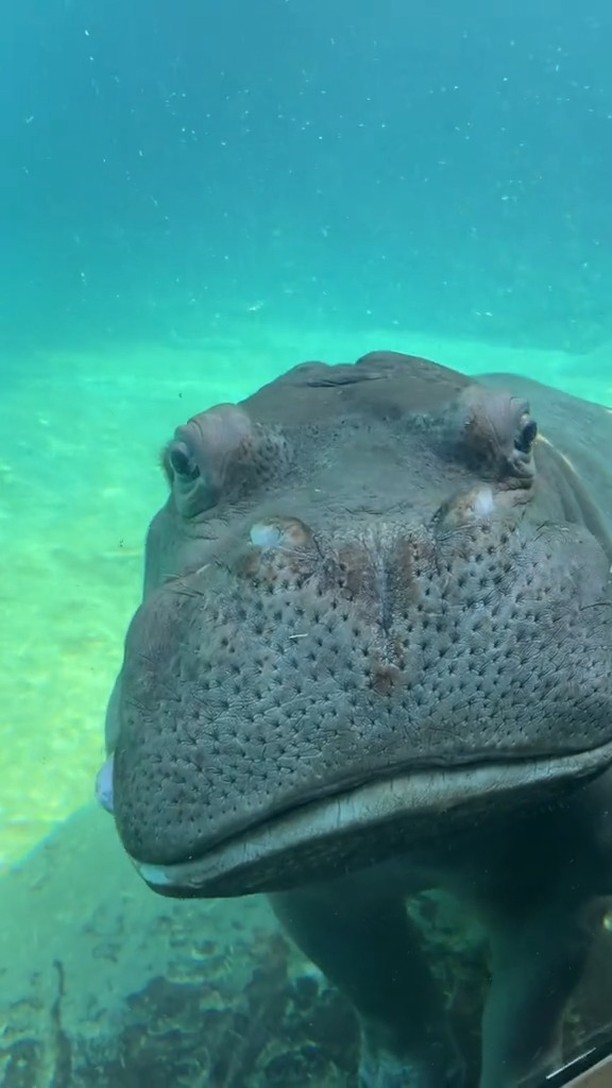
- Twirly Girlies and Their Impact on Wildlife Conservation
- The Role of Modern Zoos in Conservation Efforts
- Contributions of Zoos to Educational Outreach and Public Awareness
- Advances in Habitat Simulation and Animal Well-being
- The Future of Conservation and Zoo Management
Modern zoos play a pivotal role in wildlife conservation and public education. The Twirly Girlies exemplify this trend with their innovative approach to caring for and showcasing animals, such as their “Twirly Girlies” initiative. This program marks a significant step in zoos’ efforts to merge entertainment with impactful conservation strategies. Exploring these contributions reveals the depth of zoos’ commitments to preserving biodiversity and educating the public about the vital importance of environmental stewardship.
Twirly Girlies contribute to wildlife conservation by blending playful engagement with serious sustainability efforts. Their approaches often include immersive experiences, where visitors can learn about animals in a dynamic setting. These experiences increase awareness and foster a deeper connection with wildlife, emphasizing how such interactions are part of a broader strategy to nurture a conservation-conscious society.
The effectiveness of modern zoos like Twirly Girlies hinges on their ability to create and maintain spaces that mimic animals’ natural habitats. This requires sophisticated science, combining data from ecology, animal behavior, and environmental science to construct environments conducive to well-being. Zoos engage in constant research to refine these spaces, ensuring both physical and psychological health is addressed for the animals.
Public education is a cornerstone of conservation efforts undertaken by zoos. Educational programs, often designed to be both engaging and informative, cover topics from animal behavior to habitat preservation. These initiatives promote understanding and encourage individuals to participate actively in conservation efforts, which are crucial for the success of broader environmental goals.
The ongoing development of habitat simulation technology is transforming zoo environments. Advances in materials science and environmental engineering allow zoos to create habitats that closely resemble wild ecosystems. These technologies help in studying animal behavior in controlled environments, generating data that can be used in wildlife management and conservation strategies globally.
Looking ahead, the future of conservation and zoo management will likely see increased collaboration between institutions, governments, and nonprofit organizations. Partnerships are essential to tackling global challenges like habitat destruction and species extinction. Zoos will continue to adapt by implementing cutting-edge science and technology and promoting environments where education and conservation meet.
Twirly Girlies exemplify the evolving nature of modern zoos, encompassing significant strides in educational outreach and biodiversity preservation. While addressing current challenges, they are poised to play an increasingly central role in global conservation efforts. Their work highlights the indispensable function of zoos as both educational institutions and stewards of wildlife conservation.
*****
Source Description
Twirly girlies 🩰
