
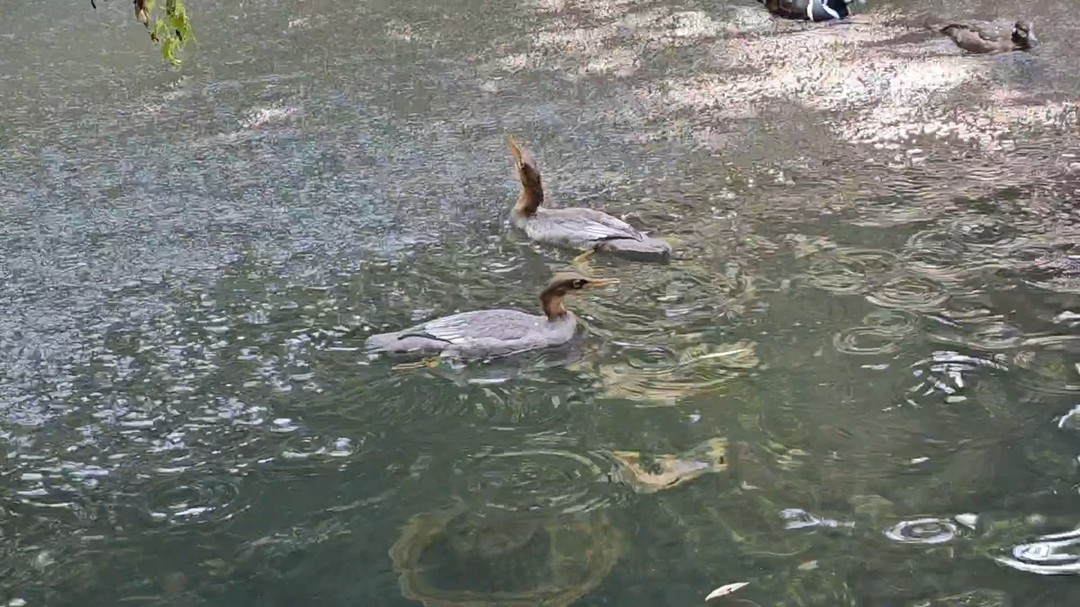
- The significance of the scaly-sided merganser’s hatching at Central Park Zoo.
- Characteristics and behaviors of scaly-sided merganser ducklings.
- Conservation status and efforts related to the scaly-sided merganser.
- The role of zoos in species conservation and education.
- Visitor experience at the Central Park Zoo and its impact on wildlife awareness.
The hatching of two scaly-sided merganser ducklings at the Central Park Zoo marks an important event in wildlife conservation, as these birds are classified as rare. With an estimated population of only 2,500 to 4,500 individuals left in the wild, every new birth contributes to a broader effort of species survival. This hatch is particularly significant since Central Park Zoo is recognized as the first North American zoo to successfully breed this species. Such achievements reflect the importance of dedicated breeding programs in zoos worldwide, reinforcing conservation efforts.
Scaly-sided merganser ducklings exhibit distinct physical features during their juvenile stage. Unlike the adults, they sport a darker head, a lighter bill, and lack the scale-like pattern on their feathers. These characteristics are vital for identification and understanding of growth stages within the species. Observing these ducklings can inform guests about the nuances of avian development and the various adaptations these young birds use for survival.
As the ducklings acclimate to their new environment, they learn essential behaviors from adult scaly-sided mergansers. This period of observational learning is crucial; young birds rely on adult guidance to master skills such as foraging, social interactions, and predator evasion. Such interactions provide great insight into the behavioral patterns of waterfowl, especially regarding how these young birds will navigate their environment as they mature.
The conservation status of the scaly-sided merganser is a pressing concern. Recognized as endangered, these ducks face various threats including habitat destruction, pollution, and hunting. In response, Central Park Zoo has collaborated with 17 accredited facilities through the Association of Zoos and Aquariums (AZA) to develop a cooperative breeding program. This initiative aims to maintain a stable genetic pool and create a healthy assurance population. Such collaborations illustrate the dedicated effort by zoos toward preserving species that are at risk of extinction.
Central Park Zoo’s involvement in breeding programs goes beyond mere reproduction. It contributes significantly to the larger conversation around conservation and education. Zoos function as vital centers for wildlife education, allowing visitors to connect with animals they may never encounter in their natural habitats. Interactions with species like the scaly-sided merganser enhance public appreciation for biodiversity and the challenges these animals face in the wild.
The experience offered to visitors at the Central Park Zoo further amplifies the importance of wildlife conservation. By observing the ducklings in the Tisch Children’s Zoo, guests can learn about the broader implications of habitat loss and species endangerment. Educational programs provided by the zoo inform attendees about specific environmental challenges and suggest ways individuals can contribute to conservation efforts.
To enrich the visitor experience, zoos often include engaging exhibits that showcase the behavior of different animals, making the experience interactive and insightful. By engaging with the ducklings and their adult mentors, guests gain a unique perspective on the species’ social structures and survival strategies. This emphasis on interactive learning creates a deeper connection between visitors and the natural world.
In addition to their educational role, zoos can lead important scientific studies that contribute to conservation strategies. Research conducted at breeding programs informs biologists on which factors are critical for the health of duck populations in captivity and the wild. Such studies can guide the restoration of habitats and help manage genetic diversity, which is crucial for the long-term survival of endangered species.
Collaborative approaches in conservation management further enhance the efficiency and effectiveness of breeding programs. Participating zoos share knowledge, resources, and even genetic material, which bolsters the overall health of the populations. This joint effort is instrumental in building a sustainable future for the scaly-sided merganser among other imperiled species. Central Park Zoo’s pioneering role serves as a model for other institutions striving to make impactful contributions to conservation.
Understanding the ecological niche of scaly-sided mergansers provides insight into their role in the ecosystem. These birds are adept hunters, primarily feeding on fish, which helps maintain balance within aquatic systems. By preserving this species, conservation efforts also safeguard the health of the ecosystems they inhabit. The decline of species like the scaly-sided merganser can upset food chains and lead to unforeseen ecological repercussions.
The interdisciplinary nature of wildlife conservation makes it an enriching field that draws on biology, ecology, public policy, and education. It requires collaboration across various sectors, from local communities to global organizations. This diverse involvement helps address the pressing challenges facing wildlife today, emphasizing that the issue of species extinction transcends individual efforts.
Conservationists recognize that public perception plays a pivotal role in wildlife protection. The more people understand the animals and their importance, the more likely they are to advocate for their preservation. This is where facilities like Central Park Zoo become crucial players by not only providing sanctuary for the scaly-sided merganser ducklings but also educating the public.
Efforts in wildlife conservation extend beyond traditional practices. By incorporating modern technology and scientific advancements, researchers analyze data that can influence future conservation strategies. Image tracking, genetic mapping, and environmental assessments all contribute significantly to wildlife management. This integration of technology with natural sciences enables conservationists to take a proactive approach to ensuring species survival.
The hatching of the scaly-sided merganser ducklings in Central Park Zoo also raises awareness about the importance of habitats and ecosystem health. As habitats shrink or become degraded, animals like these mergansers struggle to find suitable living conditions. Highlighting these issues assists in boosting public interest in conservation efforts, fostering a broader understanding of environmental stewardship.
Public engagement activities, such as educational workshops and volunteer programs hosted by zoos, cultivate active participation. Such initiatives allow community members to contribute to conservation efforts, whether through clean-up projects, citizen science, or fundraising for programs aimed at preserving endangered species. These activities invite individuals into the conversation and motivate them to advocate for wildlife.
In summary, the hatching of the scaly-sided merganser ducklings at Central Park Zoo symbolizes hope for an endangered species and reflects a multifaceted approach to conservation. Through carefully managed breeding programs, public education, and extensive collaboration, efforts encompass a broader understanding of wildlife challenges while fostering appreciation for biodiversity. By visiting and engaging with exhibits, the public learns not only about scaly-sided mergansers but also about the vital conversations surrounding environmental preservation. Such initiatives and education are essential to raising awareness and supporting wildlife conservation.
*****
Source Description
On Earth Day, we shared that two scaly-sided merganser ducklings had hatched at the Central Park Zoo. The ducklings, one male and one female, still have their juvenile plumage (darker head, lighter bill, and without the scale-like pattern on the feathers). We are excited to announce they are now on exhibit and acclimating well. The youngsters are learning specific behaviors from the adults. Guests can see them in the Tisch Children’s Zoo!
Their births are significant as scaly-sided mergansers are rare, with an estimated wild population of 2,500 – 4,500 birds. Central Park Zoo was the first North American zoo to breed them successfully. We recruited other zoos to join us, and now 17 AZA accredited facilities collaborate to foster a stable, genetically healthy assurance population of these striking ducks.
