
- Definition and Significance of Monophyodont Animals
- Comparison with Other Tooth Types: Polyphyodont and Deciduous
- Examples of Monophyodont Animals and Their Adaptations
- Ecological Roles and Conservation Considerations
- Implications of Monophyodonty in Evolutionary Biology
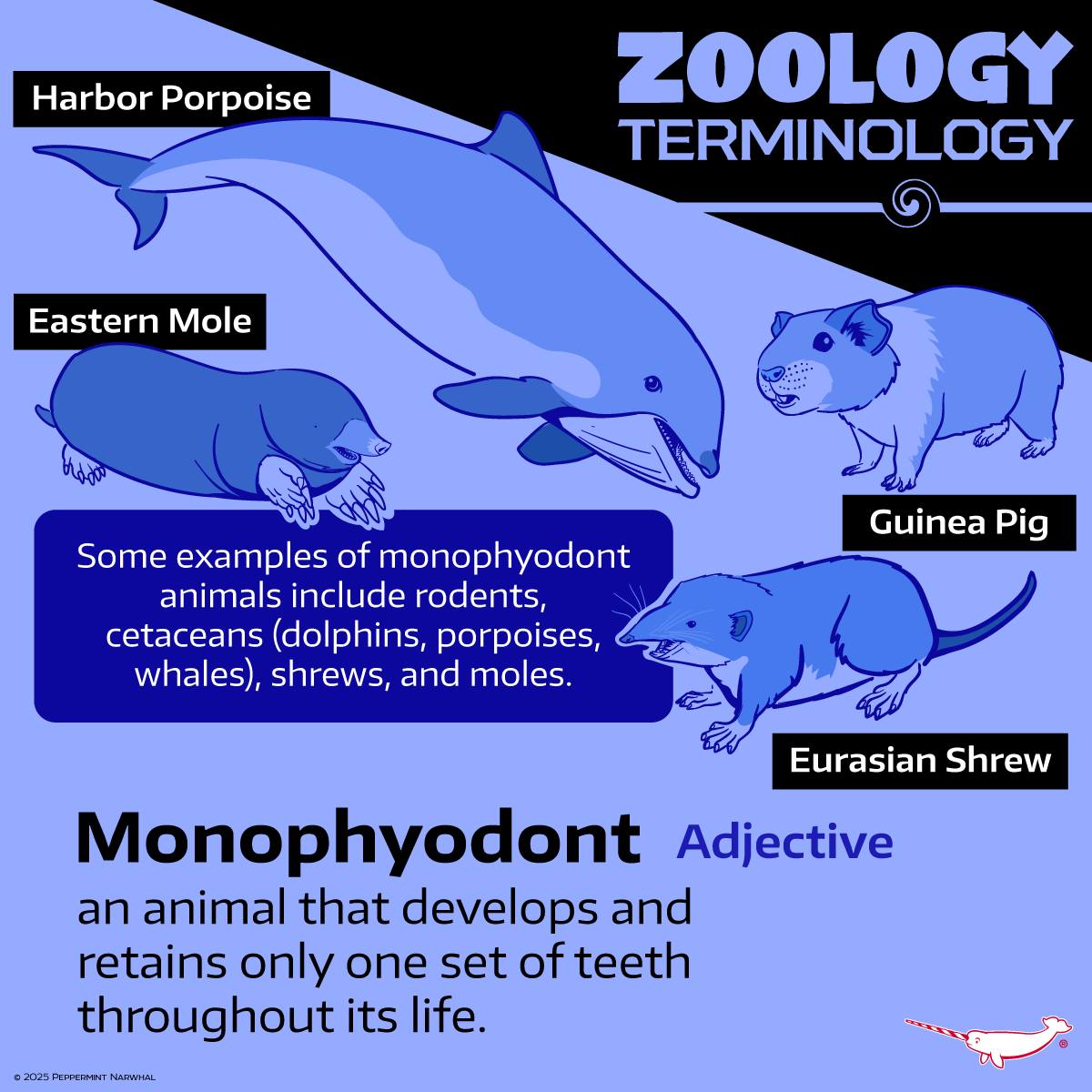
Monophyodont animals are defined by their unique dental structure. These species develop and maintain only one set of teeth throughout their lifetime. This contrasts sharply with polyphyodont animals, which continuously replace teeth throughout their existence. Understanding monophyodont terminology helps clarify the broader anatomical and evolutionary discussions within zoology.
Monophyodonty plays a significant role in various ecological and physiological adaptations for species survival. Each animal’s tooth structure reflects its diet, habitat, and lifestyle. Animals categorized as monophyodont often have specialized teeth that serve particular functions rather than a broad array that can be replaced as needed.
The monophyodont classification offers a window into the evolutionary processes that shape these animals. For instance, rodents, cetaceans, shrews, and moles all demonstrate differing tooth structures and uses. Rodents often possess continuously growing incisors which accommodate their herbivorous diets. Their teeth are highly adapted for gnawing tough plant material.
Cetaceans, like dolphins and whales, exhibit a range of adaptations including simplified tooth structures tailored to their aquatic environments. While some cetaceans possess many homodont teeth, others such as the sperm whale maintain a singular type of tooth that allows for efficient predation. This specialization raises intriguing questions about how monophyodont characteristics evolve in aquatic ecosystems.
In contrast, polyphyodont animals, which include the majority of fish and reptiles, replace their teeth multiple times throughout life. This adaptive mechanism offers advantages in environments where tooth wear is high, often due to abrasive diets. Animals such as sharks exemplify this, as they shed thousands of teeth over their lifetimes, ensuring that they always maintain functional dentition.
Monophyodont animals raise interesting discussions in zoological studies. Their one-set structure hints at evolutionary paths that prioritize other survival strategies over continuous tooth replacement. Adaptations may include stronger jaw musculature or enhanced digestive systems capable of processing tougher materials.
Exploring monophyodont examples, species such as shrews and moles employ their teeth effectively for insectivorous diets. Shrews, with their sharp teeth, can easily consume small invertebrates. Conversely, moles utilize their teeth for digging and consuming earthworms, highlighting the importance of tooth adaptation to nutritional needs.
Ecological roles of monophyodont species are equally vital. Rodents, for instance, serve critical functions in various ecosystems by acting as prey for many predators and contributing to soil aeration through their burrowing habits. Similarly, cetaceans have substantial roles in marine ecosystems. Their feeding behaviors can influence fish populations and marine biodiversity as a whole.
The study of monophyodonty also contributes to conservation biology. As these species adapt uniquely to their environments, changes in habitat or food sources can significantly impact their survival. Understanding their specific needs is crucial for developing effective conservation strategies. Many monophyodont animals are threatened by habitat loss, climate change, and pollution, necessitating targeted conservation efforts.
In examining monophyodont animals through an evolutionary lens, researchers can draw connections between dental structures and broader ecological patterns. For example, the retention of teeth throughout life might suggest stable environmental conditions that favor particular feeding strategies over time. This is especially relevant in discussions of how species adapt to changing climates and ecosystems.
Various other species also exhibit interesting dental structures. These relationships highlight the diversity within monophyodont classifications and how these adaptations relate to survival strategies. Notably, while some animals may retain a single set of teeth, others within similar ecological niches diverge in their dental adaptations to exploit different resources.
The implications of monophyodonty extend beyond mere classification into the realms of evolutionary biology. These animals serve as vital indicators of environmental health and changes in biodiversity. As sensitive species, their responses to ecological shifts can reveal much about the overall health of their ecosystems.
Researchers continue to explore the genetic and developmental mechanisms behind monophyodont characteristics. Advances in genomic studies reveal insights into how tooth development is regulated at the molecular level. This knowledge can lead to better understanding human dental health and the evolutionary processes that shape human teeth.
Incorporating the study of monophyodont animals into biology curricula can enhance understanding of evolutionary adaptations. By examining real-life examples, students gain insights into the relationship between structure and function in biology. This cultivates a deeper appreciation for the interconnectedness of species and the environments they inhabit.
Zoological research benefits greatly from an understanding of dental structures. Monophyodont species can serve as indicators of environmental change, revealing shifts in ecological balance. Ongoing studies into their feeding habits and dental wear provide a wealth of data for understanding evolutionary pressures.
Conservation efforts aimed at protecting monophyodont species play a crucial role in maintaining biodiversity. By safeguarding their habitats, we not only protect these unique animals but also the intricate networks of life they are part of. Efforts to restore and rehabilitate ecosystems can have lasting benefits for monophyodont populations and the overall health of the environment.
As new discoveries and technologies emerge, researchers will likely uncover more about the significance of monophyodont characteristics in various animal lineages. Future studies could focus on how habitats and diets may provoke variations in dental adaptations among monophyodont species.
The dynamic interplay between monophyodonty and evolutionary biology continues to inspire research efforts. Important questions remain regarding the role of environmental conditions in shaping tooth types and overall survival strategies.
By focusing on the details of these fascinating adaptations, we can appreciate the complexities of animal evolution and inform conservation strategies. Monophyodont terminology acts as a gateway to understanding broader biological principles that govern life on Earth. The marvels of biodiversity and the varied strategies for survival highlight the need for continued research and education in the field of zoology.
Understanding these concepts creates a foundation for thoughtful wildlife conservation and responsible environmental stewardship. Monophyodont species, alongside their ecological roles, remind us of the delicate balance that sustains life on our planet. Acknowledging the challenges they face ensures that we remain committed to protecting the rich tapestry of animal life and the ecosystems that support them.
*****
Source Description
Zoology Terminology
Monophyodont (Adjective) – an animal that develops and retains only one set of teeth throughout its life.
Some examples of monophyodont animals include rodents, cetaceans (dolphins, porpoises, whales), shrews, and moles.
Shop
www.peppermintnarwhal.com
Int’l Shoppers visit our Etsy store:
www.etsy.com/shop/PeppermintNarwhal
Monthly eNews
www.peppermintnarwhal.com/enews
Peppermint Narwhal Pin Checklists – Keep track of your growing collection!
Download Now: https://www.peppermintnarwhal.com/resources
Apparel Store – peppermintnarwhal.printful.me
