
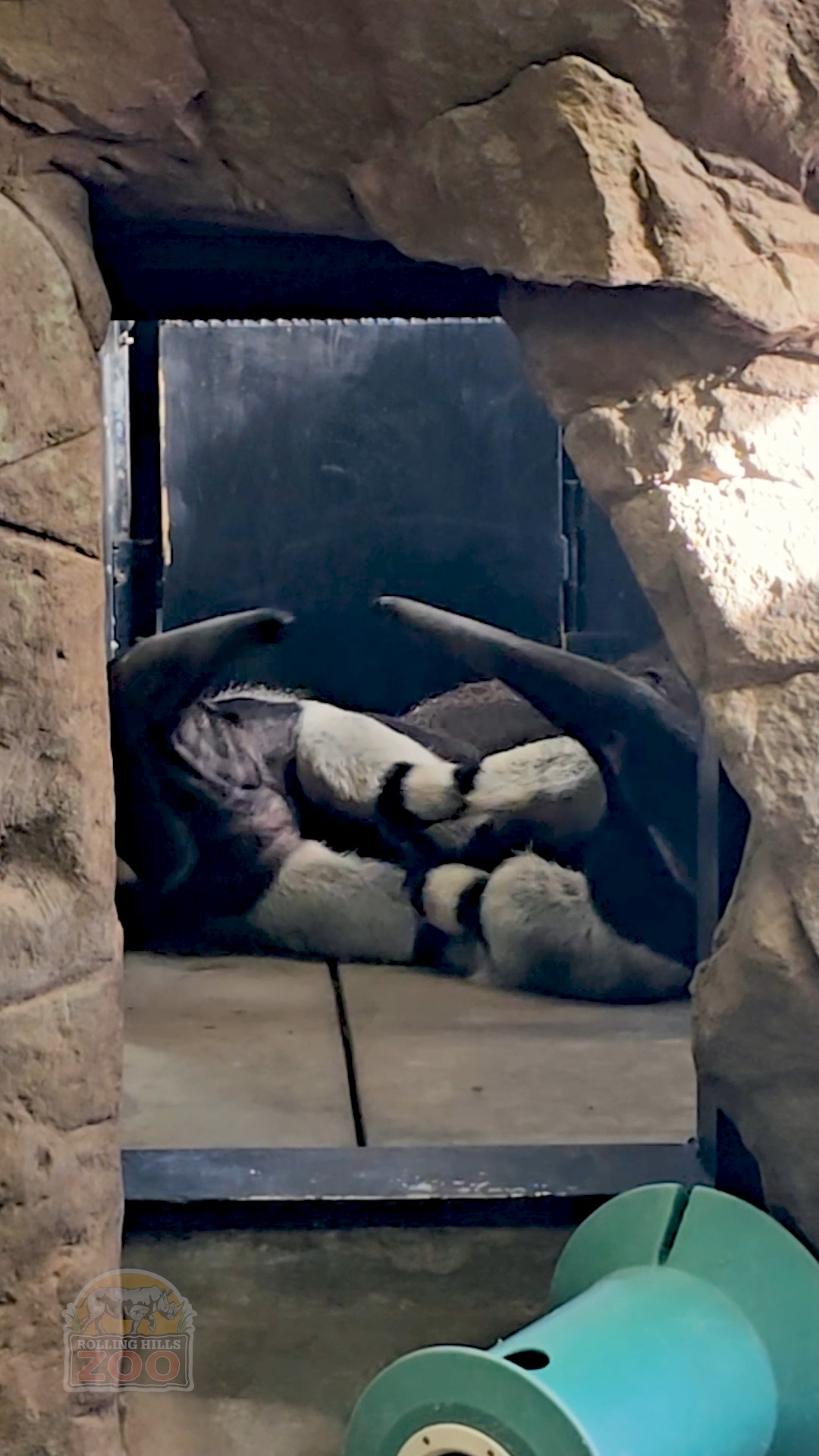
- The importance of animal communication patterns in introductions.
- Behavioral signs indicating comfort and discomfort between animals.
- The role of animal care teams in monitoring introductions.
- Significance of gradual introductions in animal relationships.
- Impacts of successful introductions on animal welfare and social dynamics.
Animal communication is a fascinating subject that transcends species boundaries. When animals engage in what may appear to be play, such as pawing or gentle pushing, they are actually communicating in subtle yet significant ways. This article explores the intricacies of animal behavior, particularly focusing on the introduction of new companions in a controlled environment, as seen with Pumpkin and Ruth, two anteaters undergoing a monitored introduction.
The initial stages of introductions are critical in establishing comfort levels. The behaviors displayed by animals during these interactions reveal their emotional states and social comfort. For example, gentle nudging or pawing can often signal curiosity and a willingness to engage. Conversely, if one animal appears withdrawn or hesitant, it is essential for the animal care team to recognize this as a sign of discomfort. These observed behaviors can provide valuable insights into the animals’ emotional states and their readiness for further interaction.
To fully grasp the significance of communication between animals, it is crucial to understand the varied forms it can take. For anteaters, physical cues play a major role in interactions. They might use their bodies to gauge proximity and explore the boundaries of their personal spaces. This tactile form of communication allows the animals to share their comfort levels effectively. Such behavioral expressions not only indicate willingness to coexist but also establish social hierarchies. The visible signs that Pumpkin and Ruth display during their introductions can reveal their intent and emotional states much more clearly than mere vocalizations.
Monitoring these complex interactions is where the expertise of the animal care team becomes invaluable. Their primary responsibility is to safeguard the well-being of the animals. Specialized training equips them to interpret both behavioral cues and body language. Understanding the subtleties of animal communication is essential for ensuring that the introduction process moves forward smoothly. Team members maintain detailed observation records, noting every significant interaction and behavior exhibited by Pumpkin and Ruth. These observations allow for informed decisions at every step of the introduction process.
Animal behaviors often reflect deep-rooted instincts, and this is certainly true for anteaters, which are naturally solitary creatures. The animal care team must approach introductions with caution, understanding that each animal requires time to acclimate to the presence of another. By carefully watching how they respond to one another, caregivers can facilitate progress at a pace that feels appropriate for both animals involved. This attentiveness prevents stress and mitigates potential conflicts, which could arise if the introduction were rushed.
Every animal relationship is unique in its formation, and this applies to Pumpkin and Ruth’s developing bond. Success in establishing their companionship depends on mutual cooperation, understanding, and time. Each interaction, carefully monitored and analyzed, aims to strengthen their relationship gradually. This promotes not just cohabitation but also emotional connection, leading to more harmonious living conditions.
It is important to highlight the impact of gradual introductions on animal welfare. A rushed introduction may lead to stress, behavioral issues, or even aggression. Conversely, a thoughtful approach promotes well-being and encourages positive social interactions among animals. In this case, monitoring means more than just observing behavioral signs; it also involves understanding the psychological implications of animal pairings and the importance of building trust.
As Pumpkin and Ruth continue their careful introduction, their daily interactions serve as a learning opportunity for their caregivers. Each paw and nudge provides data that can be used to guide the evolution of their relationship. The care team’s role transitions from mere monitors to facilitators of connection, enhancing the well-being and happiness of both animals in their care.
The nuances of animal communication, particularly during introductions, offer a window into the emotional complexities of animal relationships. Every signal sent and received contributes to mutual understanding and can either foster harmony or lead to tension. Recognizing these patterns is a critical skill for those involved in animal care and management. Understanding how animals communicate helps caregivers support emotional health, thereby contributing to positive social behaviors.
Animal management isn’t just about providing physical care; it’s about fostering relationships. Through carefully observed introductions, animals like Pumpkin and Ruth have the opportunity to navigate their new partnerships successfully. When animals are given the time and support to express their feelings, they are more likely to thrive in a social environment.
This dynamic process does not simply end after the initial introductions are made. The evolution of the relationship continues long after two animals are placed together. Continuous observation remains essential. Animals like Pumpkin and Ruth must adjust to each other’s nuances as they learn to coexist. Their continued interactions will yield new insights into their behavior and relationship dynamics.
The importance of qualified care teams cannot be overstated. The professional team must employ their knowledge of animal behavior and communication to foster a nurturing environment. Relationships should never be taken for granted, as they involve ongoing effort and observation to ensure that they remain healthy and positive.
Communication patterns viewed through the lens of behavioral science shed light on the emotional lives of animals. As caregivers, understanding these signals equips professionals with the necessary tools to facilitate better relationships and environments. For public awareness, sharing about these dynamics helps foster an appreciation for animal welfare and enhances conservation efforts.
Animal introductions like those of Pumpkin and Ruth serve as ideal examples of the importance of communication in animal relationships. Through careful monitoring and understanding, caregivers can create harmonious environments where animals can thrive together. Their journey offers key insights into how we can improve care, interactions, and overall welfare in zoological environments.
The journey of animal introductions underscores the complexities involved. Caregivers, through their expertise and attentiveness to animal behavior, play an instrumental role in shaping these experiences. Achieving positive outcomes enhances the welfare of the individuals involved and contributes to the greater goal of animal conservation. Every successful introduction stands as a testament to the significance of communication in fostering healthy, social relationships among animals, creating living environments that are as enriching as they are safe.
*****
Source Description
This may look like play, but what we’re actually seeing here is communication!
Pumpkin (male) and Ruth (female) are in the early stages of a carefully monitored introduction. Behaviors like pawing or gentle pushing help anteaters test boundaries and figure out how comfortable they are with one another.
Our incredible animal care team is watching every interaction closely. Our animals’ safety and well-being always come first, and introductions move at the pace the animals set.
Like any relationship, this process takes time, with every step guided by observation, experience, and what Pumpkin and Ruth tell us through their behavior.
