
- Pygmy Hippopotamus: Classification and Characteristics
- Physical Differences Between Pygmy and Common Hippos
- Diet and Habitat Preferences
- Social Behavior and Conservation Status
- The Role of Zoos in Pygmy Hippo Conservation
Pygmy hippos (Choeropsis liberiensis) are a fascinating species that often get compared to their larger relatives, the common hippos (Hippopotamus amphibius). While they may appear as just a smaller version of common hippos, they belong to different genera and species. This article will explore the classification, characteristics, and conservation of pygmy hippos, while illuminating the important distinctions between them and their more massive counterparts.
Pygmy Hippopotamus: Classification and Characteristics
The pygmy hippo is classified under the family Hippopotamidae, which they share with the common hippo, but belong to the subfamily Hippopotaminae. Pygmy hippos were first recognized as a separate species in the mid-19th century, although they had long existed in the dense forests of West Africa. They display a smaller size, generally weighing between 400 to 600 pounds and measuring about 4-feet long, while their larger relatives can weigh over 4,000 pounds.
In terms of physical features, pygmy hippos have shorter legs, proportionally smaller heads, and less pronounced body mass compared to common hippos. These adaptations allow them to move with agility in their forest habitats. Their skin is thick and hairless, yet unlike common hippos, pygmy hippos have a more compact, barrel-shaped body. The coloration is also distinct, often appearing darker or brownish, which aids in camouflage within their natural surroundings.
Physical Differences Between Pygmy and Common Hippos
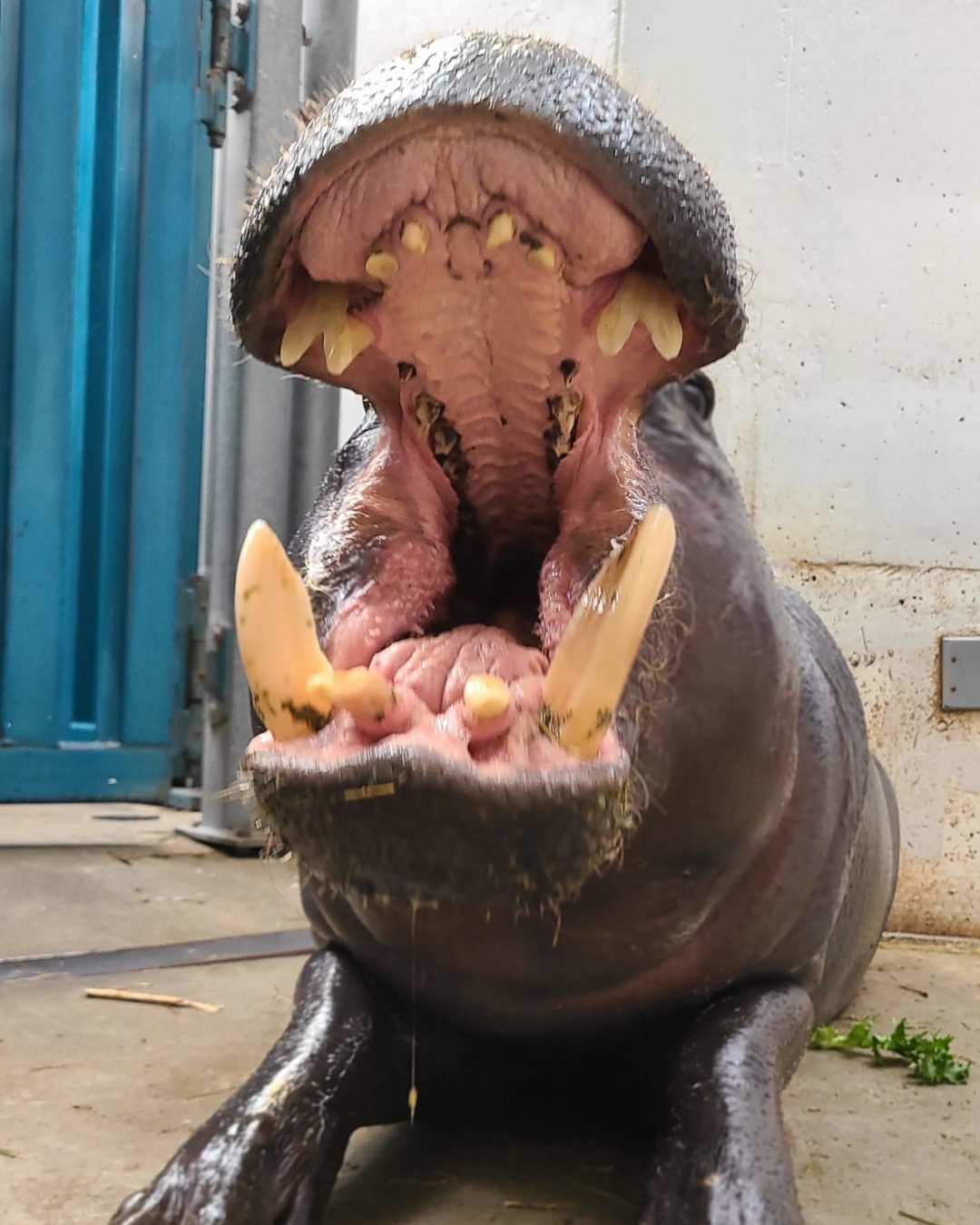
One of the more noticeable differences lies in their teeth. Common hippos possess two to three pairs of incisors that are adapted for grazing and fighting, while pygmy hippos have only one pair of incisors. These teeth are essential for their specialized feeding on a diet that primarily consists of leaves and fruits in their forest habitat. Understanding these physical distinctions is critical for discerning between the two species.
Another significant difference is in their skeletal structure. Pygmy hippos have a more flexible spine, which seems counterintuitive given their size. This flexibility aids in their ability to navigate through forest underbrush. Moreover, pygmy hippos exhibit a more refined skull structure, allowing for unique jaw mechanics essential for their feeding habits. These physical traits contribute to their adaptability in a different habitat compared to the semi-aquatic lifestyle of common hippos.
Diet and Habitat Preferences
Pygmy hippos favor dense, forested areas often near rivers or swamps, allowing them to remain hidden from potential predators. Their diet primarily consists of a variety of plants, with a penchant for fruit and leafy vegetation. Pygmy hippos are known to be selective feeders; they often forage at night to minimize competition and avoid the heat of the day. This nocturnal behavior not only assists in their survival but also plays a crucial role in their ecology by promoting seed dispersal in their habitats.
In contrast, common hippos are primarily herbivorous grazers that thrive in grasslands near water bodies. Their extensive mouths enable them to consume large quantities of grasses at night. This fundamental difference in diet is largely influenced by their habitat preferences, further illustrating the diverse ecological niches occupied by hippos despite their superficial similarities.
Social Behavior and Conservation Status
Pygmy hippos are generally solitary or found in small groups, often consisting of a mother and her offspring. In contrast, common hippos live in larger social units known as pods. Being less sociable allows pygmy hippos to better adapt to more secluded environments, where food resources are distributed unevenly. Their social structure is essential to consider when discussing their conservation.
The current conservation status of the pygmy hippo is alarming. Habitat loss from deforestation and human encroachment poses significant threats to their survival. The International Union for Conservation of Nature (IUCN) categorizes them as endangered, with current population estimates suggesting fewer than 3,000 individuals remain in the wild. Anti-poaching measures, habitat protection, and community engagement are strategies needed to reverse their decline.
The Role of Zoos in Pygmy Hippo Conservation
Zoos play an integral part in the conservation of pygmy hippos. Through breeding programs, zoos can support the genetic diversity necessary for their survival, both in captivity and in the wild. Educating the public about their needs and plight fosters a better understanding of conservation efforts. Engaging communities in West Africa, where pygmy hippos reside, is a significant component of successful conservation.
Moreover, research conducted in zoos contributes valuable data regarding the behavior, health, and reproduction of pygmy hippos. This knowledge assists in developing targeted conservation strategies that consider the species’ unique needs. Collaboration between conservation organizations, governments, and local communities is necessary to help protect the pygmy hippo’s remaining habitats while raising awareness about their plight.
Understanding the differences between pygmy hippos and common hippos informs effective conservation approaches. Each species contributes to their ecosystem in unique ways. Pygmy hippos, in particular, serve as key seed dispersers and ecosystem engineers. This ecological role highlights their importance beyond just being a species in need of protection.
Every effort to conserve pygmy hippos is a step toward maintaining biodiversity and ecological balance. Engaging the public, supporting conservation initiatives, and conducting ongoing research will be vital in ensuring a future for this threatened species. The fight to protect pygmy hippos is not just about saving a species; it is about preserving an entire ecosystem that relies on their existence. Each pygmy hippo is a critical part of a complex web of life that needs to be safeguarded for generations to come.
*****
Source Description
Open wide 🦷
Although pygmy hippos may look like a smaller version of the common hippo, they are a different genus and species!
Aside from the obvious size difference, one way to distinguish them is their teeth! Common hippos have two or three pairs of incisors, while pygmy hippos only have one, as shown in this training session.
📸 Cassy K
