
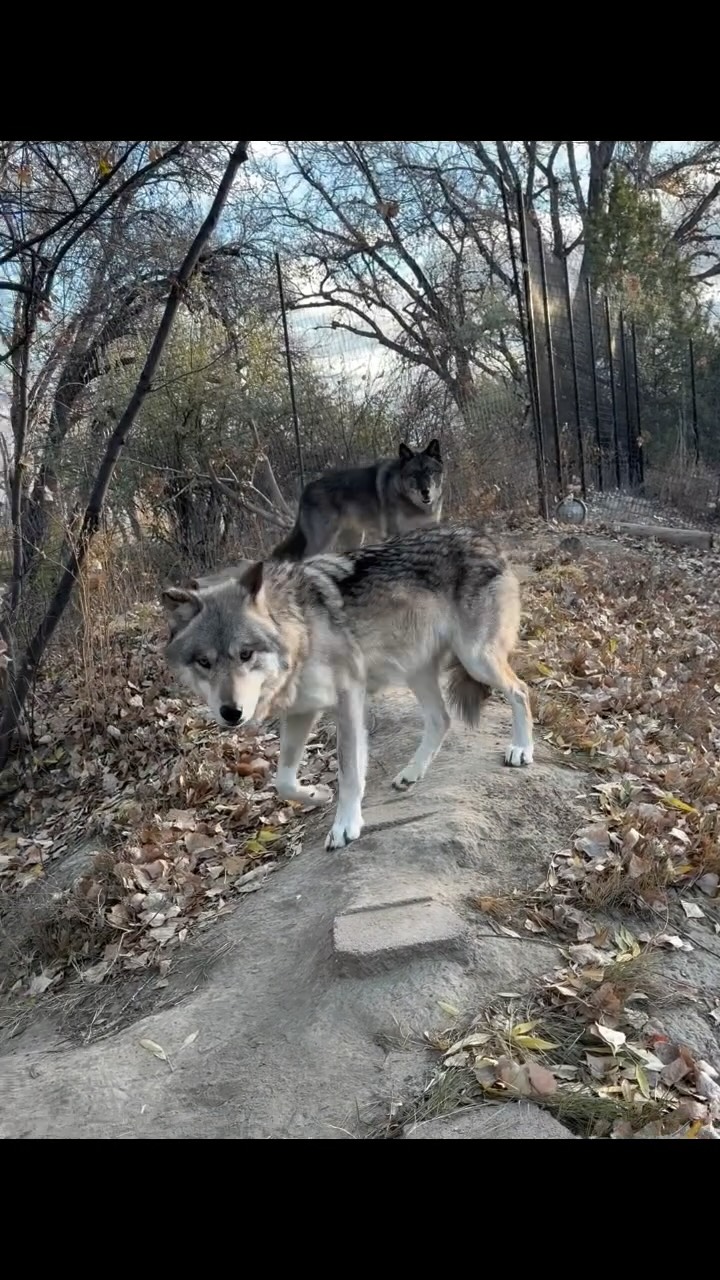
- The role of wolf reintroduction in wildlife conservation.
- Insights into the behavior and social dynamics of wolves.
- Brothers Thor and Onyx and their journey of reintegration.
- The importance of habitat management in wolf restoration.
- Volunteer contributions and community involvement in conservation efforts.
Wolf reintroduction plays a crucial role in wildlife conservation by restoring ecosystems and maintaining biodiversity. This process involves the careful reintroduction of wolves into their native habitats, which can lead to significant ecological benefits. Wolves are apex predators, crucial in controlling the populations of their prey, which in turn maintains the balance of the entire ecosystem. Their presence can lead to positive changes in vegetation and an increase in biodiversity.
Thor and Onyx, two wolf brothers, serve as a remarkable example of successful reintroduction. Their integration into a shared habitat highlights the complex social structures and behavioral patterns that wolves exhibit. The reintroduction of these brothers was a planned effort aimed at understanding wolf dynamics in confined habitats and their interactions with each other and the environment.
To achieve a successful reintroduction, zoo management and wildlife conservation teams collaborate to create environments that mimic natural habitats as closely as possible. This involves taking into account various factors such as space, food supply, and the presence of other species. Thor and Onyx’s habitat is designed to reflect these considerations, allowing them to display natural behaviors and social structures.
Understanding wolf behavior is essential to their reintroduction. Wolves are social animals that rely heavily on pack structure for survival. Observing Thor and Onyx interacting provides insights into hierarchy, communication, and bonding among wolves. Their behavior offers invaluable data for researchers studying wolf dynamics, informing future conservation strategies.
Volunteer contributions have been instrumental in this endeavor. Volunteers, like Amanda, who shared the video of Thor and Onyx, play a vital role in raising awareness and supporting conservation efforts. Community involvement enhances the visibility of reintroduction projects and can generate support for wildlife conservation programs.
Thor and Onyx have become ambassadors for wolf conservation. Their journey from reintroduction to sharing a habitat reflects the dedication and expertise required to manage and maintain healthy wolf populations. Documenting their progress not only educates the public but also inspires further interest in conservation.
Managing a habitat for wolves involves addressing challenges such as ensuring adequate space and resources. It requires ongoing monitoring and adjustment to meet the needs of the animals. Habitat management is vital to maintaining a balance between the wolves and their environment, promoting their health and well-being.
The success of such projects depends on collaboration between conservationists, researchers, and the community. Educating the public about the significance of wolves in ecosystems encourages support for future conservation initiatives. Ensuring the success of wolf reintroductions helps preserve biodiversity and stabilize ecosystems.
In conclusion, the reintroduction of wolves like Thor and Onyx is a significant milestone in wildlife conservation. Their story illustrates the powerful impact of collaborative efforts between scientists, volunteers, and the community. By focusing on scientific insights and community engagement, wolf reintroduction projects can continue to make meaningful contributions to ecological preservation.
*****
Source Description
How wolf introductions are going:
What can we say? They’re brothers🤣 Thor and Onyx have officially been reintroduced and are sharing a habitat full time!
📸Thank you Volunteer Amanda for this video!
